
A sheet metal profile bending machine should be evaluated through the parts a shop needs to deliver. Architectural trim is often long, visible, and finish-sensitive. If the production process creates inconsistent flanges or extra handling marks, the problem shows up later during installation.
ARTITECT MACHINERY focuses on double folder and automatic folding solutions. The company highlights functions such as graphic control, dynamic folding, CNC material thickness adjustment, backgauge and gripper systems, sheet support, side loading, and part flipping on its automatic folding machine function guide. Those features connect directly to the daily work of roofing and architectural sheet metal shops.
Profile Work Needs More Than Bend Accuracy

Bend accuracy matters, but architectural profile work also depends on repeat sequence, stable support, and clean handling. A long facade trim can be accurate at one end and still look poor if it twists. A coping cap can meet its dimensions but create job-site delays if parts vary from piece to piece.
Profiles Worth Testing
- Long roof-edge fascia with several bends.
- Parapet caps with return flanges.
- Wall cladding trim around panel joints and corners.
- Gutter and drainage profiles using coated material.
- Custom profiles that repeat across a project package.
Up and Down Folding for Shape Variety

Many architectural profiles include bends in different directions. A workflow that supports up and down folding can reduce manual rotations. That is useful when the blank is long, when the finish is sensitive, or when a shop wants one operator to manage more of the sequence.
RAS also emphasizes the value of up/down bending for reducing part turning in complex folding work. The practical lesson is simple: less repositioning usually means less strain, fewer surface risks, and more consistent production rhythm.
What a Practical Evaluation Looks Like
When comparing systems, use drawings from real jobs. One easy sample does not reveal whether the workflow can handle daily profile work. Ask operators to run the same profile several times and compare finished parts.
- Check flange width from part to part.
- Inspect the visible surface for handling marks.
- Watch whether the operator can follow the bend sequence clearly.
- Confirm that long parts stay supported through the process.
- See whether common profiles can be stored for repeat work.
A Better Conversation with ARTITECT
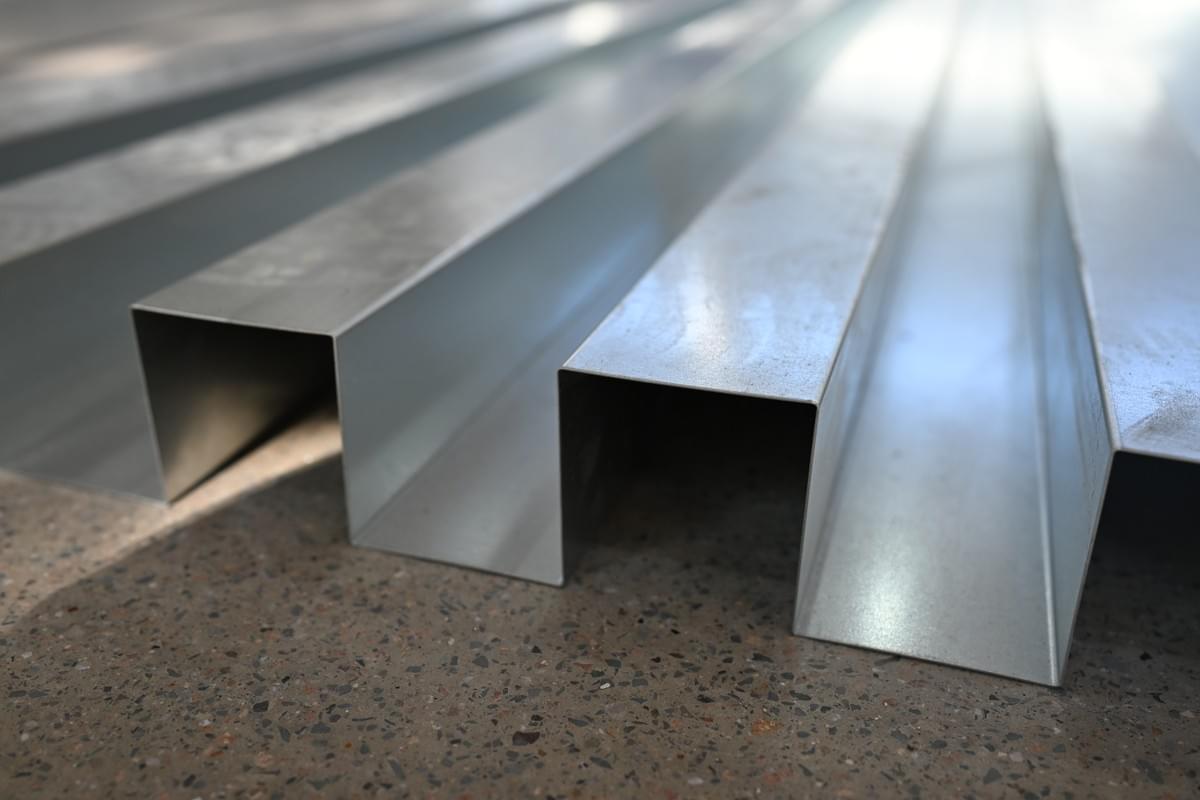
ARTITECT's double folder positioning is most useful when the discussion starts with profiles, not a generic machine category. Shops can send drawings, material thicknesses, finish requirements, blank lengths, production quantities, and installation issues through the ARTITECT project consultation form.
That gives ARTITECT a clearer view of whether automatic support, gripper control, part flipping, or stored programs matter most for the shop's work.
Conclusion
The right sheet metal profile bending machine helps turn architectural drawings into consistent, installable parts. For roof and facade shops, the best choice is the workflow that protects finished surfaces, supports long profiles, and repeats the details installers depend on.