
A long folding machine becomes important when a shop's work depends on straight, repeatable profiles over longer lengths. Roof-edge fascia, parapet coping, rake trim, and cladding details all need clean geometry from end to end. A small handling issue can become very visible when the profile runs across a building elevation.
ARTITECT MACHINERY presents itself as a double folder factory. Its automatic folding functions include dynamic folding, CNC thickness adjustment, backgauge and gripper systems, graphic control, automatic sheet support, side loading, and part flipping. For long profile work, support and repeat positioning are central to the buying conversation.
Long Parts Magnify Small Problems
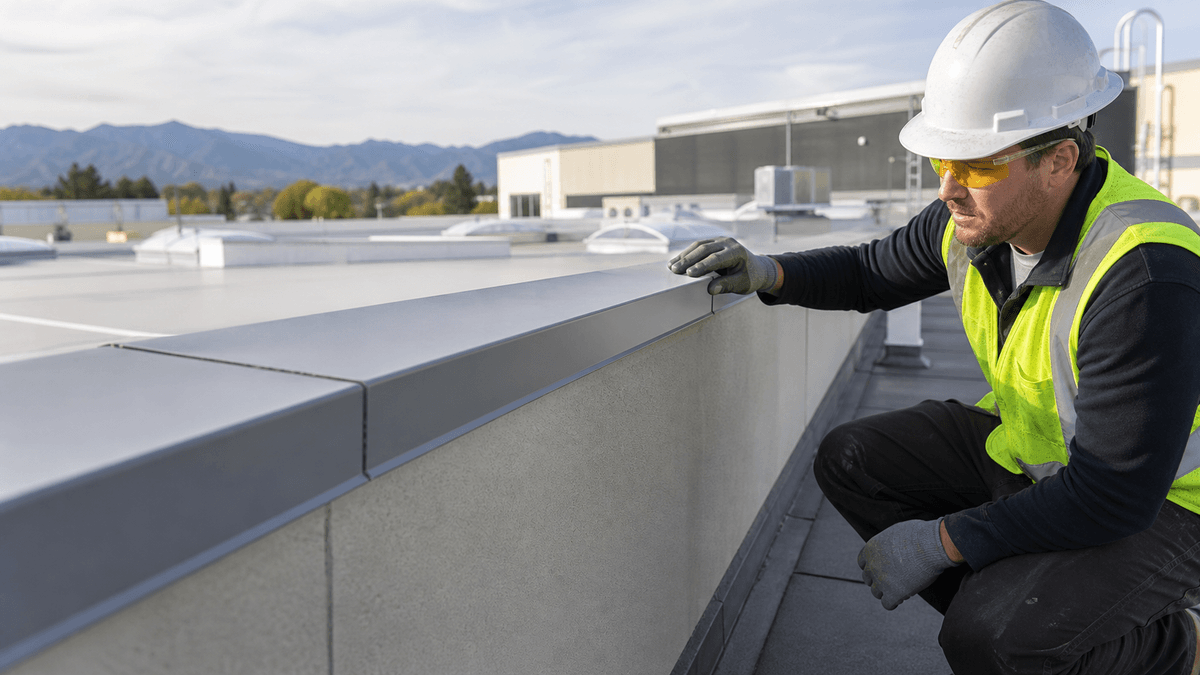
Short samples can make almost any process look simple. Long blanks behave differently. They flex, they require more room, and they are easier to mark or twist. If the operator has to fight the part, production slows and quality becomes less predictable.
That is why long folding work should be judged by the whole movement of the blank, not only the final bend angle. The shop needs stable support, clear sequence control, and a way to repeat dimensions across a project.
Typical Long Profile Applications
- Commercial roof-edge fascia and drip trim.
- Parapet coping caps and cap flashing.
- Long wall cladding trim and reveal profiles.
- Gutter sections and drainage-related parts.
- Custom architectural profiles made in repeat sets.
Support Is a Quality Feature
Support is sometimes treated as a convenience, but for long coated profiles it is a quality feature. Better support can reduce sagging, surface contact, and operator strain. It also helps maintain a more consistent production rhythm when multiple long parts are made in sequence.
NIOSH guidance on manual material handling supports the broader principle: reducing difficult handling can improve both worker comfort and operational consistency. In architectural sheet metal work, that translates into fewer awkward lifts and more controlled movement of visible parts.
How to Evaluate a Long Folding Workflow
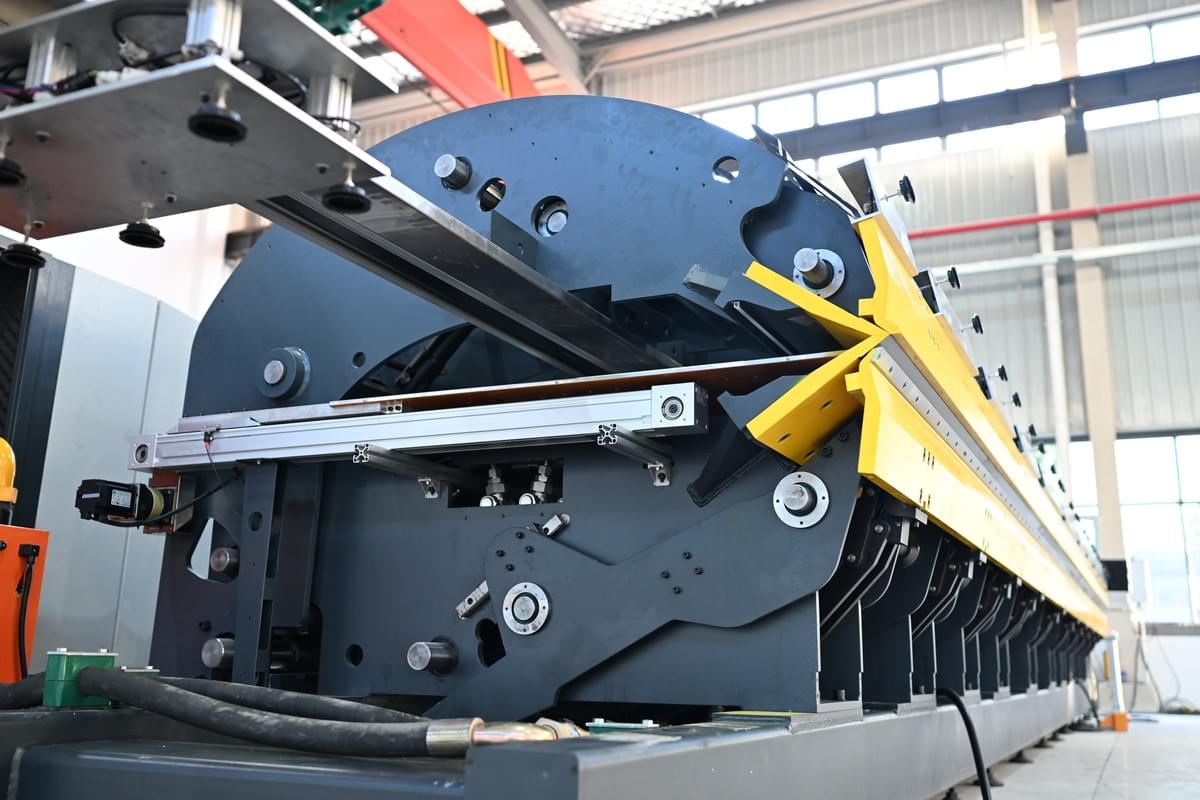
Ask to run a real profile at full or near-full length. If your shop makes 12-foot or longer trim, a short sample will not reveal the same issues. Watch the operator, the part, and the finished profile.
- Does the blank remain stable before and after each bend?
- Can one operator manage the sequence safely and consistently?
- Are coated surfaces protected during loading and unloading?
- Do repeated parts match across the full length?
- Can the same program be recalled for future project runs?
Discussing Long Profiles with ARTITECT
For a useful discussion with ARTITECT, provide the longest profile length, typical material thickness, finish type, bend sequence, and photos of current handling pain points. The ARTITECT project consultation form is the practical starting point.
The goal is to match double folder functions to the way your shop actually makes long architectural parts, especially when roof and facade projects require repeatable visible lines.
Conclusion
A long folding machine should help a shop make long profiles without turning every part into a handling challenge. For roofing and cladding work, the strongest results come from stable support, repeat positioning, clean surface handling, and a workflow that installers can trust when parts reach the job site.