
A gutter folding machine is judged by more than the shape it can form. Gutter and roof drainage profiles need straight runs, clean corners, consistent flanges, and careful surface handling. When those parts are long, coated, and repeated across a project, workflow becomes just as important as bend capacity.
ARTITECT MACHINERY describes itself as a double folder factory. Its automatic folding functions include backgauge systems, material grippers, dynamic folding, CNC thickness adjustment, automatic support, side loading, and part flipping. Those functions are especially relevant when a shop produces box gutters, drip edges, fascia returns, and related drainage details.
Why Gutters Are Not Simple Parts
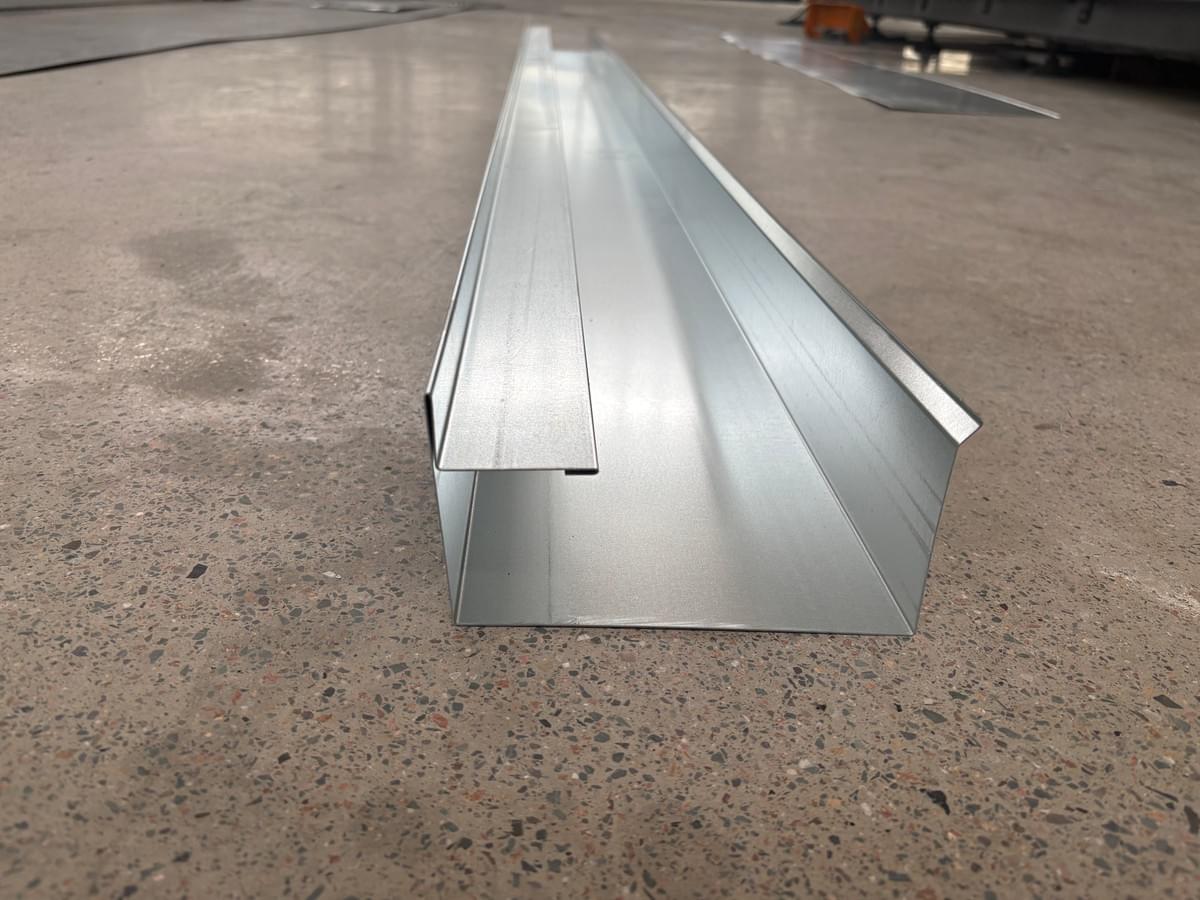
A gutter profile may look straightforward on paper, but production can be demanding. Long blanks are flexible. Coated surfaces can be marked. Multiple bends must line up so the part drains correctly and connects cleanly with roof trim or downspout details. If the sequence forces repeated manual flipping, the risk of twist and scratches increases.
Profiles Often Made in the Same Workflow
- Box gutters and internal gutter profiles.
- Eaves gutters for commercial and residential roofing.
- Drip edge, starter trim, and fascia-related profiles.
- Downspout transition pieces and drainage accessories.
- Custom roof-edge parts made from the same coated sheet stock.
Handling Long Coated Blanks
Roof drainage work often uses prefinished metal, which means the visible surface must be protected from the first bend through delivery. Automatic support can help keep the blank stable. Side loading and sheet support can reduce awkward lifting. Up and down folding can reduce the need to rotate the part when bend directions change.
For shops that run gutter work daily, the goal is not only faster folding. It is a calmer process with less wrestling, fewer surface marks, and more predictable parts for installers.
What to Test Before Choosing a System
A good trial should include real gutter profiles, not just short sample strips. Bring a long blank, a coated material, a profile with multiple bends, and a repeat job from a recent project. Watch how the part is positioned and supported at every step.
- Does the profile stay straight through the full bend sequence?
- Can the operator avoid unnecessary flipping?
- Are flange dimensions repeatable across multiple parts?
- Is the finished surface protected during loading and unloading?
- Can stored programs help repeat common gutter styles?
From Drainage Detail to Finished Roof Line
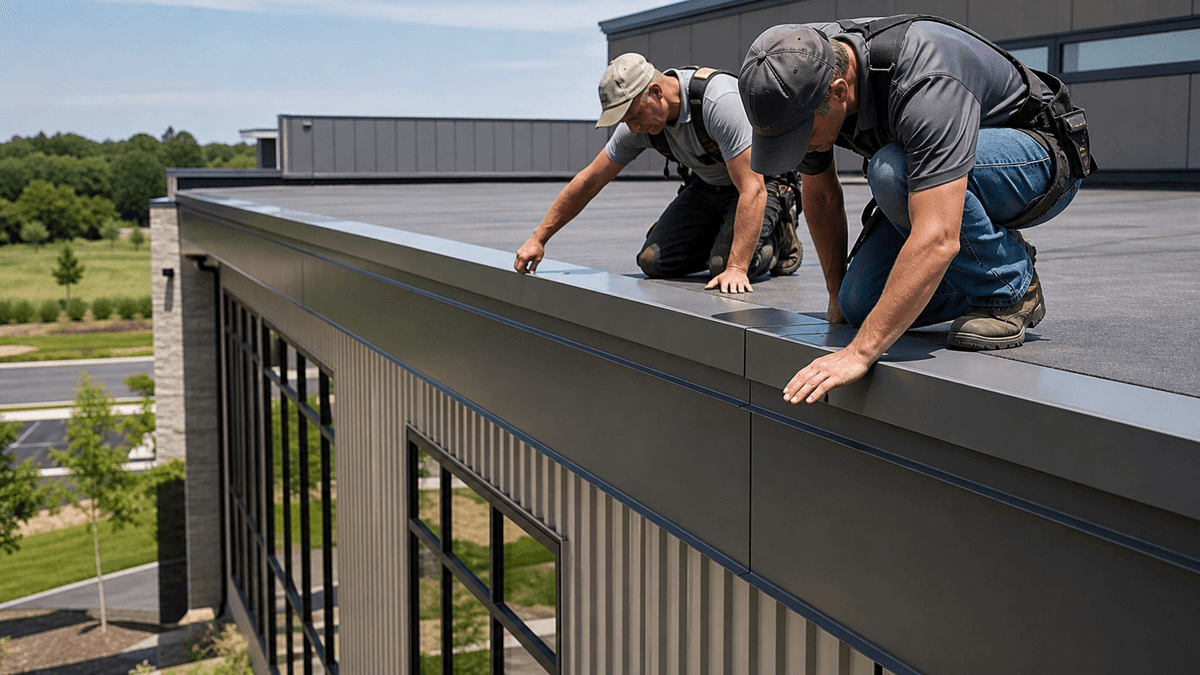
Gutters are functional parts, but they are also part of the building's visible edge. A poorly aligned profile can affect both drainage and appearance. That is why a double folder workflow should be evaluated against finished roof lines, not only production speed.
Shops can send ARTITECT drawings, blank lengths, material types, finish requirements, and photos of typical gutter details through the ARTITECT project consultation form. The most useful conversation starts with the parts that have caused handling or fit problems in the past.
Conclusion
A gutter folding machine should help a roofing shop produce straight, clean drainage profiles that install without surprises. For long coated parts, support, repeatability, and controlled handling are the details that turn folding capacity into dependable job-site results.