
A metal bending machine can be many things, but roofing and architectural sheet metal shops need a specific kind of production support. They are not only bending small parts. They are forming long visible profiles, changing materials, repeating dimensions across project runs, and trying to reduce the manual handling that slows operators down.
This is where a double folder can become the better machine class to evaluate. ARTITECT MACHINERY presents itself as a double folder factory, and its Functions page describes an automatic folding machine for roofers and contractors. The listed functions focus on the practical work around bending: synchronized motion, dynamic folding, CNC thickness adjustment, backgauge and gripper control, graphic programming, sheet support, side loading, and part flipping.
The Machine Must Match the Part Family
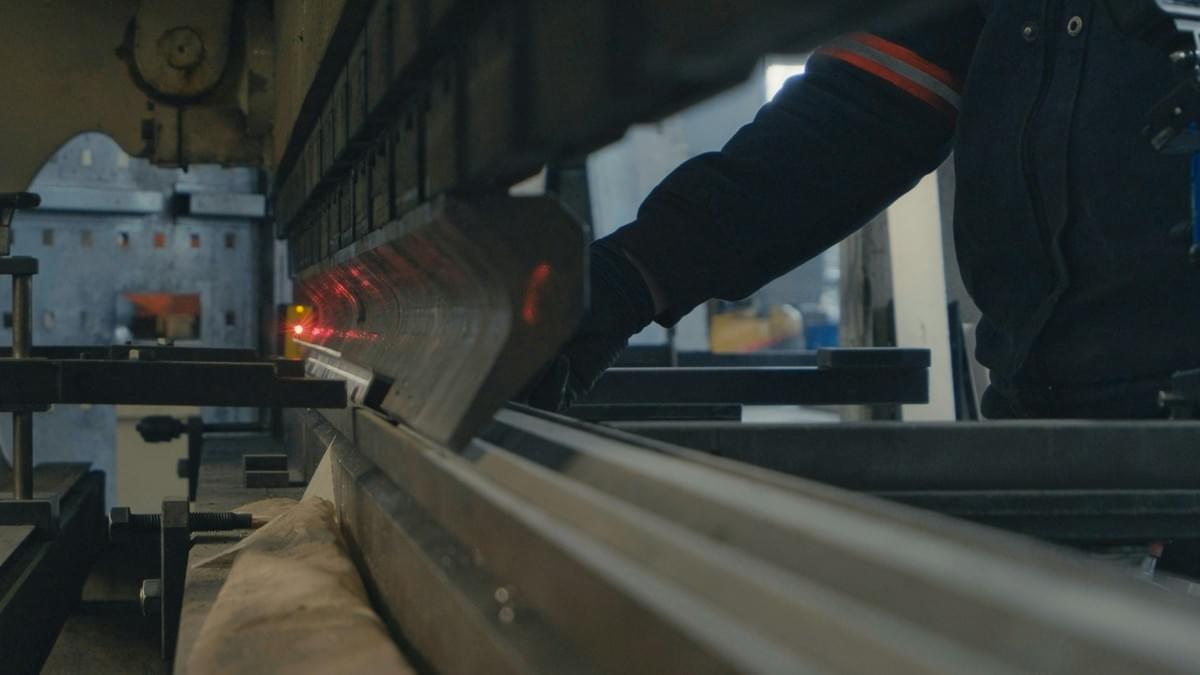
Before comparing equipment, buyers should define the part families that matter most. A shop that mainly produces short utility parts may not need the same machine as a shop that produces roofing trim, fascia, cladding details, parapet caps, and custom architectural profiles. The more the work depends on long blanks and visible surfaces, the more important handling and repeatability become.
A metal bending machine should therefore be tested against real parts. The buyer should bring drawings, blank sizes, material thicknesses, and finished profile examples. The goal is to find out how the machine handles the actual sequence, not how it performs on a simplified sample.
Long Profiles Create the Buying Pressure
Long profiles expose weaknesses in the production process. They need stable support. They are harder to rotate. They can shift out of square. Coated surfaces can scratch during unnecessary handling. Once a long part has several bends, it can become awkward to move safely and accurately.
ARTITECT's automatic sheet support and loading functions are relevant because they address this daily problem. NIOSH guidance on manual material handling notes that reducing physical demands can support productivity and quality. In roofing and facade work, support systems are not just comfort features. They can improve consistency and help the operator keep a steady production rhythm.
Bend Direction Can Decide the Machine Class

Many profiles need bends in both directions. If a machine requires manual flipping between those bends, the workflow can become slow and risky. RAS describes up and down bending as a way to avoid material flipping when bend direction changes. That principle is one of the biggest reasons buyers should compare double folders for roofing and architectural work.
Fewer flips can mean less effort, fewer handling marks, and better repeatability. It can also make production easier to train because the machine sequence carries more of the work. The operator still needs skill, but the process becomes more structured.
CNC Control Should Reduce Operator Uncertainty
Modern metal bending machines often include CNC control, but not all CNC workflows are equally helpful. ARTITECT describes graphic control EFsys with touch-screen profile programming, automatic folding sequence, and collision simulation. Those functions help operators understand the sequence before bending begins.
This matters when jobs are varied. A roofing or architectural shop may switch between profiles several times per day. Saved programs and clear visual guidance can reduce setup time, reduce first-part mistakes, and make repeat jobs more dependable. The control should help the operator think through the part, not simply store numbers.
Material Thickness Adjustment Protects Consistency
Different materials require different machine behavior. Aluminum, coated steel, copper, zinc, and stainless steel may all appear in architectural production. Thickness affects clamping, tool clearance, bend quality, and springback. ARTITECT lists CNC material thickness adjustment, and Jorns also describes automatic material thickness adjustment on its double bending machine.
A buyer should ask how the machine handles material changes. If every change depends on informal adjustment, repeatability may suffer. A better system makes thickness part of the controlled setup so operators can move between jobs with less uncertainty.
Backgauge and Gripper Accuracy Shape the Finished Profile
The backgauge turns the program into a physical bend location. ARTITECT lists backgauge and material gripper functions, as well as a tapered backgauge unit. These functions can matter greatly when profiles include offsets, tapered shapes, varied flange depths, or repeated dimensions that must match across a project.
During a demonstration, the buyer should watch how the blank is positioned. Does the operator have to visually correct placement? Does the gauge handle small and large dimensions? Does the gripper maintain control as the blank changes shape? These observations reveal whether the machine will support real production or merely meet a specification line.
Safety Should Be Integrated into the Workflow
Metal bending equipment includes moving beams, clamps, gauges, and long workpieces. OSHA's machine guarding guidance emphasizes safeguarding machine parts and processes that may injure workers. Buyers should evaluate guarding, emergency stops, operator access, safe loading routines, and training expectations.
Safety is also part of consistency. A clear, guarded, predictable process helps operators avoid shortcuts. When a shop is busy, the machine should guide safe production instead of forcing operators to improvise around awkward material movement.
Buying Questions That Clarify Fit
A practical buying conversation should answer questions tied to the shop's real work. These questions help prevent a broad machine search from turning into a weak purchase decision:
- Which profile families create the most production time today?
- Which parts require bends in opposite directions?
- How often are long coated blanks handled by two people?
- What materials and thicknesses are used most often?
- How are repeat programs stored, recalled, and checked?
- What support devices reduce lifting, dragging, and twisting?
- How does the machine protect operators during long-part work?
Plan for the Next Level of Work
A metal bending machine should support the shop's near future, not only its current easiest jobs. Many shops begin with simpler trim work and later move into more demanding roofing packages, facade details, or architectural profiles with tighter appearance requirements. If the machine is already near its workflow limit on today's jobs, it may restrict the shop's ability to accept better work later.
Buyers should identify which jobs they want to win in the next two to three years. If those jobs involve longer profiles, more material variety, more visible finishes, or more repeat production, then the machine should be evaluated against that future workload. Double folder capability, stronger CNC guidance, and better support systems can create room for growth.
Where ARTITECT MACHINERY Fits
ARTITECT MACHINERY fits buyers who need a metal bending machine conversation centered on double folder workflow. Its About Us page describes an automatic folding machine shaped by production and architectural design experience. That is relevant when the buyer's work depends on both shop productivity and finished profile appearance.
Buyers can start with the contact page and share representative profiles, working lengths, material data, current handling problems, and production goals. The more specific the inquiry, the easier it is to judge whether a double folder is the right fit.
Conclusion
A metal bending machine should be evaluated through the production problem it solves. For roofing and architectural sheet metal shops, that problem often includes long profiles, visible surfaces, alternating bend directions, material variety, and operator workload. A double folder can be the better fit when it reduces handling and creates a more controlled sequence.
The strongest buying decision begins with real parts, not generic machine labels. When the machine fits the part family, bending becomes more than a single operation. It becomes a repeatable workflow.