
A double folding machine is valuable because it changes the movement around the bend. Instead of treating each bend as an isolated action, the machine helps control the full sequence of a profile. For roofing and architectural sheet metal shops, that can mean fewer manual flips, clearer programming, better support for long parts, and a more repeatable process for visible finished components.
ARTITECT MACHINERY's website places this idea at the center of its positioning. The home page presents the company as a double folder factory focused on automatic folding machine production, and the Functions page describes an ultimate double folder for roofers and contractors. The listed functions include synchronized control drive shaft technology, unique workspace geometry, dynamic folding, CNC thickness adjustment, hydraulics, backgauge and gripper systems, tapered backgauge, graphic control, automatic sheet support, side loading, and part flipping.
What Makes a Double Folding Machine Different
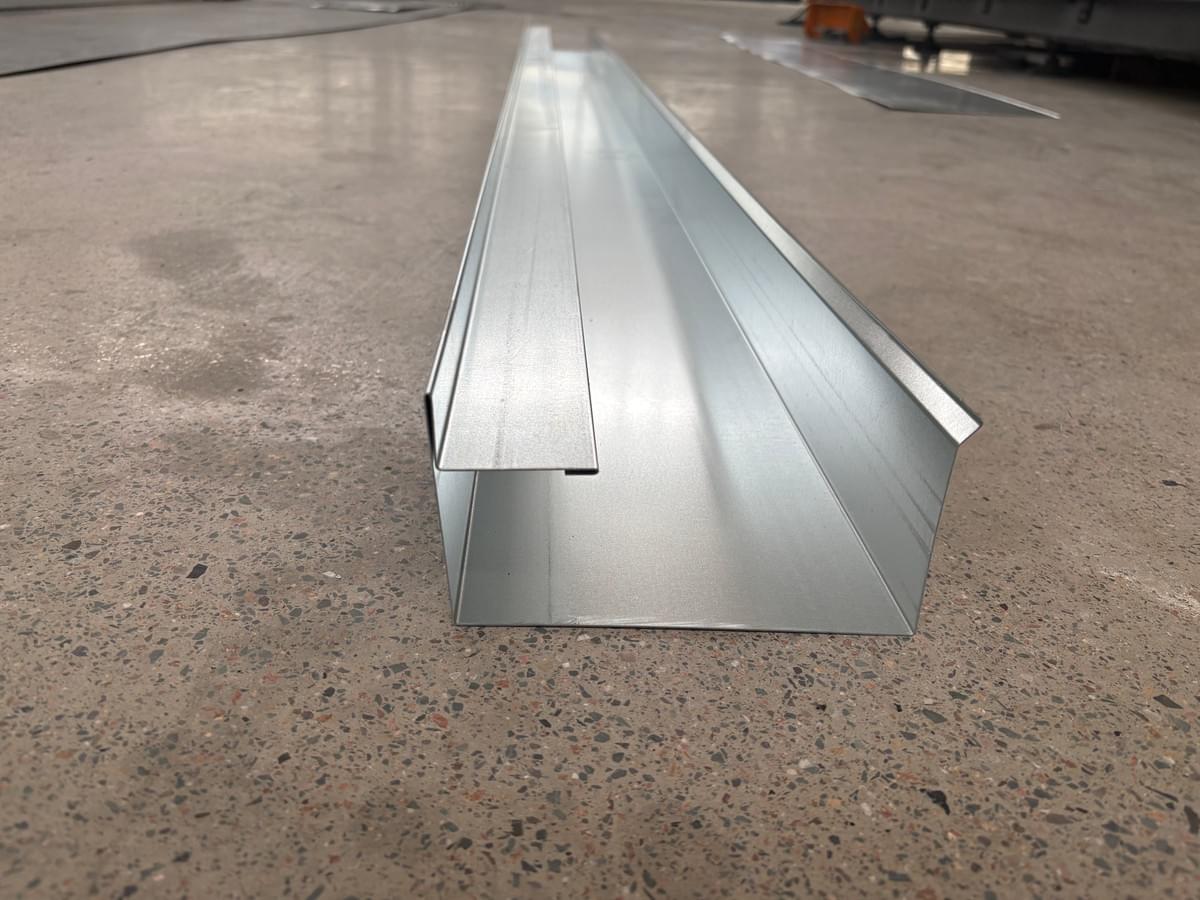
The defining production advantage is the ability to handle bend directions more efficiently. In many sheet metal profiles, some bends need to go one way and other bends need to go the opposite way. A conventional process may force the operator to flip or re-orient the part. A double folder is designed to reduce that extra movement by bringing up and down folding capability into the workflow.
This is not only about speed. It is also about consistency and operator effort. Every manual flip of a long part creates a chance for misalignment, surface damage, fatigue, or lost rhythm. When the machine reduces those steps, the whole job can feel more controlled.
Why Roofing Shops Feel the Difference Quickly
Roofing and architectural sheet metal parts are often long, visible, and varied. A shop may produce fascia, coping, parapet caps, edge trims, standing seam accessories, gutter details, wall panel components, and custom profiles in the same week. Many of those parts are too important to treat as simple bends. They must look right after installation and match across repeated lengths.
That is why a double folding machine can have an immediate production effect. It addresses the parts that usually cause the most friction: profiles with alternating bend directions, long blanks that are hard to rotate, finish-sensitive material, and repeat jobs where consistency matters more than one-time speed.
Up and Down Folding Reduces Non-Value-Added Handling
RAS describes up and down bending as a way to avoid material flipping when bend direction changes, while also supporting automatic folding sequences and short cycle times. That principle captures the core value of the double folder class. The bend itself is only one part of production. The movements between bends often determine whether the job feels efficient or frustrating.
For a roofing shop, fewer handling steps can mean one operator can run parts that previously required help. It can also reduce the chance of bumping a finished flange or dragging a coated surface across a support. When jobs involve long runs, small handling improvements multiply quickly.
Dynamic Folding and Machine Motion
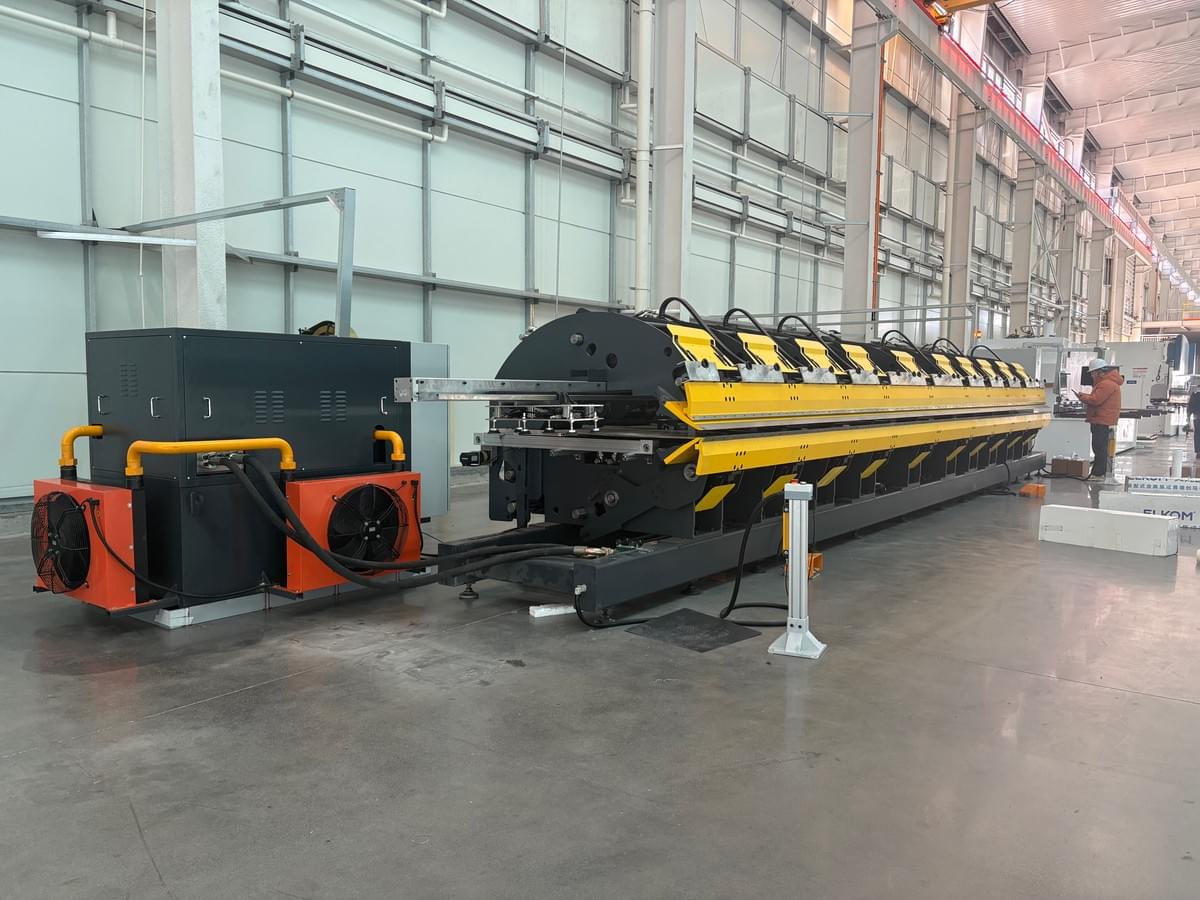
ARTITECT lists dynamic folding as a function that allows multiple machine axes to move at the same time, reducing repositioning and stop times. This is important because the best folding workflow is not just a series of separate commands. It is a coordinated sequence where clamping, folding, positioning, and support work together.
When machine motion is coordinated well, operators spend less time waiting and less time correcting. The process becomes more predictable. A shop that runs many different profiles can benefit from that predictability because the machine helps turn complex work into a repeatable routine.
Backgauge and Gripper Control Shape the Result
A double folding machine must do more than bend in two directions. It also has to position the workpiece accurately. ARTITECT lists backgauge and material gripper functions, including a stated range and small-gauge capability with spring fingers. It also lists a tapered backgauge unit with automatic tapered gauge capability. Those details matter for architectural work where offsets, tapered parts, or varied profile depths may be part of the job.
Accurate gauging reduces the need for operator correction. It also supports repeatability when multiple pieces must match across a roof edge, facade line, or parapet run. A buyer should therefore evaluate how the backgauge and gripper behave on real blanks, not only whether the machine has CNC control.
CNC Control Should Make the Sequence Understandable
ARTITECT's graphic control EFsys is described with touch-screen profile programming, automatic folding sequence, and collision simulation. These functions are important because complex folded profiles need clear instructions. The operator should not have to guess the next move or rely on memory for every rotation, thickness setting, or bend direction.
RAS similarly describes software that can automatically program bending sequences and simulate them in 3D. The broader market lesson is that double folder value increases when the software helps the operator plan, verify, and repeat the job before material is wasted.
Support Systems Protect Long and Visible Parts
Long roofing and facade parts are not forgiving. They sag, twist, and amplify small mistakes. ARTITECT's automatic extendable sheet loading and sheet support, automatic side sheet loading device, and automatic part flipper all speak to this issue. The more the machine supports the part, the less the operator has to manage by force or improvisation.
NIOSH guidance on manual material handling notes that reducing physical demands can support productivity and quality. In folding work, this connects directly to machine support systems. If a support device keeps a long blank controlled through the sequence, it may reduce fatigue while also improving part consistency.
What to Compare Before Buying
A buyer should compare double folding machines through application tests. Use representative profiles rather than generic samples. The machine should be asked to run the kinds of parts that actually slow the shop down.
- Bend-direction changes: How much flipping or re-orientation remains?
- Long-part support: Does the machine control the blank through loading, gauging, and folding?
- Programming clarity: Can operators understand and repeat the sequence easily?
- Thickness adjustment: Does the machine adapt cleanly to different materials?
- Finish protection: Are coated and visible surfaces protected from unnecessary handling?
- Safety approach: Are guarding, access, and operator positions appropriate for the workflow?
Safety Is Part of Production Quality
Double folding machines involve moving beams, clamping areas, support devices, and large workpieces. OSHA's machine guarding overview emphasizes that moving machine parts and hazardous operations must be safeguarded when they can injure workers. Buyers should discuss guarding, operator position, access zones, emergency stops, and training from the start of the buying process.
A safe workflow is also a more stable workflow. When the operator knows where to stand, how the machine will move, and what the next step will be, the process is less dependent on reaction and improvisation. That is important in shops where production pressure can otherwise encourage shortcuts.
Where ARTITECT MACHINERY Fits
ARTITECT MACHINERY is positioned for buyers who see folding as a roofing and architectural production problem, not only a bending problem. Its About Us page describes an automatic folding machine developed with production and architectural design experience. That background is relevant when buyers need machines that support profile freedom, visible quality, and practical shop routines.
Buyers considering a double folding machine should speak with ARTITECT about their actual profile mix. The strongest inquiry includes drawings, material details, working lengths, current bottlenecks, automation goals, and any finish-protection concerns. The contact page is the practical place to start that application conversation.
Conclusion
A double folding machine changes roofing and architectural production by reducing the handling around alternating bend directions. The benefit is not limited to cycle time. It can improve repeatability, reduce operator strain, protect visible surfaces, and make complex profiles easier to run consistently.
The best buying decision starts with the parts that make the current process difficult. If those parts are long, visible, varied, or full of bend-direction changes, a double folder should be near the top of the evaluation list. In that situation, the machine is not just bending metal. It is reshaping the entire workflow around the bend.