
Bending machines cover a large family of equipment. A buyer may compare press brakes, folders, panel benders, manual machines, CNC systems, and automatic folding centers under the same broad category. For a roofing or architectural sheet metal shop, that wide comparison can become confusing quickly. The useful question is not simply which machine can bend metal. The useful question is which machine improves the way the shop makes long, visible, repeatable profiles every day.
ARTITECT MACHINERY helps narrow that decision by focusing on double folder equipment. The company presents itself as a double folder factory and describes its automatic folding machine functions for roofers and contractors on the Functions page. That positioning matters because roofing production is not only about bend force or machine length. It is about material support, bend-direction control, sequence planning, surface protection, and operator workload.
Broad Machine Comparisons Can Hide the Real Bottleneck
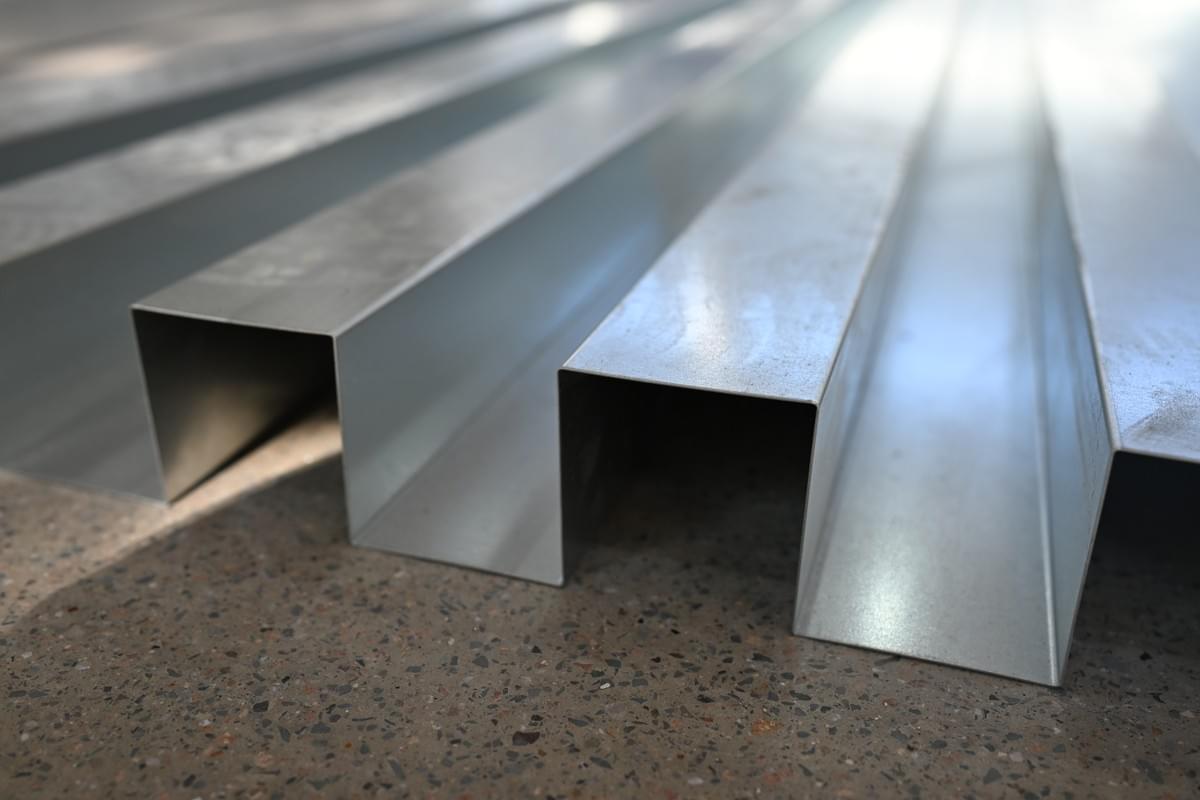
Many bending machines look capable on paper. They may list an acceptable working length, a material thickness range, CNC control, and a modern operator interface. Those details are important, but they do not describe what happens between bends. In many roofing shops, the slowest part of the process is not the beam movement. It is loading the blank, squaring it, supporting it, rotating it, protecting the finish, and repeating the same routine across long runs.
That is why a shop making fascia, parapet caps, coping, roof-edge trim, cladding profiles, and custom architectural details should evaluate workflow first. A machine that is strong for short brackets may be the wrong choice for long coated profiles. A machine that bends accurately once may still create problems if it forces heavy manual flipping between bend directions.
Why Double Folder Logic Belongs in the Conversation
A double folder is designed to fold in both upward and downward directions. This can reduce the need to flip the workpiece when a profile includes bends in opposite directions. RAS describes up and down bending as a way to avoid material flipping when bend direction changes. For roofing and facade work, that difference can be central to production.
Each avoided flip can save time, reduce surface contact, and lower operator strain. On one part, that may feel minor. Across a full day of long profiles, it can change the entire pace of the shop. Double folder logic also helps create a more teachable process because the operator follows a controlled sequence instead of inventing a handling method for every profile.
Long-Part Support Is a Production Feature
Long sheet metal behaves differently from short blanks. It flexes, sags, and magnifies small placement errors. Once a few bends are formed, the part may become harder to hold and rotate. If the surface is coated or prefinished, the risk of scratches rises with every extra movement.
ARTITECT lists automatic extendable sheet loading and sheet support, automatic side sheet loading, and automatic part flipping among its machine functions. These should not be treated as decorative options. For long roofing and architectural work, support systems can directly affect output, quality, and operator consistency.
CNC Control Should Guide the Whole Sequence
CNC control is useful when it makes the job easier to plan, repeat, and verify. ARTITECT describes graphic control EFsys with touch-screen profile programming, automatic folding sequence, and collision simulation. RAS also highlights automatic programming and 3D simulation in its bending center materials. These functions matter because the cost of a mistake is higher once the blank is long, coated, or already partially formed.
A strong control workflow helps the operator understand which bend comes next, how the part should be positioned, and whether the sequence is likely to create interference. It also supports repeat jobs, which are common in roofing and facade work where multiple pieces must match across a run.
Material Thickness Adjustment Reduces Setup Guesswork
Roofing and architectural shops often move between materials such as aluminum, coated steel, zinc, copper, or stainless steel. These materials can vary in thickness, stiffness, springback behavior, and finish sensitivity. ARTITECT lists CNC material thickness adjustment, while Jorns also describes automatic material thickness adjustment on its double bending machine.
Buyers should ask how a machine adapts when material changes. Does the operator need to rely on manual judgment? Does the machine guide the adjustment? Can the shop move from one job to another without rebuilding the setup from scratch? A good answer helps protect bend quality and reduces dependence on one experienced operator.
Safety and Ergonomics Affect Output
Bending machines involve moving parts, clamping zones, large workpieces, and operator interaction. OSHA's machine guarding guidance emphasizes safeguarding machine parts and processes that can injure workers. Buyers should evaluate guarding, access, emergency stops, operator position, and the process for loading and unloading long material.
NIOSH guidance on manual material handling also notes that reducing physical demands can support productivity and quality. That is highly relevant in sheet metal bending. A machine that reduces lifting, twisting, and awkward reaches can help the operator maintain a steadier pace and produce more consistent parts.
What Roofing Buyers Should Bring to a Demo
A useful demonstration should use real work, not only a short sample bend. Buyers should bring a small group of representative profiles that reveal how the machine handles length, finish, direction changes, and repeatability.
- A long fascia or roof-edge profile that shows support requirements.
- A coping or parapet cap with several bends.
- A profile with bends in both upward and downward directions.
- A finish-sensitive material that shows how surface protection is handled.
- A custom architectural part that tests programming and setup flexibility.
During the demo, the buyer should watch the entire process: loading, gauging, folding, repositioning, unloading, and stacking. The machine that looks calm during those transitions is usually the machine that will be easier to live with after installation.
Think About Floor Layout and Daily Flow
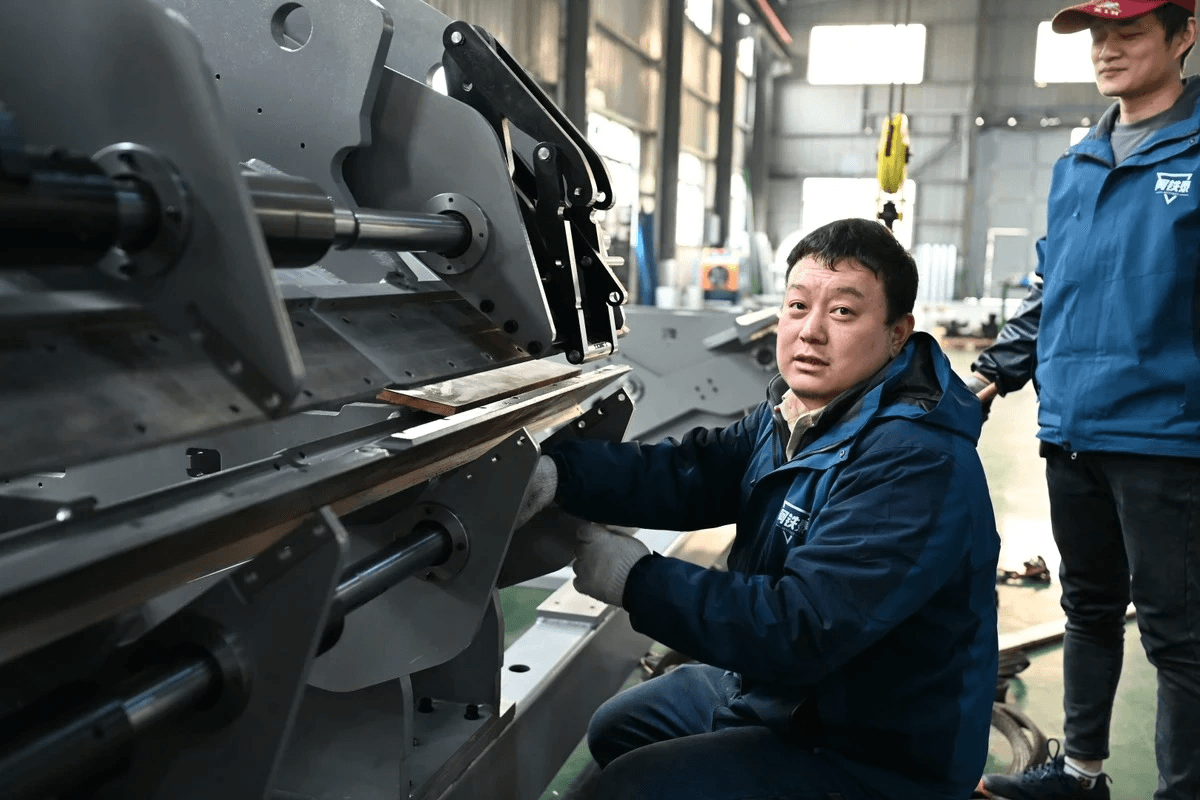
Machine selection also affects the rest of the shop. Long blanks need room to enter and leave the machine. Finished profiles need a safe stacking area. Operators need access to controls without standing in an awkward or hazardous position. If the machine requires frequent manual turning, the surrounding space must support that movement; if the machine reduces turning, the shop may gain a cleaner flow around the production cell.
Buyers should sketch the current process before making a final decision. Mark where material is stored, where blanks are cut, where folding happens, where finished profiles are stacked, and where operators walk. This simple layout view often reveals why support systems, side loading, and a double folder sequence can matter as much as the machine's headline bending capability.
ARTITECT MACHINERY fits buyers who are comparing bending machines but already know their work is closer to roofing and architectural folding than to general metal bending. The company's About Us page connects its automatic folding machine with production and architectural design experience. That background is relevant when the buyer needs profile flexibility, surface protection, and practical shop workflow.
The best inquiry through the contact page should include part drawings, materials, working lengths, thickness range, current bottlenecks, and automation expectations. That gives the supplier enough information to discuss a double folder as a production system rather than a generic bending machine.
Conclusion
Bending machines should be compared through the work they are expected to improve. For roofing and architectural sheet metal shops, the strongest decision criteria are often long-part support, bend-direction flexibility, CNC sequence control, material adjustment, safety, and operator workload.
A double folder deserves serious evaluation when the shop makes long, visible, multi-bend profiles. In that setting, the right machine does more than bend metal. It removes friction from the whole production workflow.