
An automatic sheet metal folding machine should do more than move a folding beam with less manual effort. For roofing and architectural fabrication, automation should improve the entire path from flat blank to finished profile. That includes loading, gauging, bend sequencing, thickness adjustment, support, finish protection, and unloading.
ARTITECT MACHINERY positions its equipment around this workflow. The company describes itself as a double folder factory, and its Functions page presents an automatic folding machine for roofers and contractors. The feature list includes synchronized drive shafts, dynamic folding, CNC material thickness adjustment, backgauge and gripper control, graphic control, automatic sheet loading, side loading, and automatic part flipping.
Automation Should Remove Production Friction
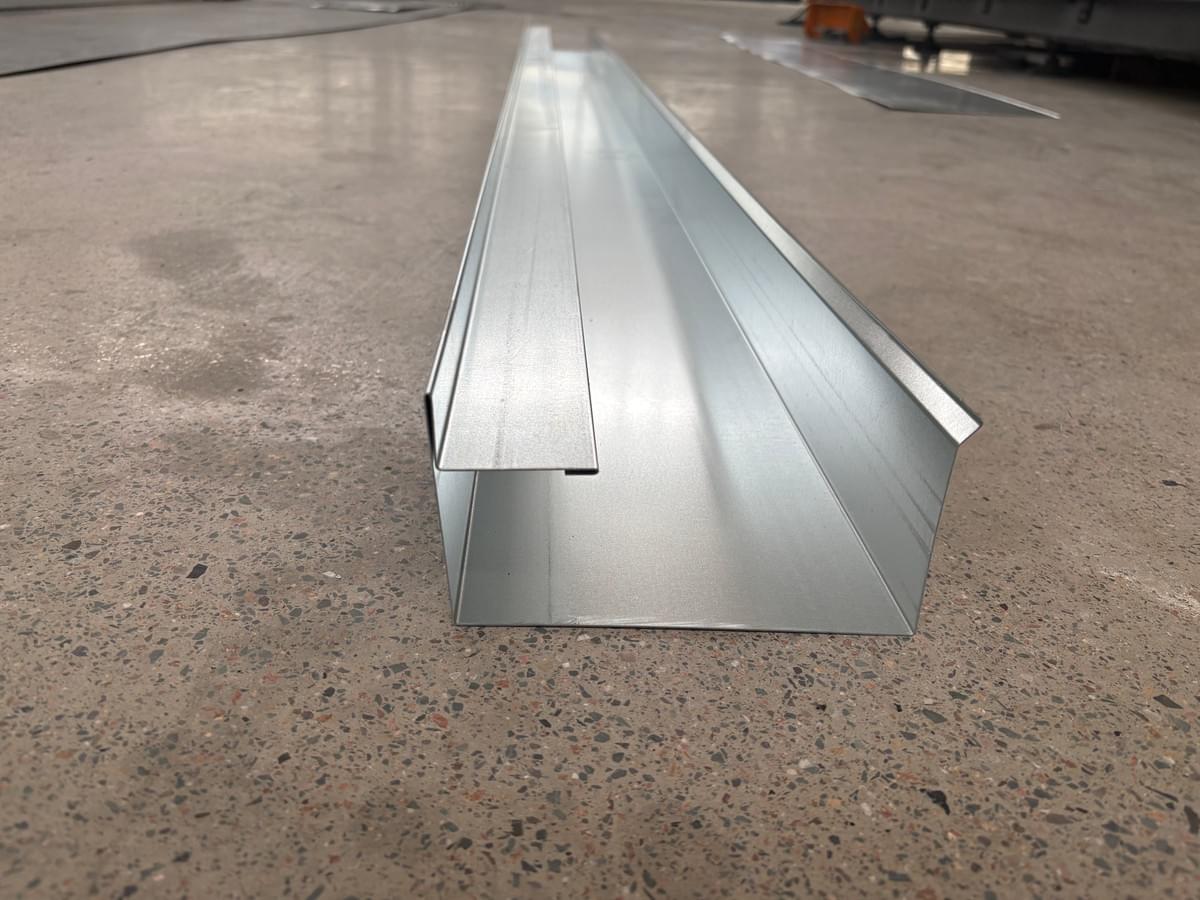
Some buyers think of automation only as higher speed. Speed matters, but the more useful question is what the machine removes from the operator's day. Does it reduce lifting? Does it reduce flipping? Does it make programming clearer? Does it support long blanks? Does it keep finished surfaces from being dragged or bumped?
A roofing shop may lose more time between bends than during the bend itself. Automation creates value when it reduces those in-between moments. A better folding machine does not simply bend faster. It makes the whole profile sequence easier to run.
Double Folder Automation Supports Bend Direction Changes
Many roofing profiles include bends in both directions. A conventional process may require the operator to flip the material between steps. RAS describes up and down bending as a way to avoid material flipping when bend direction changes. This is where double folder automation becomes especially useful.
Fewer manual flips can reduce strain, lower surface damage risk, and improve repeatability. For long fascia, coping, parapet caps, cladding trim, and custom architectural parts, that can be a meaningful production improvement.
Loading and Support Are Core Automation Features
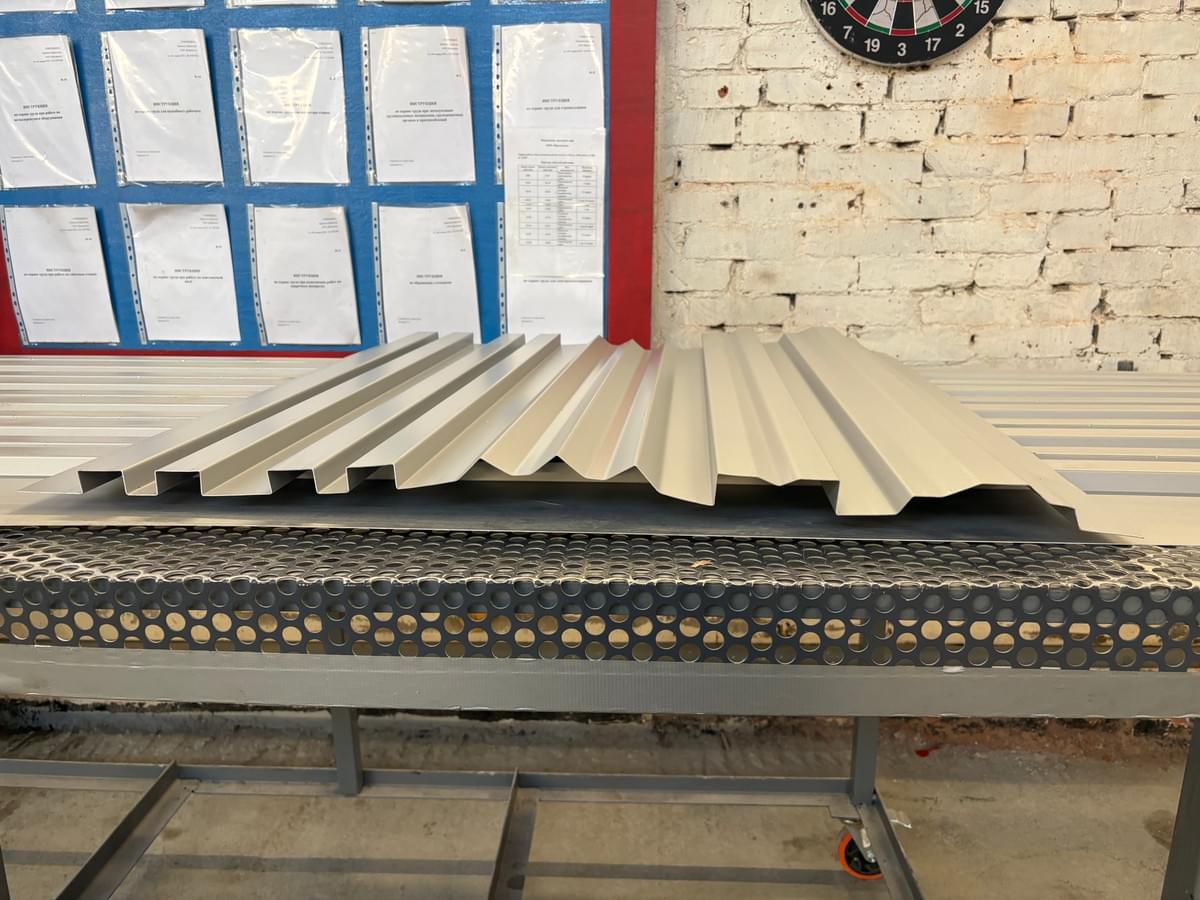
ARTITECT lists automatic extendable sheet loading and sheet support, including programmable extension. It also lists automatic side sheet loading and automatic part flipping. These functions matter because long blanks are often the hardest part of roofing sheet metal production.
NIOSH guidance on manual material handling notes that reducing physical demands can support productivity and quality. When a machine supports long blanks more effectively, operators can focus on the sequence instead of holding the part in place. That can reduce fatigue and help keep production consistent across the day.
Backgauge and Gripper Automation Improve Repeatability
A profile is only repeatable if the blank is positioned consistently. ARTITECT lists backgauge and material gripper functions, plus tapered backgauge capability. These functions help the machine control where the sheet sits before each bend.
For roofing and architectural shops, repeatability is not optional. Several pieces may need to match across a roof edge, wall line, or parapet run. A strong gauge and gripper process reduces dependence on operator correction and supports more predictable production.
CNC Control Should Guide the Operator
ARTITECT's graphic control EFsys includes touch-screen profile programming, automatic folding sequence, and collision simulation. This kind of control helps the operator plan a profile before bending and follow a clear sequence during production.
RAS also highlights automatic programming and 3D simulation in its bending center materials. These functions are useful because automatic folding still requires human judgment. The control should make that judgment easier, not bury the operator in unclear menus.
Thickness Adjustment Keeps Material Changes Orderly
Roofing shops may work with coated steel, aluminum, copper, zinc, stainless steel, or other materials. ARTITECT lists CNC material thickness adjustment, and Jorns describes automatic material thickness adjustment on its double bending machine materials. Thickness control helps the machine adapt to different sheet conditions.
A good automatic sheet metal folding machine should reduce the uncertainty around material changes. Operators should understand how the machine adjusts, how the job is saved, and how the same profile can be repeated later with confidence.
Safety Must Match the Automation Level
Automatic equipment includes moving beams, support devices, gauges, clamps, and large workpieces. OSHA's machine guarding guidance emphasizes safeguarding machine parts and processes that can injure workers. Buyers should evaluate guarding, emergency stops, operator access, safe loading, and training as part of the automation package.
Automation should make the process more predictable. The operator should know where to stand, when the machine will move, and how the workpiece is controlled. A safe process is also easier to repeat under production pressure.
Automation Should Make Training Easier
Many shops buy automation because they want higher output, but training is just as important. If only one experienced operator can run the difficult profiles, the shop remains vulnerable. A stronger automatic folding system should help trained operators follow a consistent process, recall repeat jobs, and understand the next step without relying entirely on memory.
This matters in roofing work because part families repeat across projects, but details often change. A control system that stores jobs, shows the folding sequence, and supports simulation can make the difference between a machine that is technically advanced and a machine the whole team can use confidently.
Look at the Whole Production Cell
An automatic sheet metal folding machine should be evaluated in the context of the surrounding shop. Where are blanks cut? Where are long sheets staged? Where do finished profiles go after folding? How far does the operator walk between steps? If the machine supports side loading or automated sheet support, the layout should use those functions well.
Buyers can sketch the current workflow and mark every point where material is lifted, rotated, dragged, or rechecked. Those marks show where automation creates the most value. The best machine decision often comes from removing repeated small handling problems rather than chasing one dramatic speed claim.
That layout view also helps with staffing. If automation lets one trained operator run parts that previously needed help, the shop may be able to shift labor to cutting, staging, inspection, or installation preparation. The machine then improves more than the folding station itself.
It also makes production planning easier because supervisors can schedule profile work with fewer unknowns around handling time, fewer last-minute operator changes, and better delivery confidence overall.
What a Demonstration Should Show
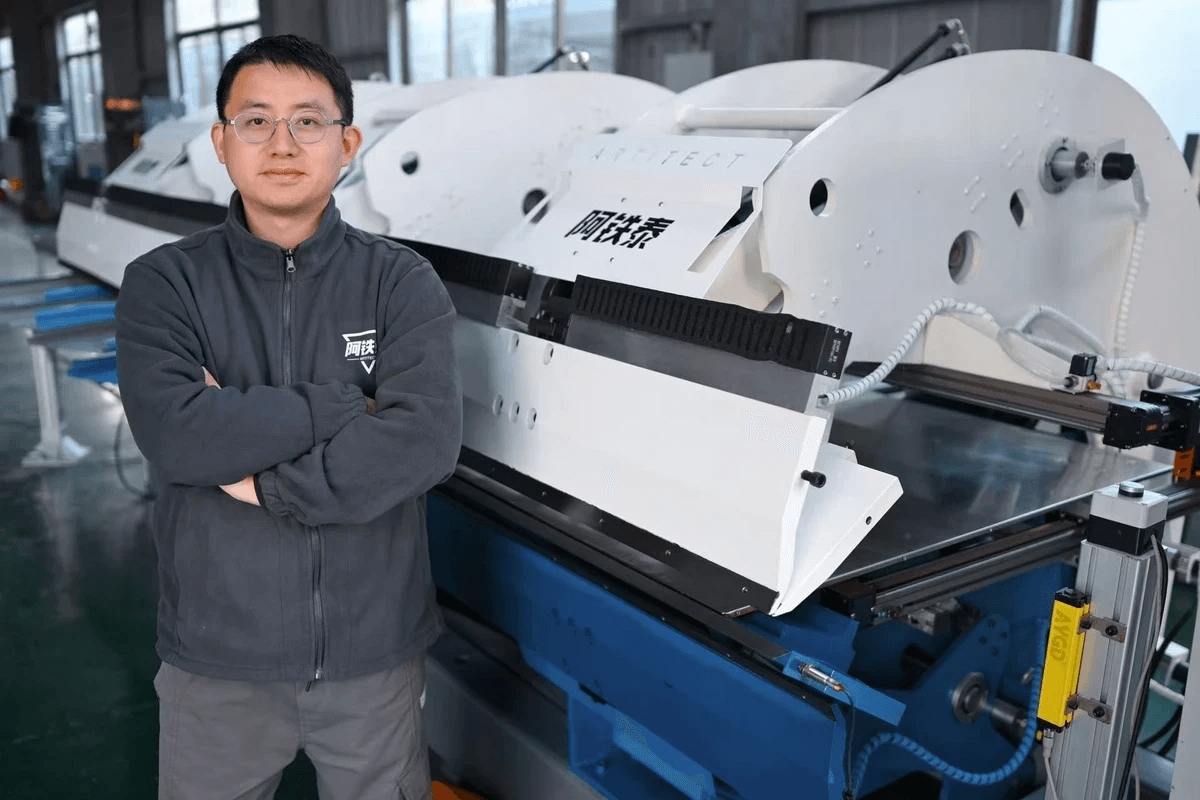
A strong demonstration should show complete production, not only a single automated bend. Buyers should ask the supplier to run a representative set of parts:
- A long roofing trim profile.
- A profile with bends in both directions.
- A coated material that must be protected.
- A repeat job recalled from memory.
- A profile requiring careful backgauge positioning.
- A part that shows loading, support, and unloading behavior.
ARTITECT MACHINERY is relevant for buyers who want automatic sheet metal folding built around double folder workflow. Its About Us page connects its automatic folding machine with production and architectural design experience. That is useful for shops that need both efficiency and profile quality.
Buyers can start a focused discussion through the contact page. The best inquiry includes part drawings, blank lengths, materials, thicknesses, finish requirements, current production issues, and desired automation level.
Conclusion
An automatic sheet metal folding machine should improve the full workflow, not only the bending motion. For roofing and architectural shops, automation is most valuable when it reduces handling, supports long blanks, guides the sequence, controls material changes, and protects visible surfaces.
A double folder approach can make automation more useful because it addresses bend direction and material movement directly. That is why buyers should evaluate the machine through real profiles and real shop routines.