
A cladding panel folding machine is valuable when facade work depends on clean edges, repeat reveals, and protected coated surfaces. Cladding trim does not hide inside the building. It defines corners, panel joints, window returns, and roof-to-wall transitions, so small variation can become visible across a finished elevation.
ARTITECT MACHINERY presents itself as a double folder factory overview. Its automatic folding machine function guide highlights dynamic folding, CNC thickness adjustment, graphic control, backgauge and gripper systems, sheet support, side loading, and part flipping. For facade shops, those details matter when long profiles need to stay straight and clean.
Facade Parts Are Visual Parts
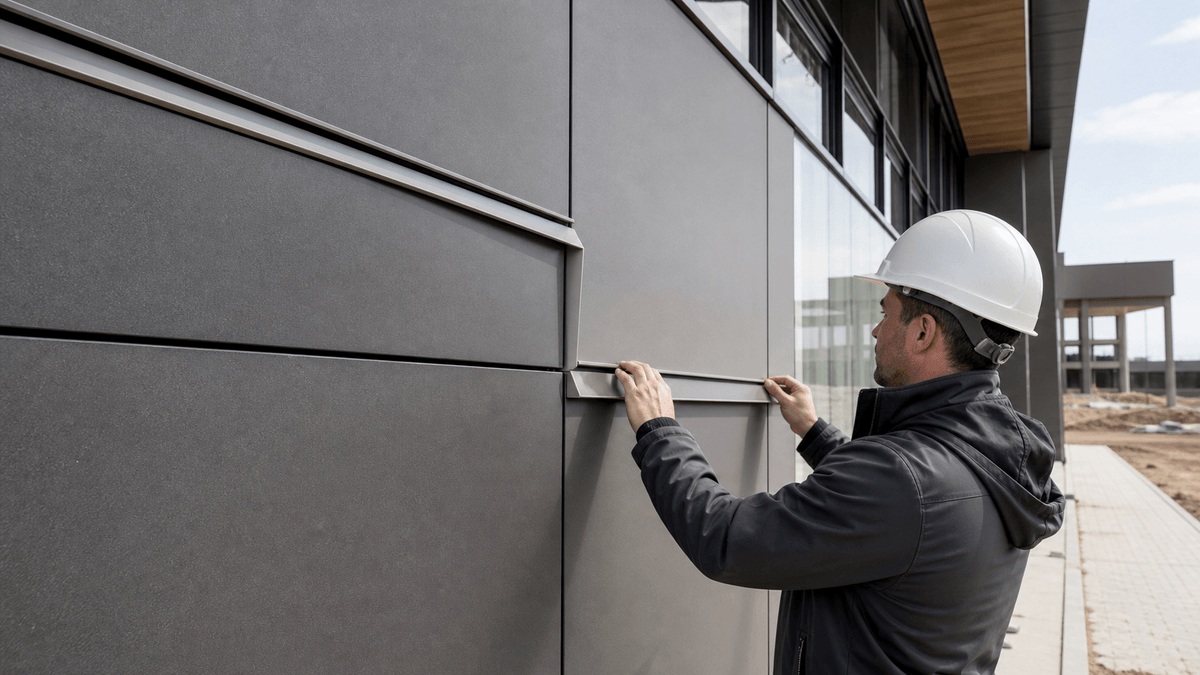
Panel trim has a different pressure than many hidden sheet metal parts. A small scratch, uneven flange, or wavy line may be noticed after installation. The folding workflow should protect finish quality from staging through final inspection.
That means the shop should evaluate more than bend angle. It should look at blank support, operator sequence, how often parts need to be flipped, and whether repeated profiles match across a project.
Common Cladding Applications
- Vertical and horizontal reveal trim between facade panels.
- Outside corners and inside return profiles.
- Window and door perimeter trim.
- Roof-to-wall transition details.
- Custom closure profiles for panel edges.
What Repeatability Looks Like on a Wall
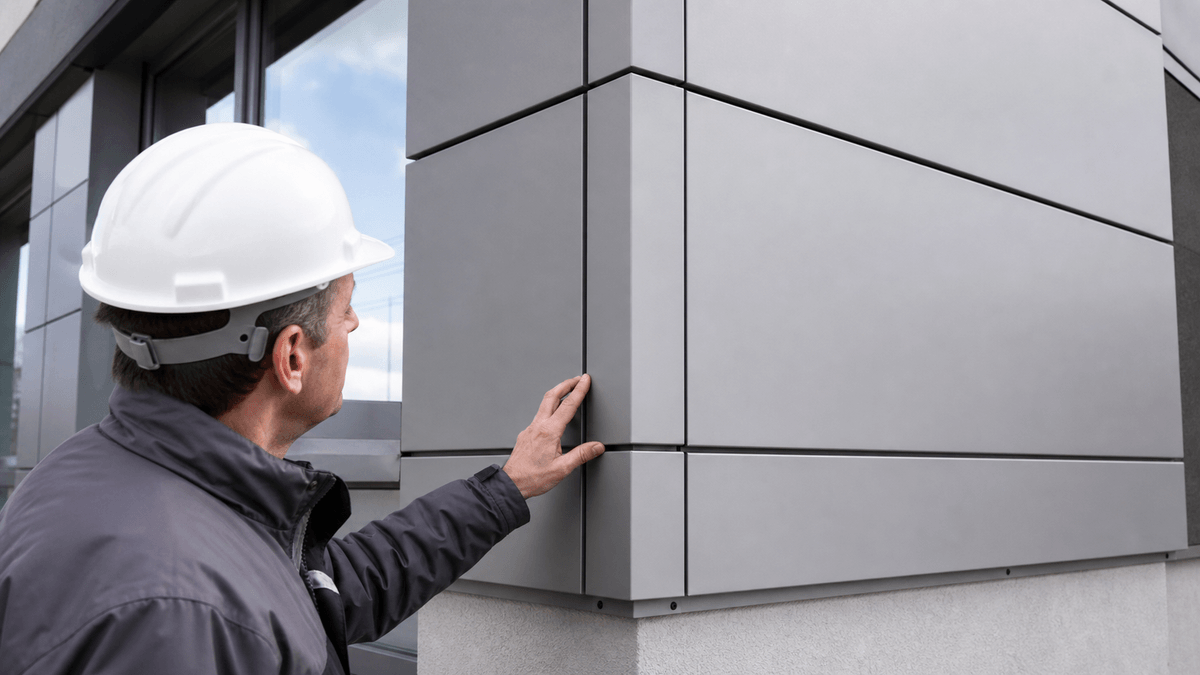
Repeatability is easy to discuss in a shop and easy to judge on a wall. If every joint line is straight and each corner detail lands cleanly, the fabrication process is doing its job. If installers need to adjust parts one by one, the cost of inconsistency moves from the shop to the job site.
Shops should test a full cladding detail, not just a single short bend. A sample set should include a visible corner, a long reveal, a coated material, and at least one profile that bends in more than one direction.
Questions to Ask Before Choosing a Workflow
- Can long trim profiles stay supported through the full sequence?
- Can operators repeat the same reveal width from part to part?
- Does the process protect the visible coated side?
- Can common panel trim shapes be stored and repeated later?
- Does the workflow reduce unnecessary flipping on multi-bend profiles?
A Profile-Based Discussion with ARTITECT
The most useful ARTITECT conversation starts with real facade profiles. Share drawings, panel joint details, material finish, blank length, thickness, and current fit issues through the ARTITECT project consultation form. That makes the discussion about finished cladding results, not only a machine category.
Conclusion
For cladding work, folding quality is judged by straight reveals, clean corners, protected finishes, and parts that installers can place without extra correction. A strong double folder workflow gives facade teams a better path from shop drawing to finished building face.