
When shops compare top powered metal folders for architectural panels, the best choice is rarely defined by one specification. Architectural panel work depends on long blanks, visible finishes, repeat profiles, and installation fit. The right folding workflow should help operators produce clean parts without turning every profile into a handling problem.
ARTITECT MACHINERY's double folder factory overview positions the company around automatic folding solutions. The double folder machine function guide describes graphic control, dynamic folding, CNC material thickness adjustment, backgauge and gripper systems, automatic support, side loading, and part flipping.
Start with the Panel Package
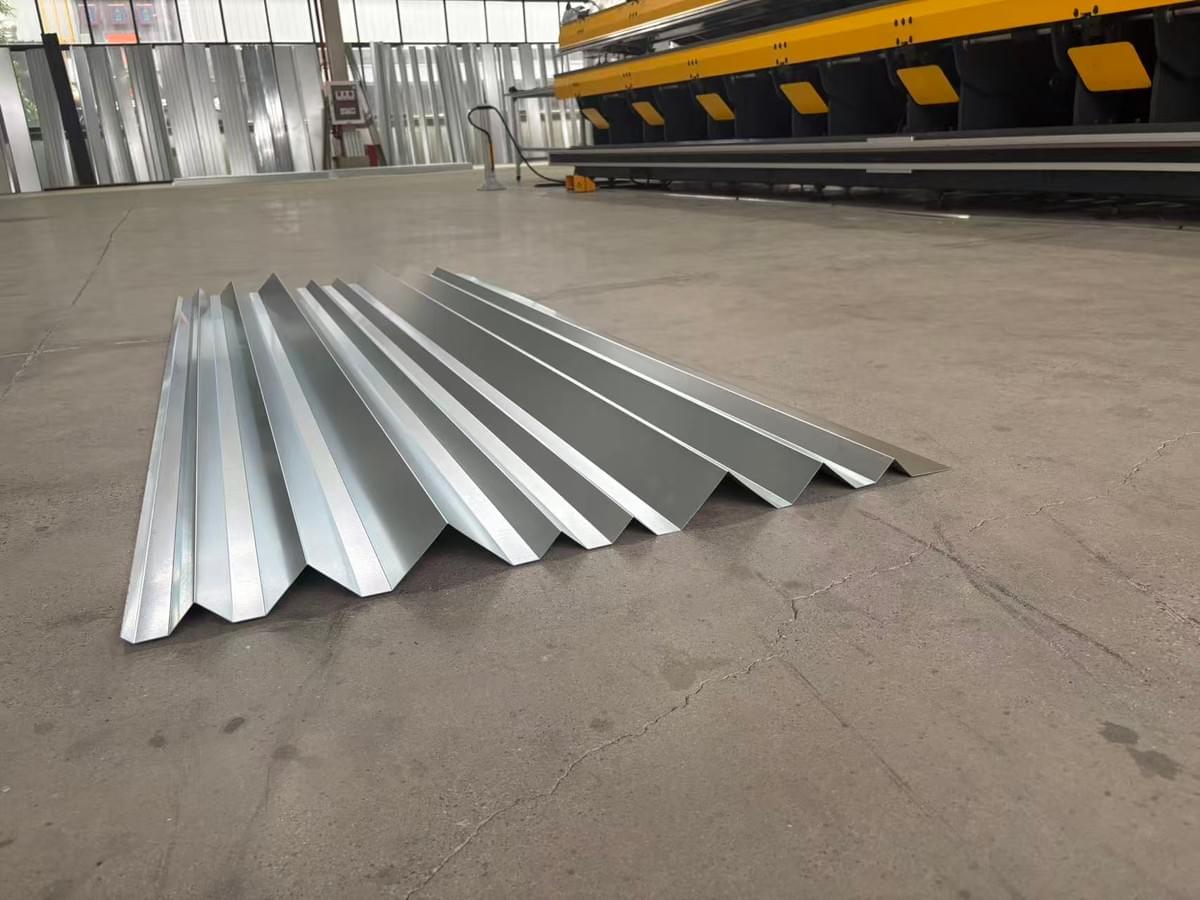
Architectural panel projects usually involve more than flat panels. Shops may produce coping, fascia, trim, closures, reveals, corner returns, and gutter-adjacent details. A powered folder should be judged by how well it supports that full package.
A system that performs well on one short sample may still struggle with long coated trim. That is why demonstrations should include the parts your team makes most often.
Comparison Points That Matter
- Long-part support before, during, and after folding.
- Repeat positioning for project sets and return orders.
- Clear operator guidance for multi-bend sequences.
- Surface protection for coated or prefinished material.
- Reduced flipping when bends face different directions.
Why Powered Workflow Beats Manual Muscle
Manual effort can hide in many places: loading blanks, supporting long parts, rotating profiles, checking sequence, and moving finished pieces to staging. NIOSH material handling guidance supports the practical value of reducing repeated physical strain. In architectural sheet metal work, lower handling burden can also mean cleaner finished parts.
For shop owners and production managers, this is where productivity and quality overlap. A calmer process is easier to teach, easier to repeat, and less likely to damage visible surfaces.
Use Real Profiles in the Trial
Bring a set of representative profiles to any comparison. One should be long. One should use coated material. One should include bends in both directions. One should represent a repeat job. Then watch how the workflow handles the whole sequence.
- Do repeated parts match across the full length?
- Does the operator need frequent help from another person?
- Are finished surfaces protected from dragging and contact marks?
- Can the same setup be recalled later without confusion?
Turning a Product Search into a Project Review
ARTITECT can have a more useful discussion when the shop shares drawings, blank dimensions, panel trim families, finish requirements, and handling issues through the ARTITECT project consultation form. The strongest comparison is built around the work your installers need to receive.
Conclusion
The top powered metal folders for architectural panels should be compared through real production behavior. For roof and facade teams, the right choice supports long profiles, protects coated finishes, repeats project details, and helps installers see the quality in the finished building.