
An automatic sheet loading folding machine is useful when loading is one of the hardest parts of the job. In roofing and architectural sheet metal shops, long coated blanks can be difficult to lift, align, and protect. Better loading and support can make the whole folding sequence more predictable.
ARTITECT MACHINERY's automatic folding machine function guide lists automatic extendable sheet loading and sheet support, automatic side sheet loading, automatic part flipper, backgauge and material gripper, graphic control, and CNC material thickness adjustment. Those details matter most when the shop is handling long or finish-sensitive parts all day.
Loading Is Part of Quality
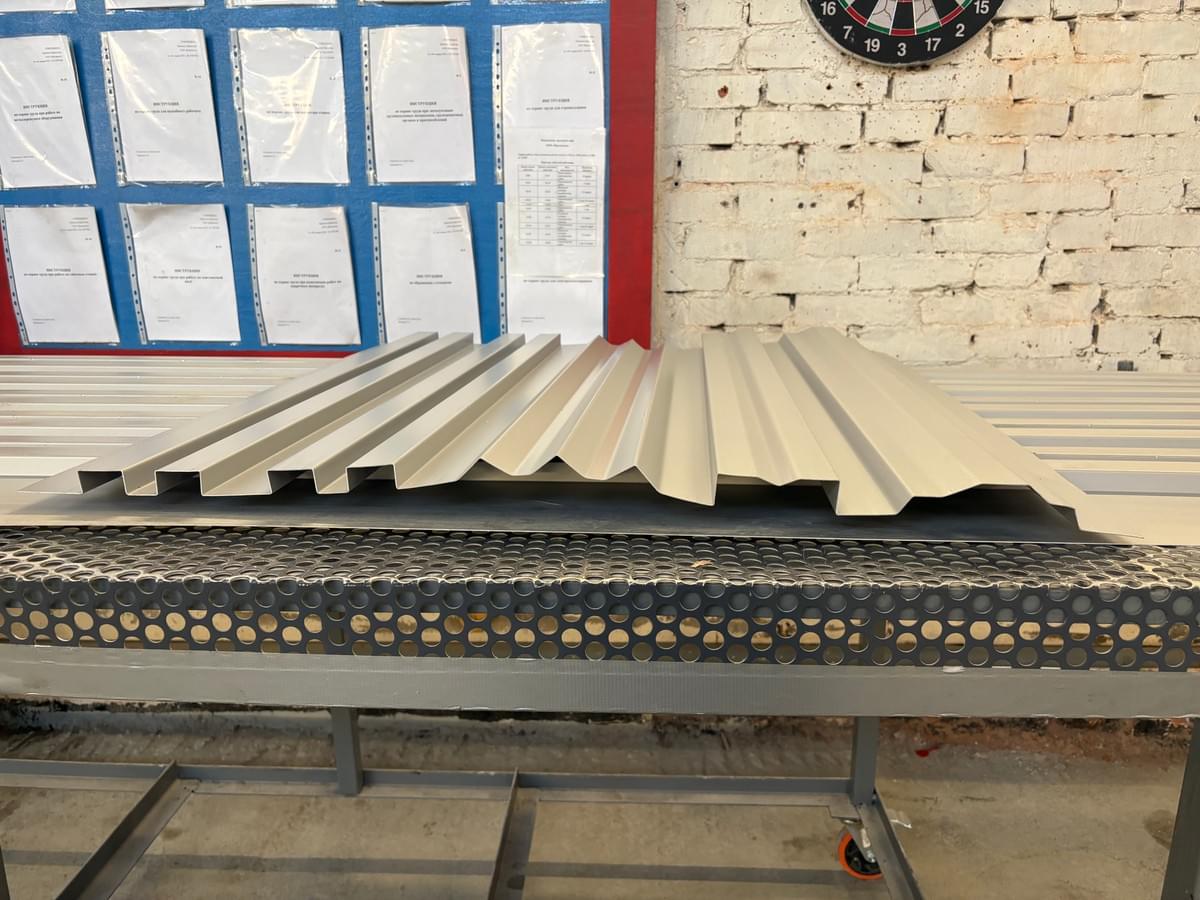
It is easy to focus on the fold itself, but the blank enters the process before the first bend is made. If loading is awkward, the sheet can be misaligned, marked, or handled by more people than necessary. On coated architectural material, those early movements can affect the final appearance.
Where Automatic Loading Helps
- Long fascia and roof-edge profiles.
- Parapet coping caps made from coated blanks.
- Gutter and box gutter sections.
- Facade trim, reveals, and corner profiles.
- Repeat project parts that use similar blank sizes.
Reducing the Strain Around Repetition
One long blank may be manageable. A full day of long blanks is different. Automatic loading and support can reduce repeated lifting, improve operator rhythm, and help keep material positioned consistently. NIOSH material handling guidance supports the broader value of reducing repeated physical demands in production work.
For roofing shops, the benefit is not only comfort. Less difficult handling can also reduce surface damage and part variation.
What to Ask During Evaluation
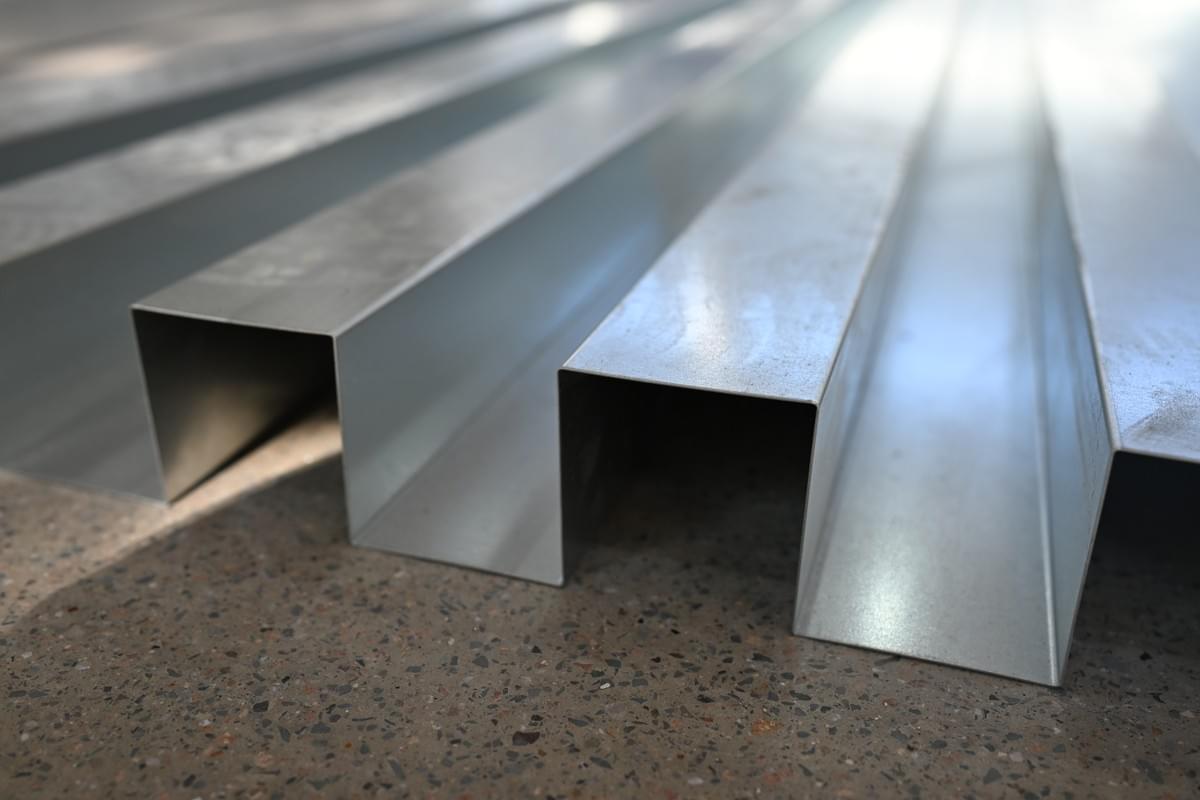
Automatic loading should be reviewed with real blanks and real profile lengths. The important test is whether the loading process improves the job your team already performs.
- Can coated sheets be loaded without dragging or marking?
- Does the blank stay aligned before the first fold?
- Can one operator manage more of the sequence?
- Does support continue after the profile becomes shaped?
- Can loading work with the shop's common blank sizes?
Connecting Loading to Installation Results
A cleaner loading process can lead to cleaner roof and facade parts. When blanks are positioned consistently and handled gently, finished profiles have a better chance of arriving straight and unmarred. Installers feel that difference when parts fit without extra adjustment.
To discuss this with ARTITECT, send blank dimensions, maximum profile length, material finish, thickness range, and photos of current loading or staging issues through the ARTITECT project consultation form.
Conclusion
An automatic sheet loading folding machine can improve more than speed. For long architectural profiles, better loading supports safer handling, cleaner surfaces, more repeatable setup, and a smoother path from flat blank to finished building detail.