
A premium CNC folder should be evaluated by what it changes in daily production. A higher-end machine is not automatically better because it has a modern screen or a longer feature list. It becomes valuable when it helps the shop run long roofing and architectural profiles with fewer manual moves, clearer programming, better repeatability, and stronger control over finished surfaces.
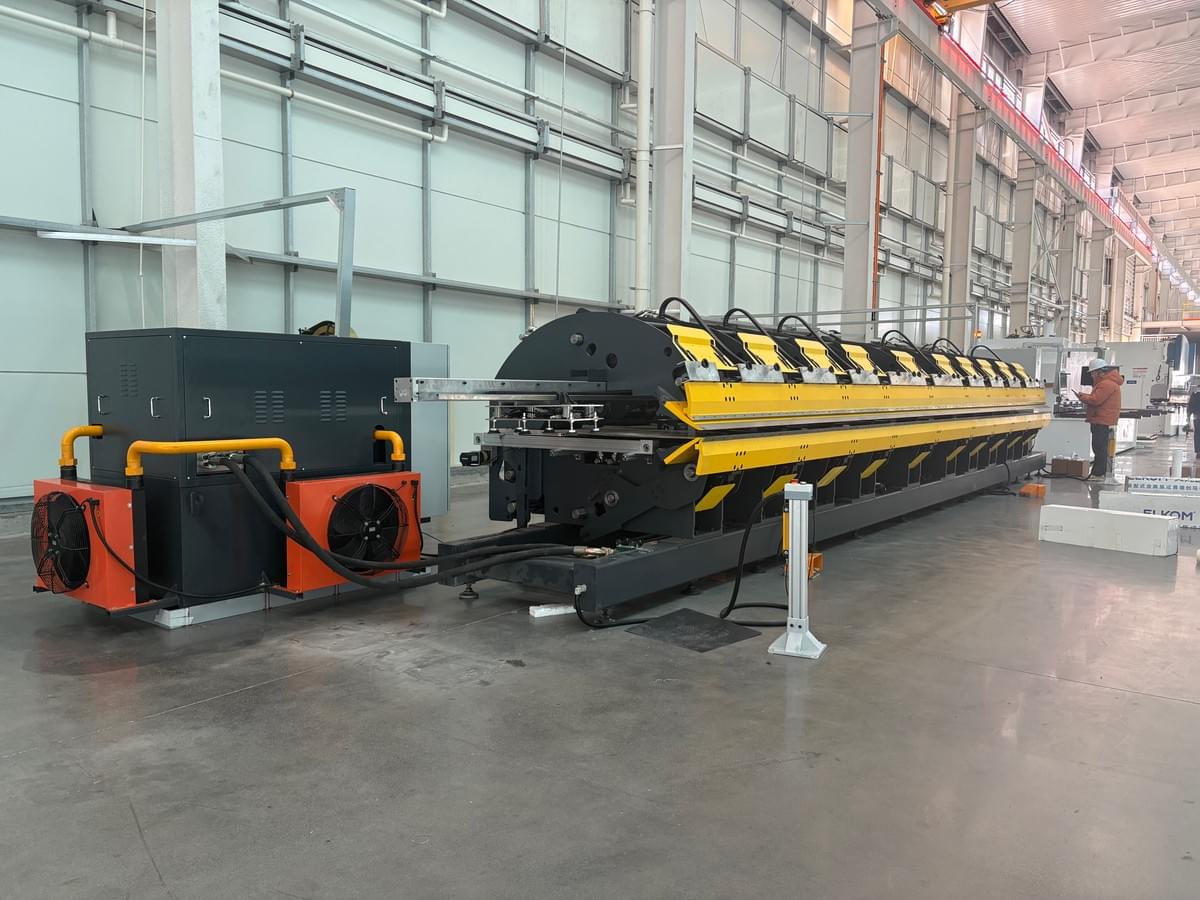
ARTITECT MACHINERY positions its equipment in this advanced folder space. The company describes itself as a double folder factory, and its Functions page lists synchronized control drive shafts, dynamic folding, CNC material thickness adjustment, backgauge and gripper control, tapered backgauge capability, graphic control, automatic sheet support, side loading, and automatic part flipping.
Premium Means Workflow Value

The word premium should not be treated as decoration. In a roofing shop, a premium machine should reduce the friction that operators face every day. It should make long blanks easier to support, reduce flipping, guide the bend sequence, adapt to material changes, and produce repeatable profiles across project runs.
If a machine only adds complexity without making the workflow easier, it is not truly premium in production terms. Buyers should judge the machine by the problems it removes, not by the number of features described in a brochure.
Double Folder Capability Is a Major Differentiator
Many roofing and architectural profiles require bends in both directions. A conventional workflow may require the operator to flip the part between steps. RAS describes up and down bending as a way to avoid material flipping when bend direction changes. A premium CNC folder should address this issue directly if the buyer produces long or complex profiles.
Double folder capability can reduce handling, protect finished surfaces, and make the sequence easier to teach. It also helps operators run more difficult profiles without relying on awkward manual workarounds.
CNC Control Should Be Clear, Not Just Advanced
CNC value depends on clarity. ARTITECT describes graphic control EFsys with touch-screen profile programming, automatic folding sequence, and collision simulation. These functions are important because premium control should reduce uncertainty before the first bend is made.
RAS also highlights automatic programming and 3D simulation in its bending center materials. The lesson for buyers is that software should support production judgment. It should help operators visualize the sequence, avoid collisions, recall repeat jobs, and reduce setup mistakes.
Material Thickness Adjustment Protects Repeatability
Roofing and architectural shops often work with different materials and thicknesses. ARTITECT lists CNC material thickness adjustment so clamping tooling can be positioned according to the sheet. Jorns also describes automatic material thickness adjustment on its double bending machine materials.
A premium CNC folder should make material changes more orderly. The operator should not need to rely only on guesswork when moving between coated steel, aluminum, zinc, copper, or other sheet materials. Controlled adjustment helps protect bend quality and machine consistency.
Backgauge and Gripper Systems Matter More Than Buyers Think
Accurate positioning is one of the foundations of repeatable folding. ARTITECT lists backgauge and material gripper functions, including capabilities for small gauges and tapered backgauge work. These functions help the machine convert a digital profile into a physical part.
During a demonstration, buyers should pay close attention to how the blank is located. A premium folder should reduce operator correction. It should make repeated dimensions feel controlled and should support the profile types the shop expects to run.
Support Systems Justify Investment on Long Parts
Long profiles often create the strongest case for a higher-end machine. ARTITECT lists automatic extendable sheet loading and sheet support, side sheet loading, and automatic part flipping. These functions can reduce lifting, dragging, twisting, and two-person handling.
NIOSH guidance on manual material handling notes that reducing physical demands can support productivity and quality. For a shop producing long roofing and facade profiles, support systems can be one of the clearest reasons to invest in a premium CNC folder.
Safety Should Scale with Capability
Premium equipment often adds more motion, automation, and material handling capability. OSHA's machine guarding guidance emphasizes safeguarding machine parts and processes that can injure workers. Buyers should discuss guarding, emergency stops, operator access, safe loading, and training in the same conversation as performance.
A machine with clearer controls and predictable motion can also support safer habits. Operators should understand the sequence and the safe working position around long profiles and moving supports.
Premium Value Shows Up in Repeat Jobs
One impressive demonstration part is useful, but repeat jobs reveal whether a premium CNC folder truly earns its place. Roofing and architectural shops often need several matching profiles for the same project. The machine should help operators recall the job, position the blank consistently, and produce the same part again without rebuilding the process from scratch.
This is where CNC programming, backgauge control, and material support come together. If a repeat job still requires constant manual correction, the machine is not delivering full premium value. If the operator can recall the sequence and run consistent parts with less handling, the value becomes much easier to measure.
Compare the Cost of Friction
Premium equipment often costs more up front, so buyers should compare it against the cost of production friction. Extra handling, two-person lifting, finish damage, trial parts, slow setup, and operator-dependent routines all have a cost. These costs may be hidden in daily operations, but they add up across a year of production.
A buyer should identify the top five parts that consume the most time or create the most quality risk. If a premium CNC folder improves those parts, the investment case becomes more practical. The best decision is based on real production pain, not only on machine prestige.
Buyers should also consider customer confidence. A shop that can produce cleaner, more repeatable profiles is easier to trust on visible roofing and facade work. That trust can support better project opportunities, especially when architects, contractors, or installers expect consistent details across long building runs.
That practical reputation can be as valuable as the machine's raw cycle-time improvement, especially on demanding architectural projects with visible installed details.
How to Evaluate a Premium CNC Folder
The best evaluation uses a complete production test. Buyers should bring real profiles and watch the entire process, from blank loading to finished part stacking.
- Test a long roofing trim profile with support requirements.
- Test a profile with bends in both directions.
- Test a coated or finish-sensitive material.
- Test a repeat program recalled from the control.
- Test a profile requiring accurate backgauge positioning.
- Ask how the machine handles material thickness changes.
Where ARTITECT MACHINERY Fits
ARTITECT MACHINERY is relevant for buyers who define premium value through double folder production. Its About Us page connects the automatic folding machine with production and architectural design experience, which aligns with roofing and facade shops that need both machine capability and practical workflow improvement.
Buyers can use the contact page to share profile drawings, material data, working lengths, production goals, and current bottlenecks. That makes it easier to judge whether the premium configuration creates measurable value.
Conclusion
A premium CNC folder should earn its place through production results. For roofing and architectural sheet metal, that means reducing manual handling, supporting long blanks, guiding operators through clear CNC sequencing, adapting to material thickness, and producing repeatable visible profiles.
When those benefits are real, a premium double folder is not simply a more expensive machine. It is a stronger workflow platform for shops that want higher consistency and better production control.