
A wholesale sheet metal folding machine inquiry often starts with price, availability, and basic specifications. That is natural when a dealer, distributor, group buyer, or multi-shop owner is comparing equipment at a larger purchasing level. But the risk is also larger. If the machine class is wrong, a low unit cost can turn into slow production, training problems, rework, and frustrated operators across more than one shop.
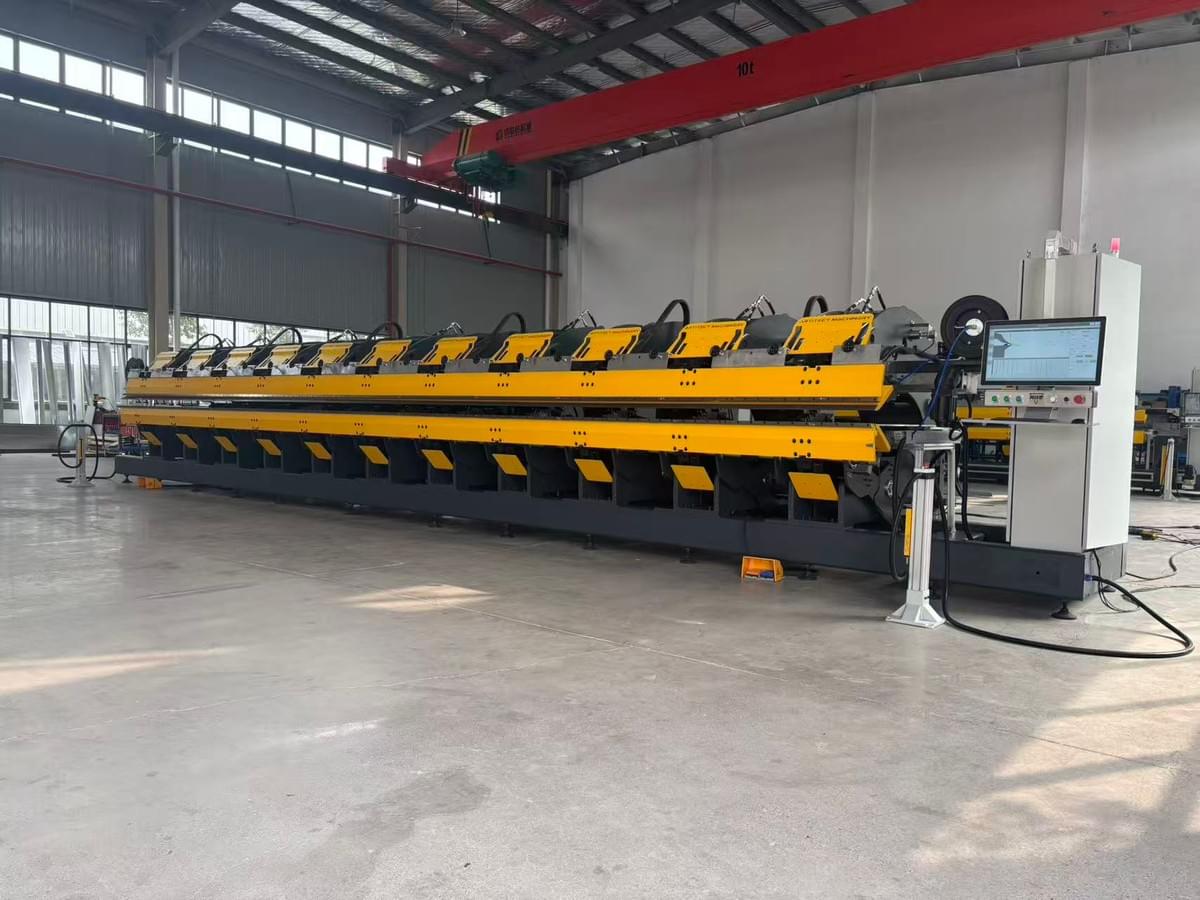
For roofing and architectural sheet metal work, wholesale buying should still begin with workflow fit. ARTITECT MACHINERY positions itself as a double folder factory focused on automatic folding machines. Its Functions page emphasizes a double folder for roofers and contractors, supported by synchronized control drive shaft technology, dynamic folding, CNC thickness adjustment, backgauge and gripper functions, automatic support, side loading, and part flipping. Those details can help procurement teams evaluate whether a machine fits the end user's daily production, not only the purchase order.
Wholesale Buying Raises the Cost of a Wrong Assumption
When a single shop buys a machine, the buyer can tailor the decision to one workflow. In a wholesale or multi-location purchase, the machine may need to satisfy several operators, several customer mixes, and several production routines. The temptation is to standardize around price and basic length, but that can hide the differences that matter most in use.
A roofing contractor may need long trim and coping capacity. A facade fabricator may need better control of visible panels and cladding details. A dealer may need a machine that can serve customers with a mix of entry-level and advanced production needs. The purchasing process should therefore separate universal requirements from application-specific options.
Start with Application Families, Not the Discount
A stronger procurement brief begins with parts. List the profile families that buyers or branch shops expect to produce: roof-edge trims, fascia, parapet caps, gutters, wall panel details, cladding profiles, custom architectural shapes, or box-like folded parts. Then identify which parts require long blanks, alternating bend directions, high finish quality, tight repeatability, or frequent setup changes.
This application map prevents a common mistake: buying a generic folder when the real need is an automatic double folder workflow. If the end users are mainly producing simple short profiles, the requirements may be modest. If they are producing long, visible, multi-bend architectural profiles, then support, gauging, up/down folding, and CNC sequence control become much more important.
Specifications Should Translate into Operator Benefits
A wholesale quote may include working length, thickness range, machine weight, control type, power requirements, and optional accessories. Those details are necessary, but they should be translated into operator benefits. What does the length mean when the blank is flexible? How does the control help a newer operator? How does the machine reduce manual movement? How does it protect finished surfaces?
ARTITECT's listed features give buyers a practical checklist. Dynamic folding can reduce repositioning and stop time. CNC thickness adjustment can help adapt clamping to the sheet. Backgauge and gripper functions support positioning. Automatic sheet loading and support address material handling. The automatic part flipper can assist certain double-sided hem or gripping operations. These features should be evaluated by their production effect, not just their names.
Up and Down Folding Can Be the Difference

Many buyers comparing wholesale sheet metal folding machines will see several machines that can bend metal. The difference is how much manual handling remains when the profile becomes complex. RAS describes up and down bending as a way to avoid material flipping when the bend direction changes, while supporting automatic folding sequences and short cycle times. That principle is especially relevant when the buyer's customers produce architectural profiles with bends in both directions.
Without up/down folding, the operator may need to flip long or partially formed parts to complete the sequence. That can require more labor and increase the risk of scratches or inconsistent positioning. A double folder approach can reduce those non-value-added movements, which is why it should be part of a serious procurement comparison.
Do Not Separate Price from Training
A low purchase price becomes less attractive if the machine depends heavily on one skilled operator. Wholesale buyers should consider how easily new users can learn the workflow, recall programs, understand the sequence, and avoid mistakes. A clearer CNC interface and better automatic positioning can reduce the gap between an experienced operator and a trained newer operator.
Training is also connected to safety. OSHA's machine guarding guidance emphasizes the need to safeguard machine parts, functions, and processes that can injure operators or nearby workers. When a wholesale buyer is specifying equipment for multiple users, the safety conversation should include guarding, access, control stations, operator prompts, emergency stops, and the expected loading routine for long material.
Material Handling Belongs in the Procurement Brief
NIOSH guidance on manual material handling notes that ergonomic interventions can lower physical demands and may improve productivity and quality. This point should influence the specification of sheet support, loading, side feeding, and part movement options. Long roofing blanks and architectural profiles are not only machine-capacity problems. They are also operator workload problems.
A procurement team should ask whether the machine reduces repeated lifting, reaching, twisting, and two-person handling. If several branches or customers will use the same machine platform, better handling support can make adoption smoother and reduce the chance that operators create inconsistent workarounds.
Questions for Wholesale and Multi-Shop Buyers
The following questions help keep a larger purchase grounded in real production needs:
- Which profile families will represent most of the machine's use?
- What working length is needed for real parts, not only occasional maximum jobs?
- How often do profiles require bends in both directions?
- What level of CNC guidance is needed for repeat jobs and new operators?
- Which handling options are essential for long or finish-sensitive blanks?
- What safety and guarding expectations apply in the destination market?
- Which options should be standardized, and which should remain configurable by application?
What a Better Quote Package Should Include
A useful quote package for wholesale evaluation should include more than a price list. It should include the target applications, machine configuration, key options, control capabilities, support and loading details, safety approach, service expectations, training approach, and any assumptions about materials or production volumes. Where possible, it should also include a demonstration plan using representative parts.
Jorns highlights optional systems such as automatic infeed, side infeed, material thickness adjustment, and safety laser scanners on its double bending machine materials. That illustrates an important procurement point: options can change the real workflow. Buyers should avoid comparing a lightly configured machine against a more complete system as if they were equal.
Where ARTITECT MACHINERY Fits
ARTITECT MACHINERY should be evaluated by buyers who want a double folder platform for roofing and architectural sheet metal applications. The company's About Us page connects the product to production experience and architectural design experience, which is useful when the buyer's customers need practical machine performance and profile flexibility.
Because wholesale terms, availability, configuration, and support details can vary by buyer and market, they should be confirmed directly with ARTITECT through the contact page. The strongest inquiry will include target applications, expected order quantity, destination market, material range, profile drawings, and the automation level needed by the end users.
Conclusion
A wholesale sheet metal folding machine purchase should not be reduced to a unit price conversation. For roofing and architectural fabrication, the machine has to support real profiles, real operators, and real production pressure. Double folder design becomes valuable when it reduces manual handling, supports up/down bending, improves repeatability, and gives the buyer a clearer path for different users and applications.
Procurement teams that define workflow first will ask better questions, compare configurations more accurately, and avoid buying a machine that looks inexpensive but behaves expensively. The right wholesale conversation is still a production conversation.