
An automatic sheet metal folding machine is most useful when it improves the work around the bend: loading, positioning, repeatability, support, and finished-part handling. For roofing and architectural sheet metal shops, the important question is not only whether the machine can fold sheet metal. It is whether the process produces clean profiles that installers can use with fewer fit problems.
ARTITECT MACHINERY presents itself as a double folder factory, and its Functions page describes automatic folding functions such as dynamic folding, CNC material thickness adjustment, graphic control, backgauge and gripper systems, sheet support, side loading, and part flipping.
Start with the Parts Installers See
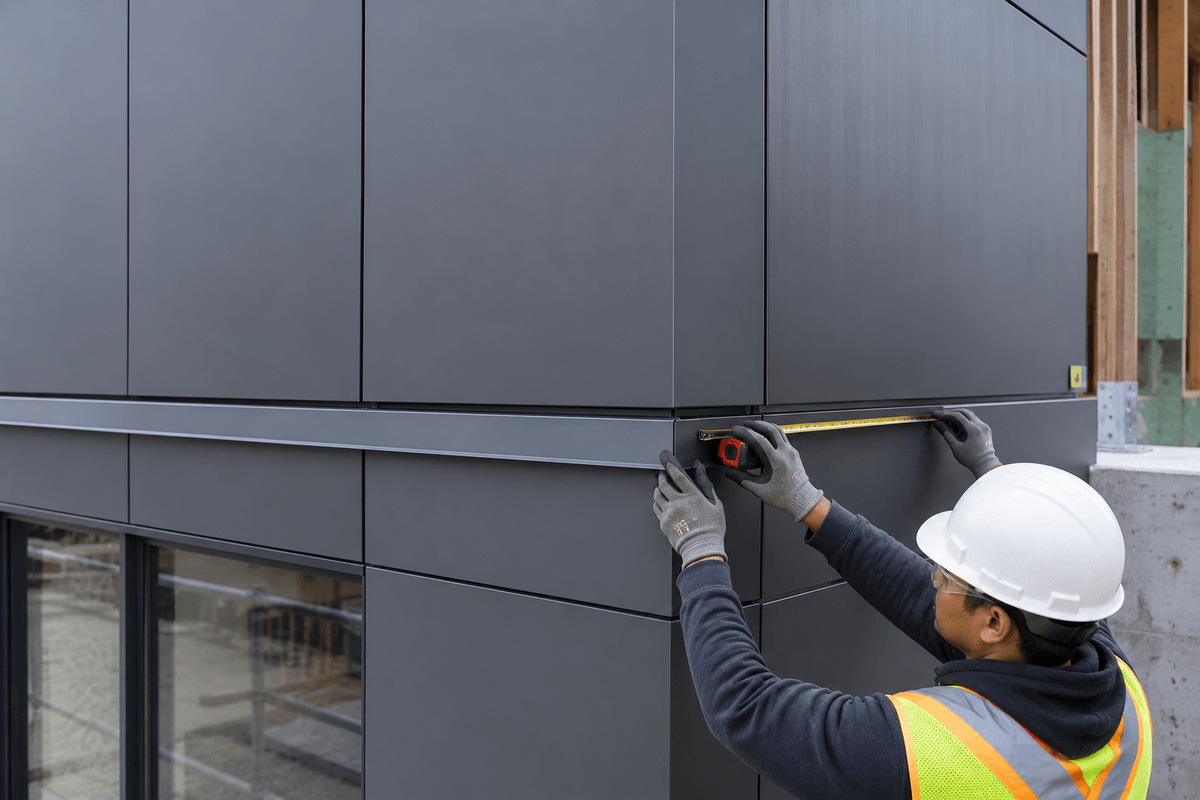
Roof-edge fascia, rake trim, parapet coping, gutters, cladding trim, and wall panel details are visible after installation. Small differences in flange width or bend consistency can show up on the building. A stronger folding workflow helps the shop deliver straighter lines, cleaner surfaces, and more repeatable profiles.
Why Automation Should Reduce Handling
Automation should remove repeated manual movements. Long coated blanks are easy to scratch, and partially formed profiles become harder to handle as bends are added. Up and down folding can reduce flipping when bend direction changes, a point also emphasized by RAS in its up/down bending materials.
For daily production, that means fewer awkward rotations, less dependence on two-person handling, and a more predictable sequence for operators. The value shows up in both shop flow and installation confidence.
Good Applications for Automatic Folding
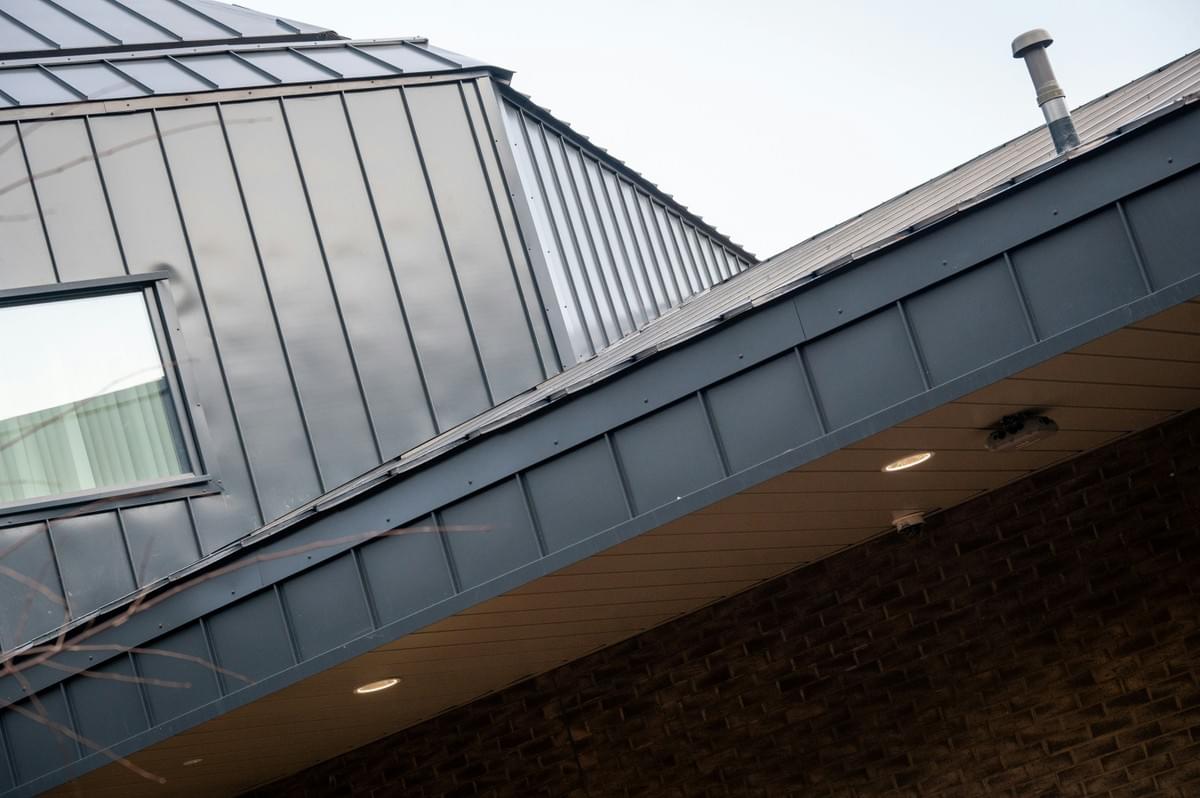
- Long fascia and roof-edge trim for commercial buildings.
- Parapet caps and coping profiles with repeat dimensions.
- Gutter and box gutter profiles with clean finished surfaces.
- Facade and cladding trim with crisp reveal lines.
- Custom architectural profiles that need stored repeat programs.
What Shops Should Check Before Buying
Shops should test the machine with real parts, not only simple samples. Bring one long profile, one profile with bends in both directions, one finish-sensitive material, and one repeat job. Watch how the blank is positioned, how the sequence is explained, and how the finished part is handled after folding.
NIOSH guidance on manual material handling notes that reducing physical demands can support productivity and quality. OSHA's machine guarding guidance also makes safe operator position and material handling part of the equipment decision.
From Shop Floor to Job Site
The best result is not a dramatic machine demo. It is a set of parts that arrive on site straight, clean, and easy to install. A roof edge that aligns quickly, a coping cap that sits flat, and cladding trim that keeps even reveals are all signs that folding workflow is working.
Talking with ARTITECT
To make the conversation practical, shops can contact ARTITECT through the contact page with drawings, blank lengths, materials, thicknesses, production volume, and current handling issues. That gives the team enough detail to discuss the workflow, not just the machine name.