
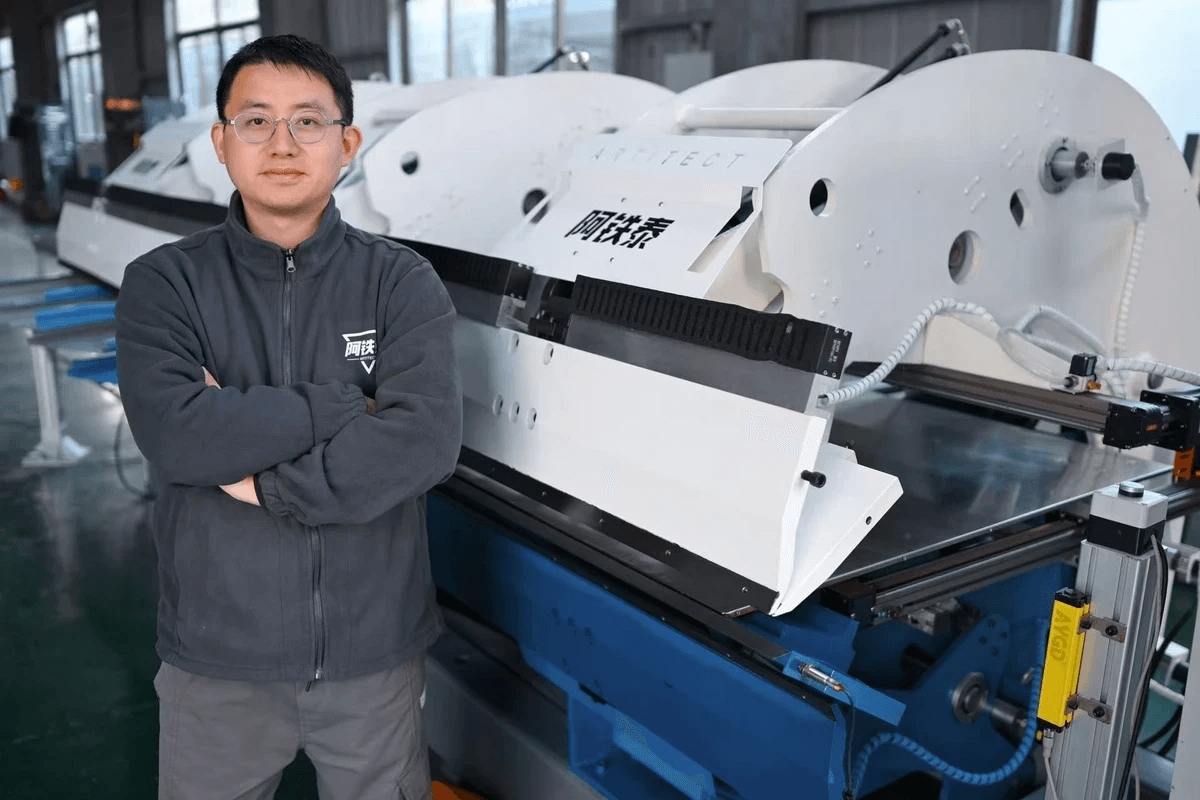
ARTITECT is best understood through the type of work its machine positioning supports. On its home page, ARTITECT MACHINERY presents itself as a double folder factory. That matters for roofing and architectural sheet metal shops because their work often depends on long profiles, visible finishes, and bends in more than one direction.
The Functions page lists practical workflow features: dynamic folding, CNC material thickness adjustment, graphic control, backgauge and gripper systems, automatic sheet support, side loading, and part flipping. These details connect the brand to real shop problems rather than a generic machine category.
What the Brand Means in Practical Terms
For a roofing shop, the name is useful only if the machine helps produce field-ready profiles. Long fascia should stay straight. Coping caps should repeat across a parapet. Cladding trim should keep clean reveal lines. Gutter and box gutter profiles should be handled without unnecessary surface damage.
Why Double Folder Workflows Matter
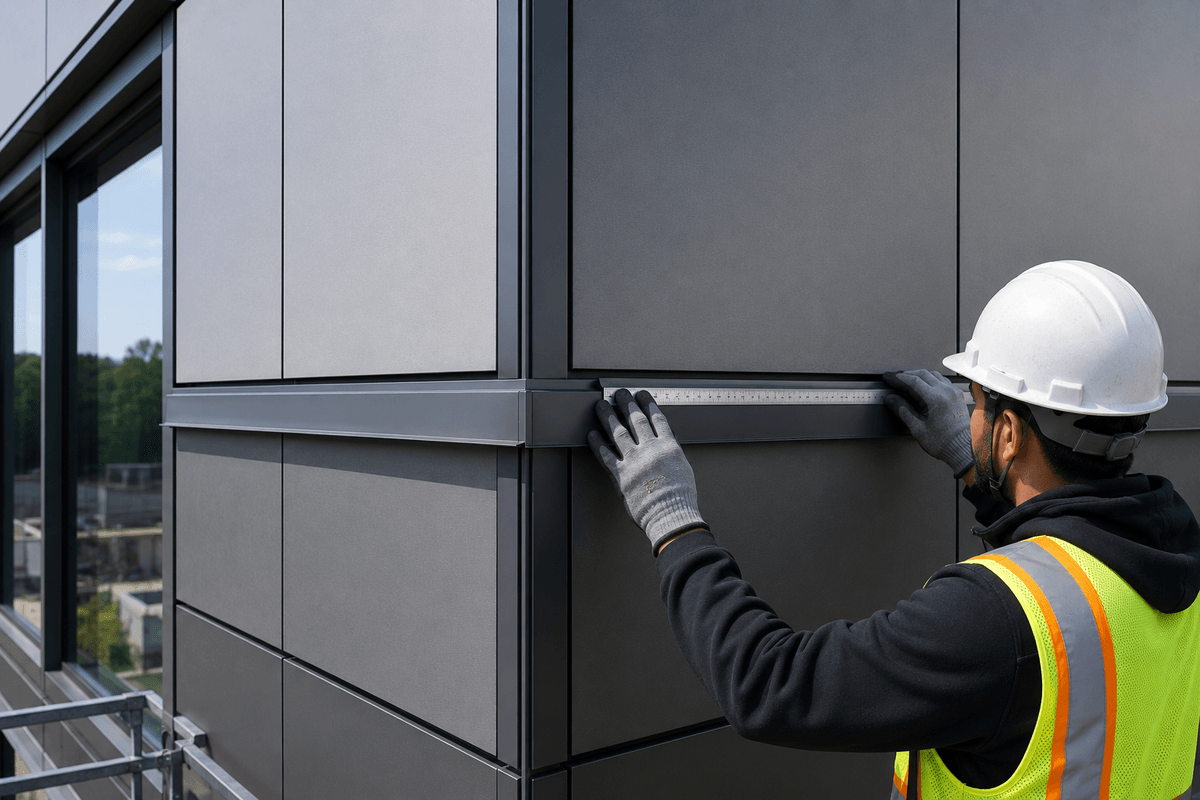
Many architectural profiles require bends in both directions. RAS describes up and down bending as a way to avoid material flipping when the bend direction changes. Less flipping can reduce handling effort, surface scratches, and alignment risk on long parts.
That advantage is especially relevant when finished parts are visible. A profile that looks good in the shop but is difficult to repeat can still cause field problems. A better workflow connects fabrication consistency with installation quality.
Projects That Fit the ARTITECT Conversation
- Commercial roof-edge systems with repeated fascia and trim.
- Parapet coping runs that need consistent flanges.
- Facade and cladding trim with visible coated surfaces.
- Gutter and box gutter profiles for roofing packages.
- Custom architectural profiles in small or mixed batches.
How Shops Should Prepare
Before contacting ARTITECT, shops should collect drawings, blank sizes, material types, thicknesses, finish requirements, and current handling problems. A practical request might include the part that currently needs two operators, the profile most likely to scratch, and the repeat job that takes too long to set up.
That information makes the discussion more useful. It lets the supplier respond to actual production needs rather than only quoting a general folder configuration.
From Fabrication to Installation
The best machine discussion should include the installation outcome. Installers care about parts that fit, align, and arrive with clean surfaces. Shop owners care about labor, consistency, and fewer delays. A double folder workflow is valuable when it supports both sides of that equation.
Next Step
Shops can use the ARTITECT project consultation form to start with real profile information. The strongest conversation is built around applications, not abstract machine labels.