
An up down bending machine is valuable when a profile needs bends in both directions. Roofing and facade work often includes exactly that kind of geometry: drip edges, coping caps, cladding returns, box gutters, and trim parts that combine inside and outside folds. Reducing manual flipping can make the process cleaner and easier to repeat.
ARTITECT MACHINERY's automatic folding machine function guide describes automatic folding features including dynamic folding, CNC thickness adjustment, backgauge and gripper systems, automatic support, side loading, and part flipping. These functions fit the same production problem: how to move complex architectural profiles through a sequence without unnecessary handling.
Why Bend Direction Changes Matter
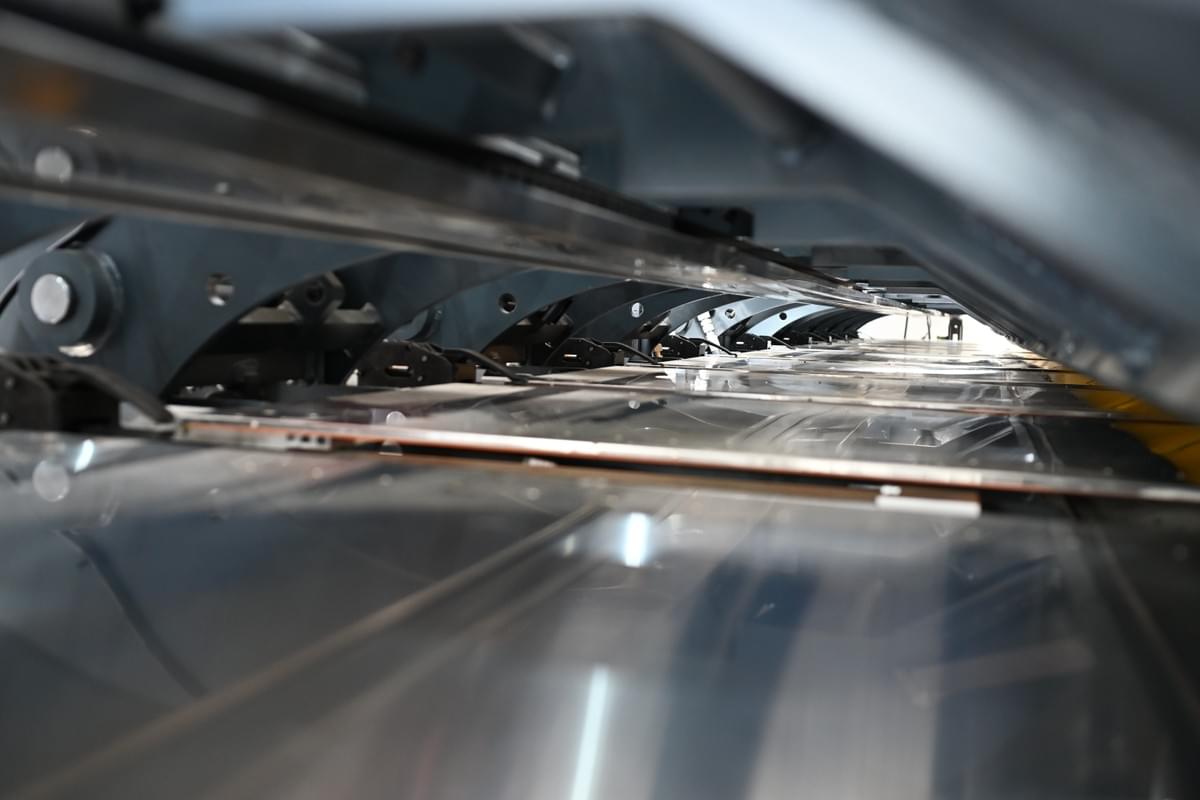
Every time a long coated blank is flipped or rotated, the operator has to control length, weight, surface finish, and position. For a short part, that may be simple. For roof-edge trim or facade profiles, it can slow the shop and increase the chance of scratches or inconsistent alignment.
RAS describes up/down bending as a way to reduce part turning for complex work. The same principle applies to double folder selection: fewer manual movements can support better consistency, especially when finished parts are visible on the building.
Applications That Benefit from Up and Down Sequences
- Parapet coping with returns and underside flanges.
- Roof-edge fascia with hemmed or stepped shapes.
- Cladding trim with reveals, corners, and closures.
- Box gutter profiles with multiple directional bends.
- Custom architectural profiles that combine several fold directions.
The Real Gain Is Controlled Handling
Speed is useful, but controlled handling is often the bigger gain. If the part stays supported and the sequence is clear, operators can focus on producing a clean profile instead of managing awkward movement. That also helps newer operators learn repeat work more consistently.
OSHA's machine guarding guidance and NIOSH's material handling guidance both point toward the same practical idea: equipment decisions should consider how people interact with the work, not only what the machine can do on paper.
What to Bring to a Demonstration
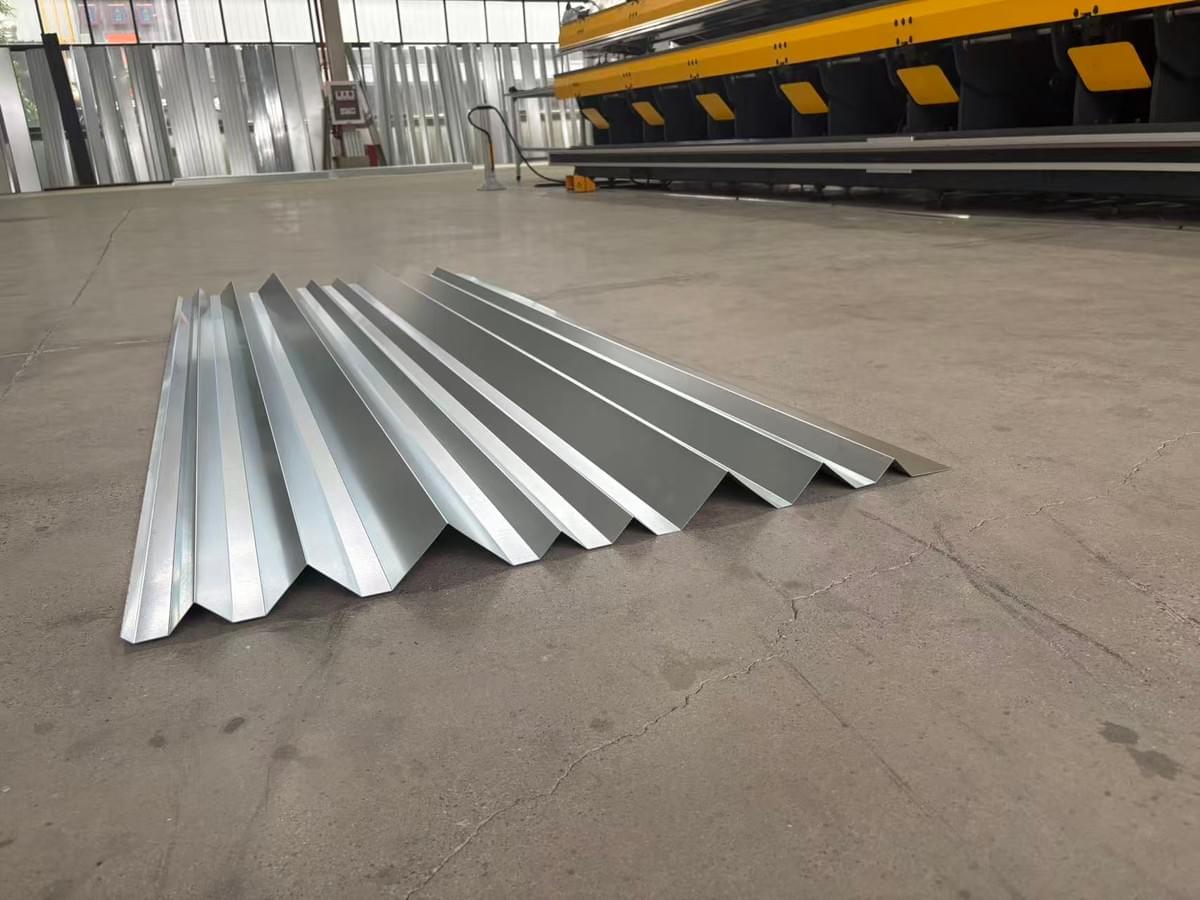
For an up and down bending discussion, bring profiles that actually change direction. A simple one-bend part will not test the workflow. Use drawings and material that represent your roof and facade production.
- One long profile with several bends.
- One coated profile where surface protection matters.
- One part that currently requires flipping or two-person handling.
- One repeat profile used across many project sections.
Making the ARTITECT Discussion Specific
ARTITECT positions itself around double folder production. To make that useful, share bend direction, blank length, material thickness, finish type, and current handling problems through the ARTITECT project consultation form. The right questions are about your part flow, not only a product name.
Conclusion
An up down bending machine workflow can help roofing and architectural sheet metal shops reduce flipping, protect visible surfaces, and repeat complex profiles with less strain. For long finished parts, that practical handling advantage can matter as much as bend accuracy itself.