
A sheet metal folder should be evaluated against the work a shop actually needs to produce. For roofing and architectural fabrication, that means more than comparing a capacity headline. A useful selection process connects representative profiles, material conditions, operator workflow, and acceptance evidence in one requirement pack that suppliers can answer consistently.
Build the sheet metal folder requirement pack
Start with the production mix. List representative profiles, material specifications, thicknesses, lengths, and batch sizes. Identify which jobs create the main constraints in the current workflow. A part may be challenging because of its geometry, handling needs, visible finish, or frequency of changeover. Describe that reason alongside the drawing. For architectural sheet metal, include roofing profiles that represent the actual order mix.
A sheet metal folder inquiry should separate essential requirements from preferences. Essential items need a clear method of confirmation. Preferences can guide discussion without becoming accidental guarantees. Mark the current drawing revisions and give each representative sample a reference so that supplier responses can be compared against the same scope.
Include the facility information needed to discuss the proposed arrangement. Describe available space, material movement, and relevant access constraints. Ask the supplier what additional site information is needed. Early clarification helps the technical conversation focus on a configuration that can be evaluated in the intended setting.
Compare geometry and material as a combination
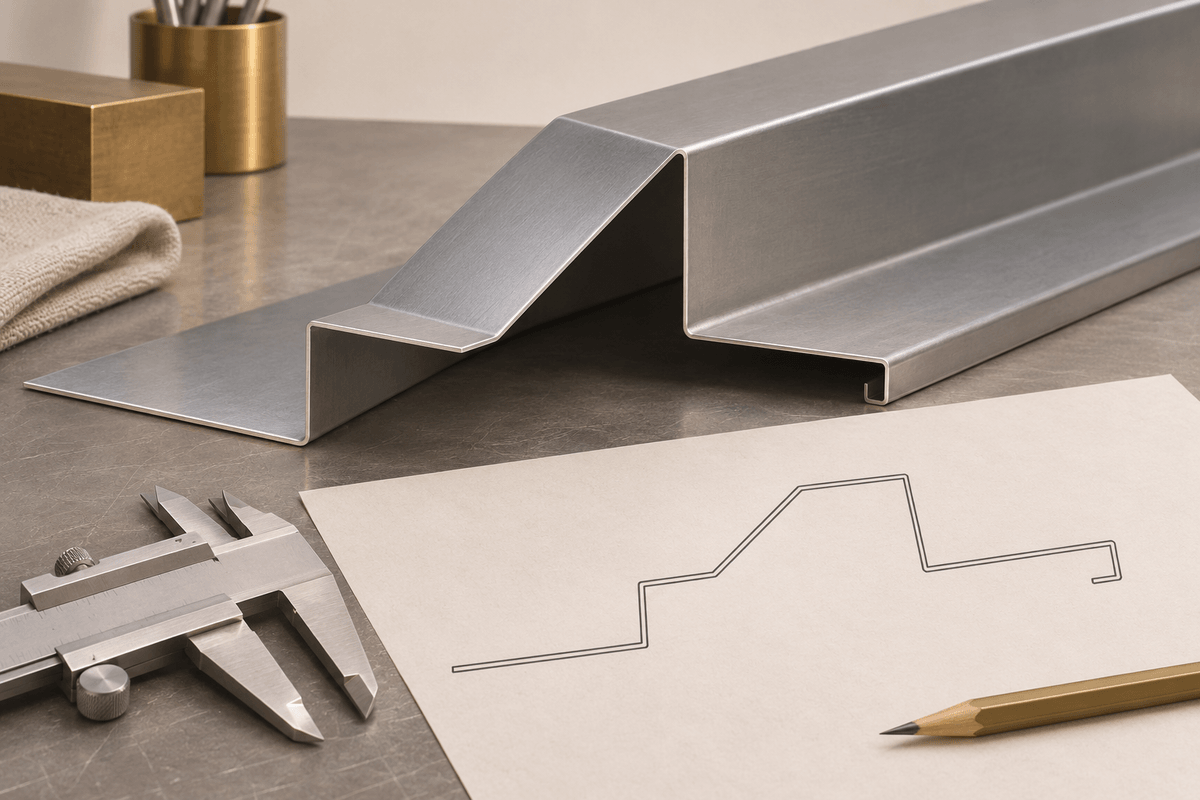
Review the offered configuration against the actual part drawings. Ask how the folding sequence handles the important features and what information is needed to assess them. A general capacity figure should be read with its material and configuration conditions. It should not be extended to every profile in the job list. Ask how the proposed double folder accommodates the profile drawing at the specified material thickness.
For each sheet metal folder proposal, request a clear response to the representative material combinations. Record thickness, grade, surface condition, and any protective film. If an application is outside the evidence provided, keep it as an open item. The buyer needs to know which requirements are supported and which still require a trial.
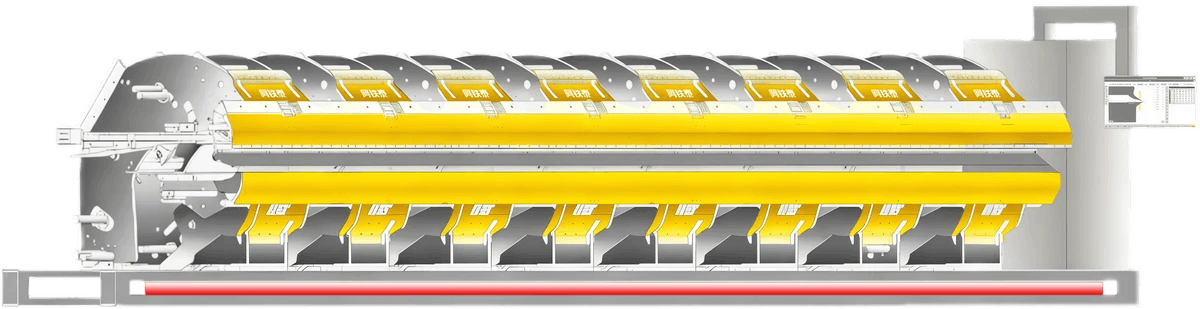
ARTITECT MACHINERY describes automatic double folding equipment in its product overview. Use that information to begin the discussion, then ask for the relevant configuration details for your drawings. Keep the comparison focused on the offered equipment and the application evidence available.
Evaluate handling and programming together
Ask how the operator introduces a job, confirms the drawing, and prepares the first piece. Review the proposed sequence and the checks required before production. A practical demonstration should make the relationship between the program and the physical part understandable to the people responsible for quality and production. Review the proposed CNC folding program against the demonstrated automatic folding sequence. Ask the demonstrator to identify the role of the backgauge and sheet support during the observed handling tasks.
The sheet metal folder review should include loading, support, repositioning, and unloading. Record the operator arrangement and any auxiliary equipment used. If the demonstration relies on conditions that differ from your shop, ask how those differences affect the proposal. This gives the buyer a more useful view of the complete workflow.
Consider changeover between representative jobs. A mixed profile shop needs to understand how current programs, drawings, and setup records are controlled. Ask how the offered system supports the agreed working method, and request demonstration evidence for functions important to the purchase. Avoid judging the whole workflow from one short forming sequence.
Agree a sample-based acceptance plan
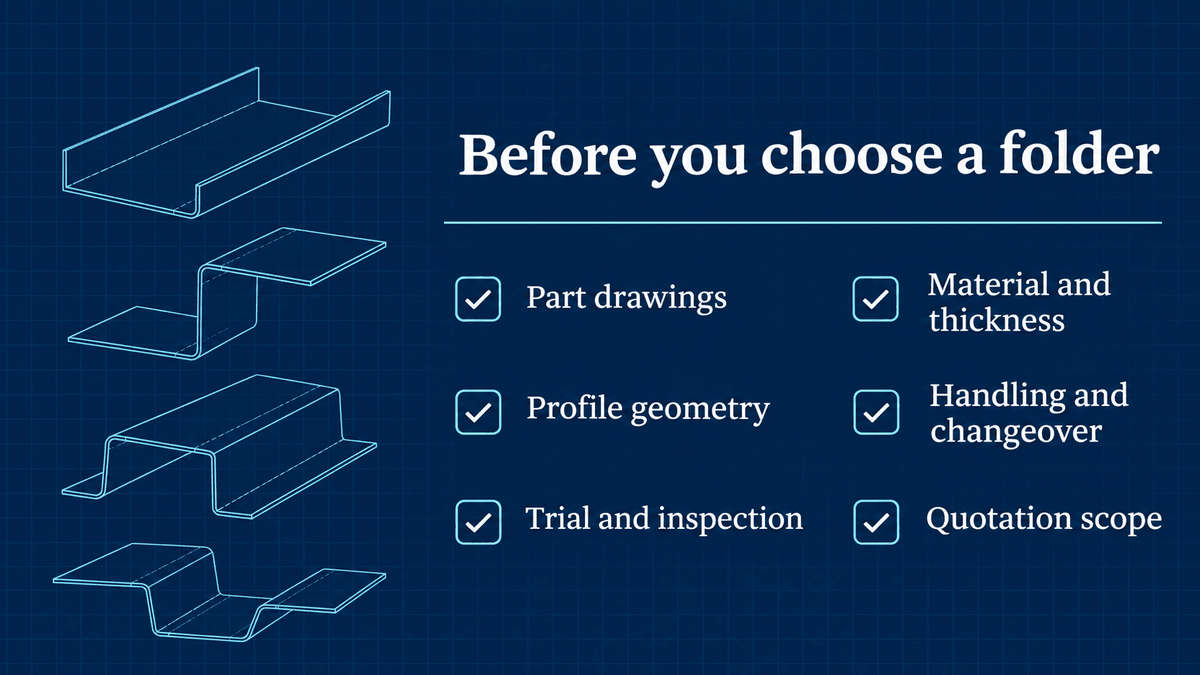
Use the checklist to compare part drawings, material and thickness, profile geometry, handling and changeover, trial and inspection criteria, and quotation scope. Select trial pieces that cover the important differences in the requirement pack. Define the materials, drawing revisions, inspection points, and reporting method in advance. Include visual requirements where the finished surface matters. The acceptance discussion should identify what will be measured and how the result will be reviewed.
A sheet metal folder sample report should connect each result to a specific part and setup. Retain the samples or clear photographs according to the agreed plan. Record deviations and the decisions made about them. If a setup changes during the trial, identify which sample demonstrates the final proposed arrangement.
Timing observations should use defined boundaries. State whether loading, positioning, forming, unloading, and changeover are included. Compare evidence from equivalent conditions. This helps the team avoid treating a short demonstration cycle as a complete production forecast for a different job mix.
Compare the quotation against the evaluated scope
Read the quotation beside the trial report and requirement pack. Identify the machine configuration, included equipment, documentation, and other agreed deliverables. Ask for written clarification where an item important to the project is unclear. The supplier's offer should make the proposed scope reviewable by purchasing and the technical team.
The sheet metal folder decision also needs a plan for unresolved requirements. Assign an owner to each open item and state what evidence will close it. Some questions may require an additional sample or a revised drawing. Keep those actions visible so that commercial discussion does not hide technical uncertainty.
Share your sheet metal folder requirement pack through the ARTITECT contact page. Include representative drawings and the production assumptions behind them. A focused inquiry makes it easier to discuss a suitable configuration and the evidence needed before approval.
Create a comparison row for every requirement that can change the buying decision. A row might ask for a demonstration of support on a representative long profile. Another might request written clarification of the supplied programming scope. State the evidence expected in each row and record the supplier response. This prevents a polished demonstration from outweighing an unresolved requirement simply because the gap is less visible during the visit. Keep this sheet metal folder review attached to the current requirement pack.
Questions for equipment buyers
Should I select equipment by maximum capacity first?
Capacity information helps screen candidates when its conditions are clear. A final assessment also needs the actual materials, geometry, handling, and inspection requirements. Ask the supplier to respond to representative parts from your own work. Keep the conclusion tied to the configuration and applications for which evidence has been provided.
How many trial parts should be included?
Choose enough to represent meaningful differences in the intended work. The selection should cover the features that influence the purchasing decision, rather than repeating several easy examples. Explain the purpose of each part and agree the evaluation scope with the supplier. A focused trial is easier to prepare, document, and compare.
What should happen when a requirement remains unresolved?
Record the requirement, the missing evidence, and the person responsible for the next action. Agree whether another sample, document, or technical discussion is needed. Keep the item visible in the comparison and quotation review. An unresolved question should remain traceable until the buyer has enough information to make a decision.
A sheet metal folder selection becomes clearer when every proposal answers the same practical questions. Use representative drawings, documented trial results, and a defined commercial scope to support the final equipment discussion.