
A sheet folding machine forms flat sheet metal into profiles by clamping the sheet and moving a folding beam to create controlled bends. That basic description is useful, but it does not explain the full buying decision. In roofing and architectural metalwork, the machine must also manage long parts, visible finishes, multiple bend directions, repeat jobs, and operator workload.
ARTITECT MACHINERY focuses on this more advanced production context. The company presents itself on its home page as a double folder factory, and its Functions page describes an automatic folding machine for roofers and contractors. The listed functions show that sheet folding is not only a bending action. It is a complete workflow involving controls, gauges, support, material handling, and safety.
What a Sheet Folding Machine Does
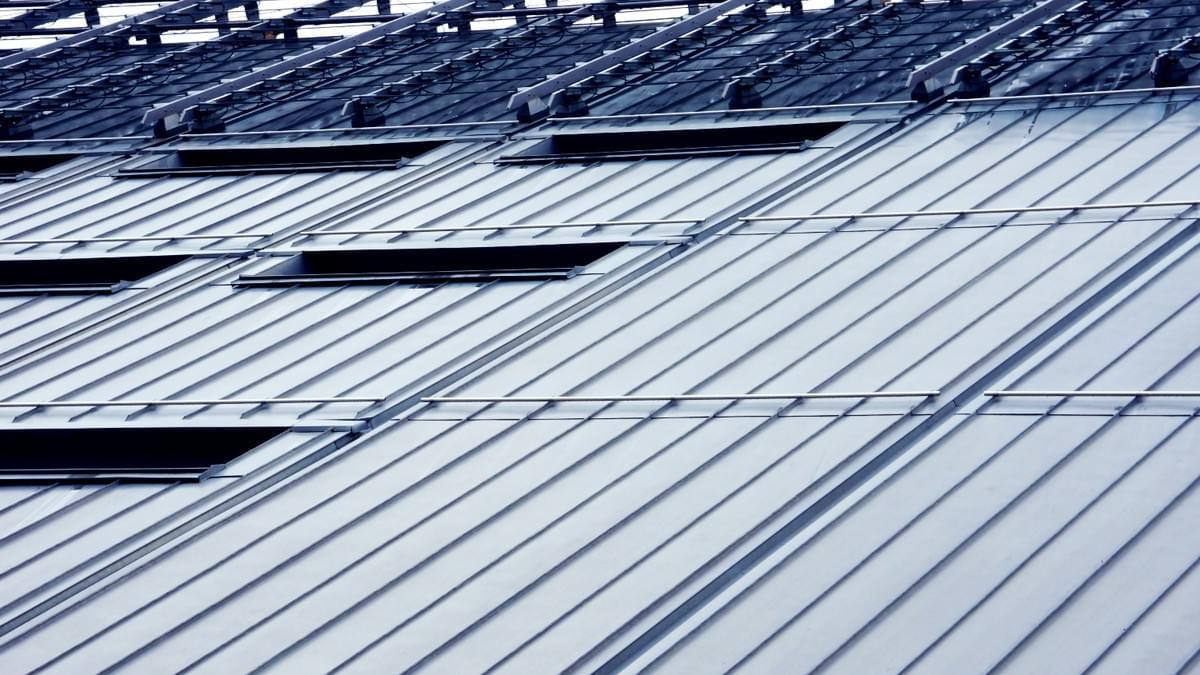
In simple terms, a sheet folding machine clamps the material and folds it along a straight line. The result may be a trim part, roof edge, box shape, wall panel detail, gutter component, parapet cap, coping, or custom architectural profile. Compared with some other bending methods, folding can be useful for long and finish-sensitive parts because the sheet can often be supported through the process.
The practical challenge is that a part is not finished after one bend. Many profiles require several bends, and each bend changes the way the workpiece sits in the machine. That is where support, gauging, programming, and bend direction become important.
Why Roofing and Architectural Work Is Different
Roofing and architectural sheet metal parts must often look good after installation. Scratches, inconsistent bends, or dimension errors can be visible on roof edges, facade lines, wall panels, and trim details. The work is also varied. A shop may run standard profiles in the morning and custom project parts in the afternoon.
Because of that variety, the machine should help operators repeat known jobs and handle new profiles without excessive trial and error. It should also reduce manual handling of long blanks, especially when material is coated or already partially formed.
Double Folder Design Adds Directional Flexibility
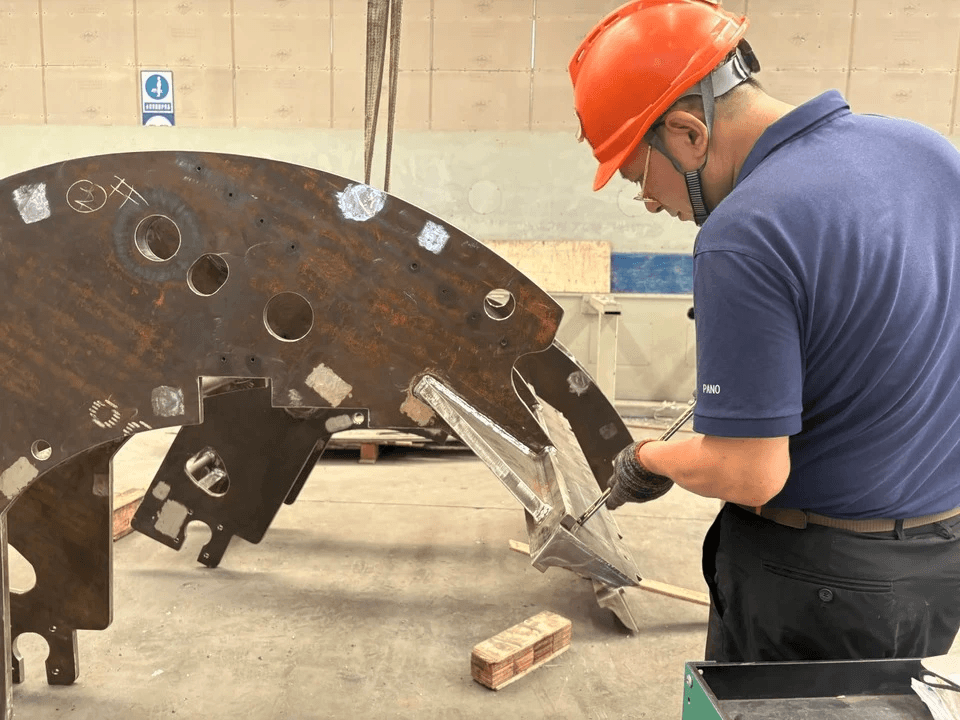
A double folder expands the sheet folding workflow by supporting bends in both upward and downward directions. This matters when a profile includes bends that face opposite ways. Instead of flipping the workpiece repeatedly, the machine can complete more of the sequence in a controlled setup.
RAS describes up and down bending as a method that can avoid material flipping when the bend direction changes. For a roofing shop, that can mean less handling, fewer scratches, lower operator strain, and better consistency on long parts.
CNC Control Makes Folding More Repeatable
Modern sheet folding machines often use CNC control, but good CNC is more than saved bend data. ARTITECT describes graphic control EFsys with touch-screen profile programming, automatic folding sequence, and collision simulation. These functions help operators plan the sequence and understand the next step before the material is damaged.
For repeat jobs, saved programming can reduce setup time and help different operators produce matching results. For custom jobs, sequence guidance can reduce uncertainty. In both cases, CNC should make the machine easier to trust under production pressure.
Gauging Turns a Program into a Part
A program cannot create a correct part if the blank is not positioned consistently. The backgauge and material gripper are therefore central to sheet folding accuracy. ARTITECT lists backgauge and material gripper functions, along with a tapered backgauge unit. These features help the machine position straight, offset, or tapered work more consistently.
Buyers should watch the gauging process closely during a demonstration. Is the blank easy to place? Does the gauge guide the operator clearly? Does the part remain stable as the sequence progresses? These questions reveal whether the machine can translate programming into repeatable production.
Material Thickness Adjustment Matters
Different sheet materials and thicknesses require different machine behavior. ARTITECT lists CNC material thickness adjustment so clamping tooling can be positioned according to the sheet. Jorns also describes automatic material thickness adjustment on its double bending machine materials. This type of function can reduce setup uncertainty when the shop changes material.
Thickness adjustment is especially important for shops that work with multiple architectural materials. The goal is not only to bend the material, but to bend it repeatably without damaging the machine, the tooling, or the finished surface.
Sheet Support Reduces Manual Work
Long blanks are difficult to handle by hand. They need support during loading, gauging, folding, and unloading. ARTITECT lists automatic extendable sheet loading and sheet support, automatic side sheet loading, and automatic part flipper functions. These systems can reduce the physical work operators must do around the bend.
NIOSH guidance on manual material handling notes that ergonomic interventions can reduce physical demands and may improve productivity and quality. In sheet folding, this is not theoretical. When support devices reduce lifting and awkward reaches, operators can focus more on the process and less on holding the part in place.
Useful Applications for a Sheet Folding Machine
Sheet folding machines are used across many types of metalwork, but the strongest applications for an automatic double folder often involve long or visible profiles.
- Roof trim: Fascia, rake trim, and edge profiles need straight, repeatable bends.
- Parapet and coping: Long multi-bend parts benefit from controlled gauging and support.
- Facade details: Visible components require finish protection and dimensional consistency.
- Gutter and box profiles: Deeper shapes may involve several bends and careful sequencing.
- Custom architectural parts: Small-batch variation benefits from clear CNC programming.
Safety in Sheet Folding
Sheet folding machines include moving beams, clamps, gauges, and large workpieces. OSHA's machine guarding overview emphasizes that hazardous machine parts and processes should be safeguarded. Buyers should discuss the machine's guarding, emergency stops, operator position, training requirements, and safe loading routine.
Safety and productivity are connected. A clear and guarded process helps operators run the machine consistently instead of improvising around uncertainty. This is especially important when the shop handles long or heavy parts.
How to Compare Machines in a Demo
A good demonstration should use real profiles, not only a simple sample bend. Buyers should bring a long trim part, a profile with bends in both directions, a finish-sensitive material, and a part that currently takes too much setup time. Watching those parts move through the machine reveals how the folder handles support, gauging, programming, and operator effort.
The most useful observations happen between bends. Does the operator need to lift the sheet? Does the part stay square? Does the control clearly show the next step? Does the support system prevent sagging? These details show whether the machine will make daily production easier after installation.
Where ARTITECT MACHINERY Fits
ARTITECT MACHINERY is relevant for buyers who want a sheet folding machine centered on roofing and architectural double folder applications. Its About Us page describes an expert-built automatic folding machine with production and architectural design experience behind it. That positioning aligns well with buyers who need profile flexibility and reliable shop workflow.
A productive inquiry should include real profile drawings, material types, working lengths, thicknesses, finish requirements, and current production bottlenecks. Buyers can start that conversation through the contact page.
Conclusion
A sheet folding machine is more than a tool for making bends. In roofing and architectural metalwork, it is a system for turning flat sheet into accurate, visible, repeatable profiles. The best machine supports the blank, guides the operator, manages bend direction, adapts to material, and protects the finished part.
For shops that produce long profiles or complex architectural details, a double folder can make sheet folding more controlled and less labor-intensive. The right evaluation starts with the actual parts, then asks how the machine improves the entire sequence from loading to finished profile.