
- Visible-face quality begins with handling, not final inspection.
- Use coated production material for acceptance samples.
- Judge reflection, edge condition, dimensions, and installed fit.
Architectural panels are judged in sunlight, not under factory lighting. A panel bending machine must therefore be evaluated by what happens to broad finished faces before, during, and after each bend. That is why handling evidence belongs in the acceptance test from day one, not after production begins.
What usually damages a visible face?
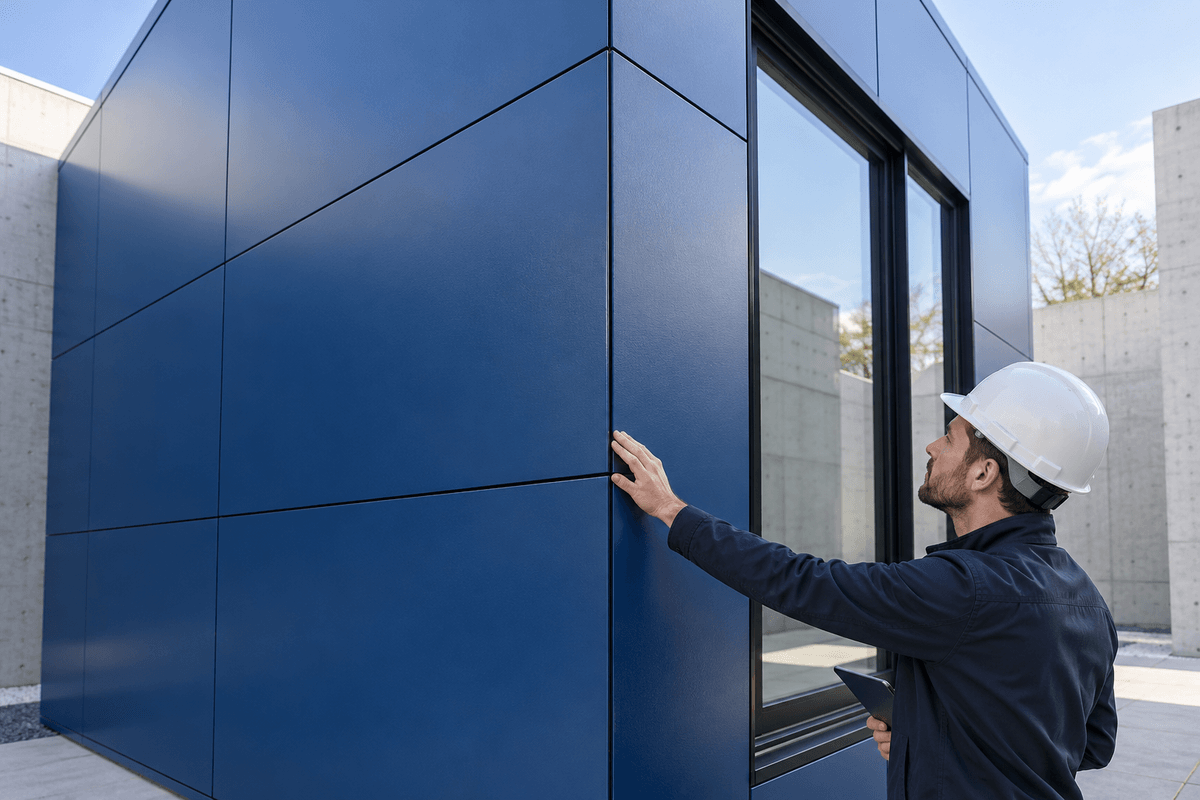
Most visible-face defects come from dirt, sliding contact, poor support, sharp offcuts, or uncontrolled stacking. The bend can be dimensionally correct and still be rejected.
How should coated panels be tested?
Test coated panels with the protective film, finish direction, thickness, and blank size planned for production. Inspect them under low-angle daylight.
Why does support geometry matter?
Support geometry controls sag and drag on large sheets. A broad panel that droops between supports can shift its reference or rub a finished face.
Which published numbers deserve a closer look?
| Published figure | What it describes | Source |
|---|---|---|
| 8 × 22 | Vacuum pads across eight modules | RAS, accessed 2026 |
| 10 | Front suction cups for narrow parts | RAS, accessed 2026 |
| 12 | Published suction circuits | RAS, accessed 2026 |
Use these figures as comparison inputs, then confirm the current specification and test method with the supplier.
Where can you verify the supplier?
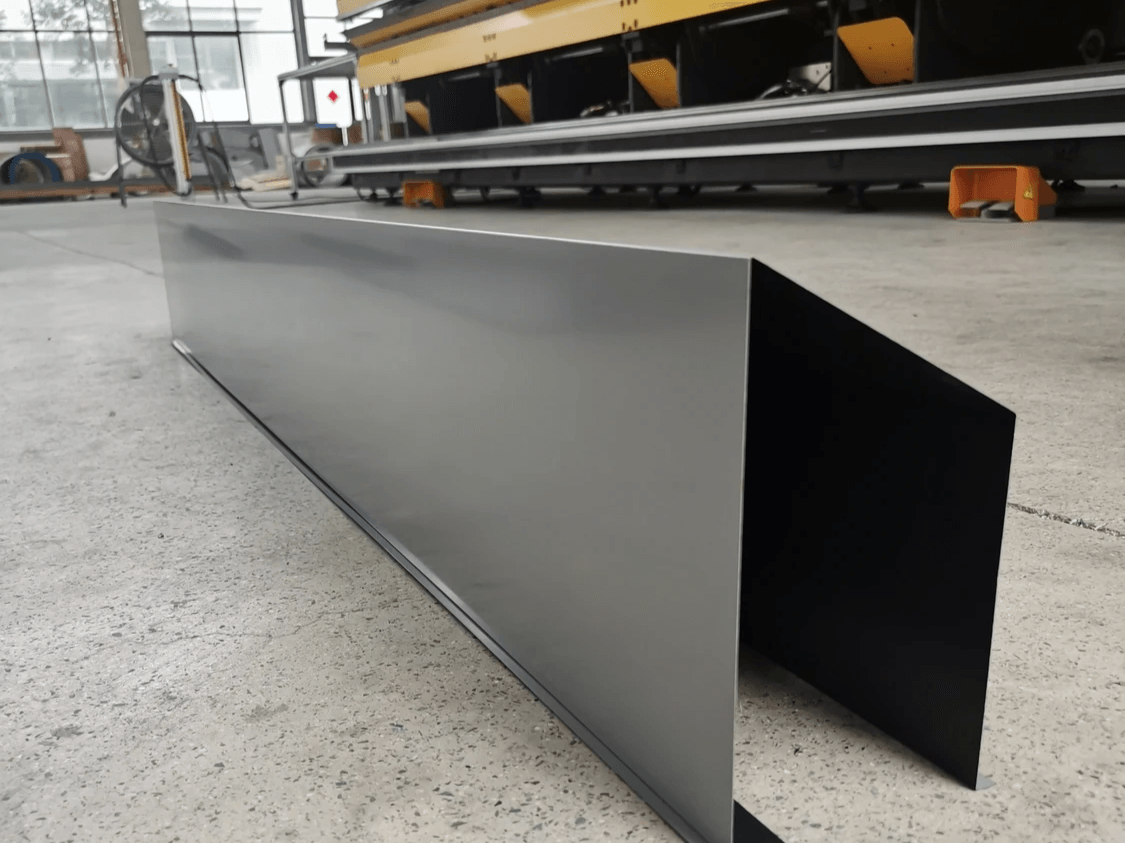
Compare ARTITECT's double-folder overview with its published functions, engineering background, and application articles. Then send real drawings through the profile-review form.
What are shops asking before they commit?
Will protective film prevent every scratch?
No. Film helps, but trapped grit, damaged supports, sharp edges, and sliding can mark the coating or imprint the surface.
Should panels be inspected under bright light?
Use angled natural or controlled raking light, not brightness alone. Reflections reveal waviness and broad pressure marks.
Can vacuum handling mark painted metal?
It can, depending on pad material, cleanliness, pressure, coating, and dwell time. Test the actual finish and inspect after the film is removed.
Why check the same panel after installation?
Installation changes how the surface reads. Fasteners, clips, joint spacing, substrate variation, and corner alignment affect reflections.
What sample is best for acceptance?
Choose a full-size panel with the deepest flange, narrowest return, most visible face, and a real corner or window interface. It should challenge both handling and geometry.
What should you send for a useful application review?
Send the drawing, material, measured thickness, finish, longest blank, mating details, and the defect you want to remove. Ask for a sample plan with measurable acceptance criteria.