
- Trace the ordered configuration to controlled drawings and records.
- Run representative customer profiles during factory acceptance.
- Record failures, corrections, retests, backups, and open site items.
A factory tour is easy to stage. An automatic folding machine factory audit becomes useful only when you follow one ordered system from released specification through assembly, testing, profile evidence, and handover. The point is traceable evidence, not presentation.
What should document control reveal?
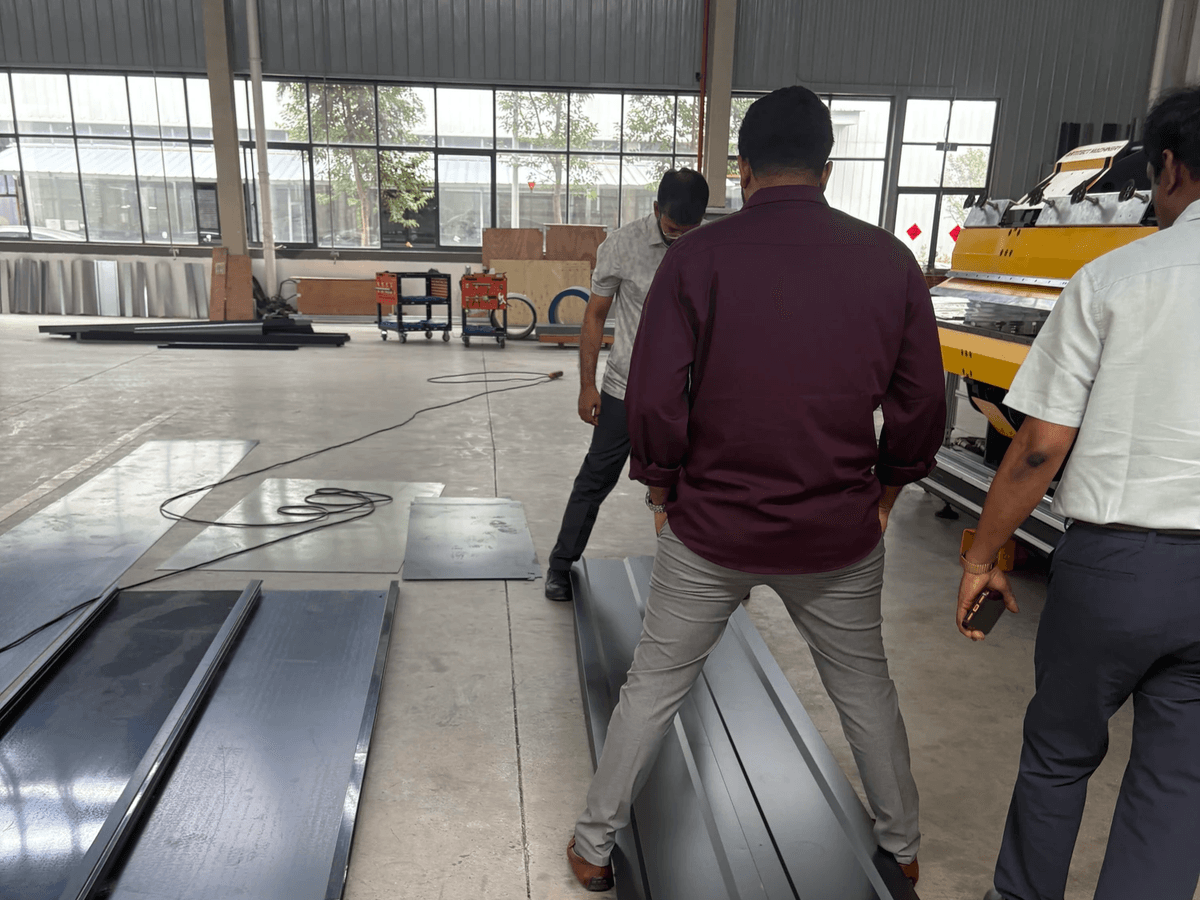
Document control should reveal the ordered configuration, revision status, software version, purchased components, and approved changes. Ask how the serial-number record connects those items.
Which assembly checks deserve evidence?
Evidence should cover structural alignment, mechanical installation, hydraulic routing, electrical work, guarding, and calibration before later covers hide access. Review completed checkpoints and open deviations.
How should a factory acceptance test be written?
A factory acceptance test should link each requirement to a method, measurable criterion, result, witness, and retest status. Use your materials and profiles.
Which published numbers deserve a closer look?
| Published figure | What it describes | Source |
|---|---|---|
| 72 dB | Published hydraulic operating level | ARTITECT, 2026 |
| 10 years | Published parts-supply commitment | KNUTH, accessed 2026 |
| 12 | Published suction circuits on a bending center | RAS, accessed 2026 |
Use these figures as comparison inputs, then confirm the current specification and test method with the supplier.
Where can you verify the supplier?

Compare ARTITECT's double-folder overview with its published functions, engineering background, and application articles. Then send real drawings through the profile-review form.
What are shops asking before they commit?
Is a factory demonstration the same as FAT?
No. A demonstration shows selected functions under supplier-controlled conditions.
Which profiles should run during FAT?
Run parts that represent the hardest production work: long coated profiles, opposing bends, narrow returns, deep sections, tapers, and mating corners. Include the actual material range.
Should safety checks be part of FAT?
Yes. Test the agreed safety functions and document the result, while recognizing that final site conditions also matter.
What happens when a FAT item fails?
Record the failure against its requirement, assign corrective action, and repeat the test after correction. Do not erase the first result.
Can training happen during factory acceptance?
Some training can start during FAT, especially programming and profile review, but it should not replace site instruction. Operators need practice in their own workflow with local materials, handling routes, maintenance routines, and the final installed configuration.
What should you send for a useful application review?
Send the drawing, material, measured thickness, finish, longest blank, mating details, and the defect you want to remove. Ask for a sample plan with measurable acceptance criteria.