
Sheet metal trimming can correct blank width, create a clean edge, or prepare a profile for a hem or lap. It should not become a substitute for controlled drawings and reliable blank preparation. Every removed strip changes the dimensions available for the finished part.
Start with the Finished Profile
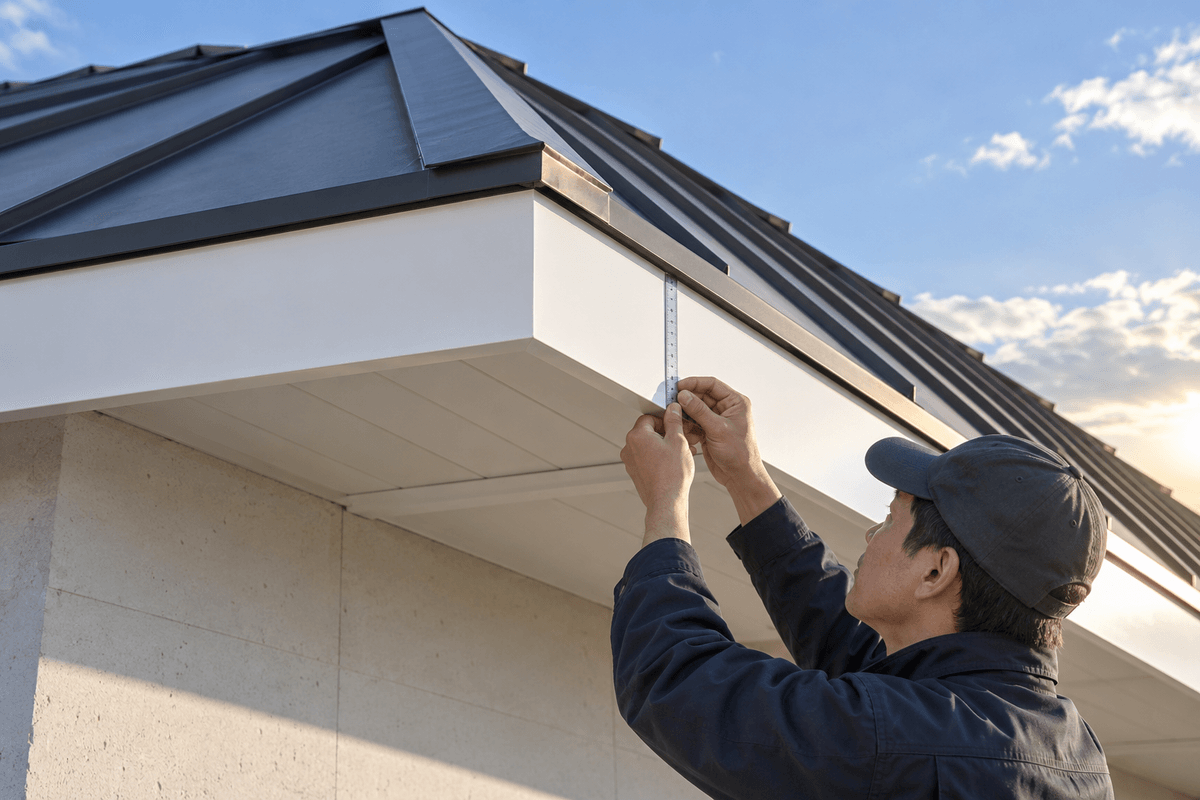
Identify the dimensions that control installation: face width, return depth, hem, lap, open angle, and overall developed width. Mark the visible face and edge that will remain exposed. This keeps trimming decisions tied to the final assembly.
Separate Planned Trimming from Correction
A planned trim allowance belongs in the drawing and material record. A corrective trim should trigger a review of why the blank is wide: drawing revision, stock tolerance, layout error, or process change. Record the cause before repeating the adjustment.
Check Edge Condition
- Confirm the edge is straight over the full part length.
- Remove sharp burrs without damaging the coating.
- Protect the visible face from dragged offcuts.
- Verify that the remaining width supports every bend.
- Inspect the edge again after hemming or joining.
Control Long, Narrow Offcuts
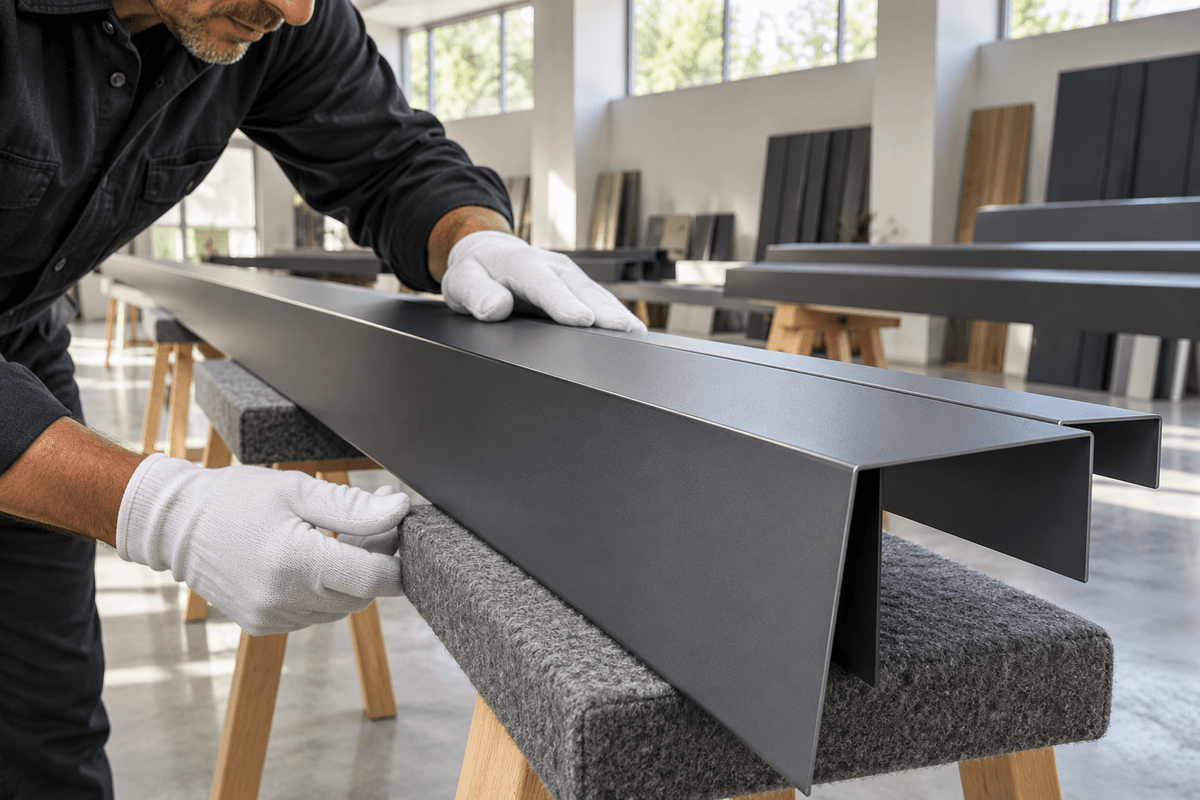
Long strips can spring, twist, or catch adjacent surfaces. Provide a defined collection path and keep hands away from uncontrolled edges. Waste handling should not cross the route used for finished coated profiles.
Approve the First Completed Part
Do not approve trimming by measuring the blank alone. Fold the full profile, check critical faces and returns, and test its corner or lap. A blank may meet width tolerance while the assembled detail still exposes an incorrect edge.
Use Correction Data to Improve Layout
Track repeated trimming by profile, material, and revision. If the same correction appears several times, update the controlled blank information rather than preserving an avoidable extra step.
Connect Trimming with the Folding Sequence
ARTITECT's automatic folding function overview includes integrated electric slitter functionality alongside graphic control, thickness adjustment, and material handling. The useful review is how edge correction affects the completed architectural profile.
Share a Profile with a Width Problem
Send the drawing, blank width, material, finish, current correction, and photographs of the installed joint through the ARTITECT trimming and profile review. A complete example helps separate layout issues from handling or sequence problems.
Conclusion
Controlled trimming supports clean edges and accurate parts when it remains connected to the finished profile. Planned allowances, safe offcut handling, full-part approval, and correction records prevent trimming from becoming hidden rework.