
A long edge folding machine is often considered for fascia, coping, box gutters, facade trim, and other profiles that must read as a continuous line on a building. Length is only useful when the finished part remains straight, clean, and manageable.
Small Errors Become Visible Over Distance
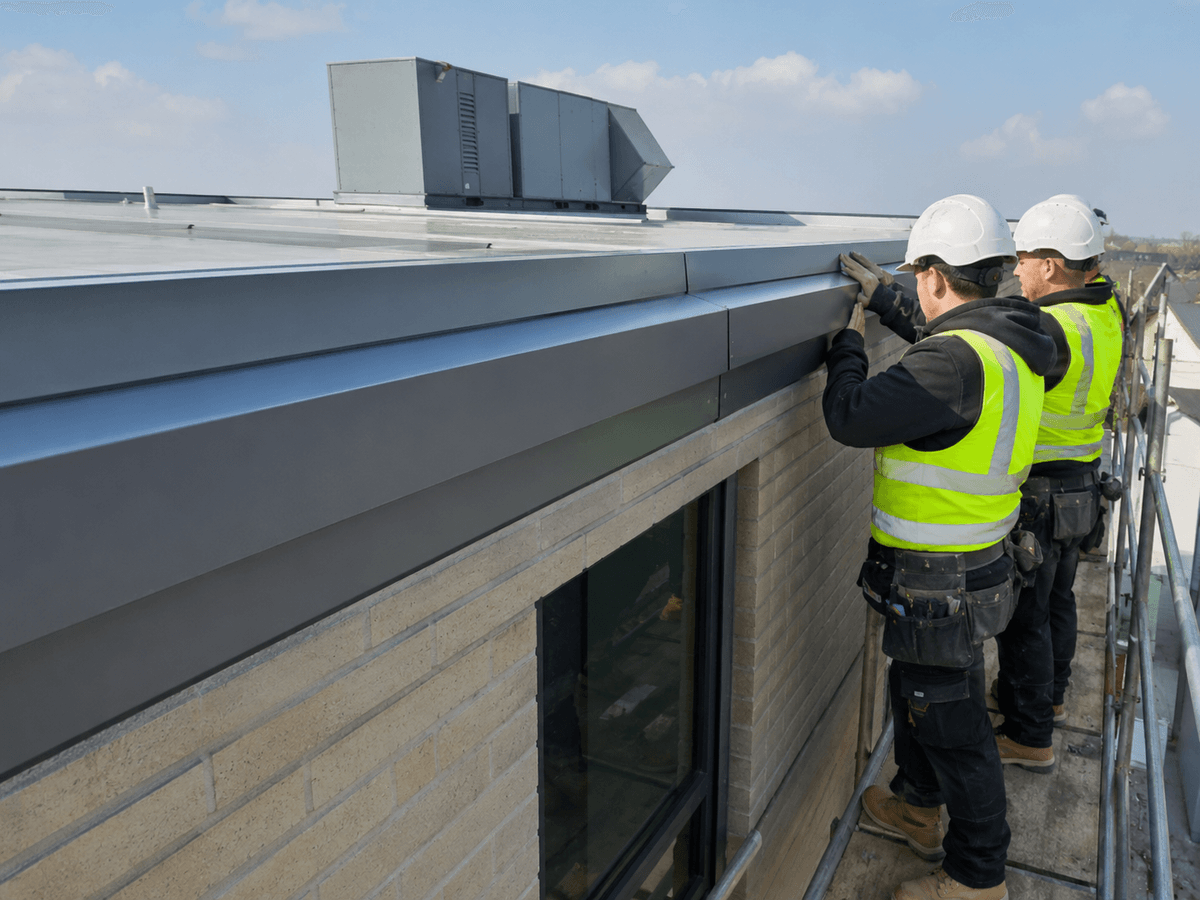
A minor variation can become obvious along a long roof edge or panel run. Bow, twist, inconsistent returns, and surface marks may complicate alignment even when each local dimension appears close to the drawing.
Support Protects Shape and Finish
Long blanks and profiles create leverage. Stable support helps control the sheet before, during, and after each fold. It also reduces unnecessary dragging across contact surfaces, which matters for prefinished architectural metal.
Inspect in More Than One Way
- Sight along the full edge under even light.
- Check flange dimensions at several positions.
- Place repeated parts together to compare returns.
- Test corner and lap details on a project mock-up.
- Inspect the visible face before packing.
Handling Continues After Folding
A straight profile can still be damaged by poor stacking or lifting. Use padded supports at sensible intervals, protect corners, and avoid placing short heavy parts on long visible profiles. Delivery planning should match the profile length.
Connect Length to the Project
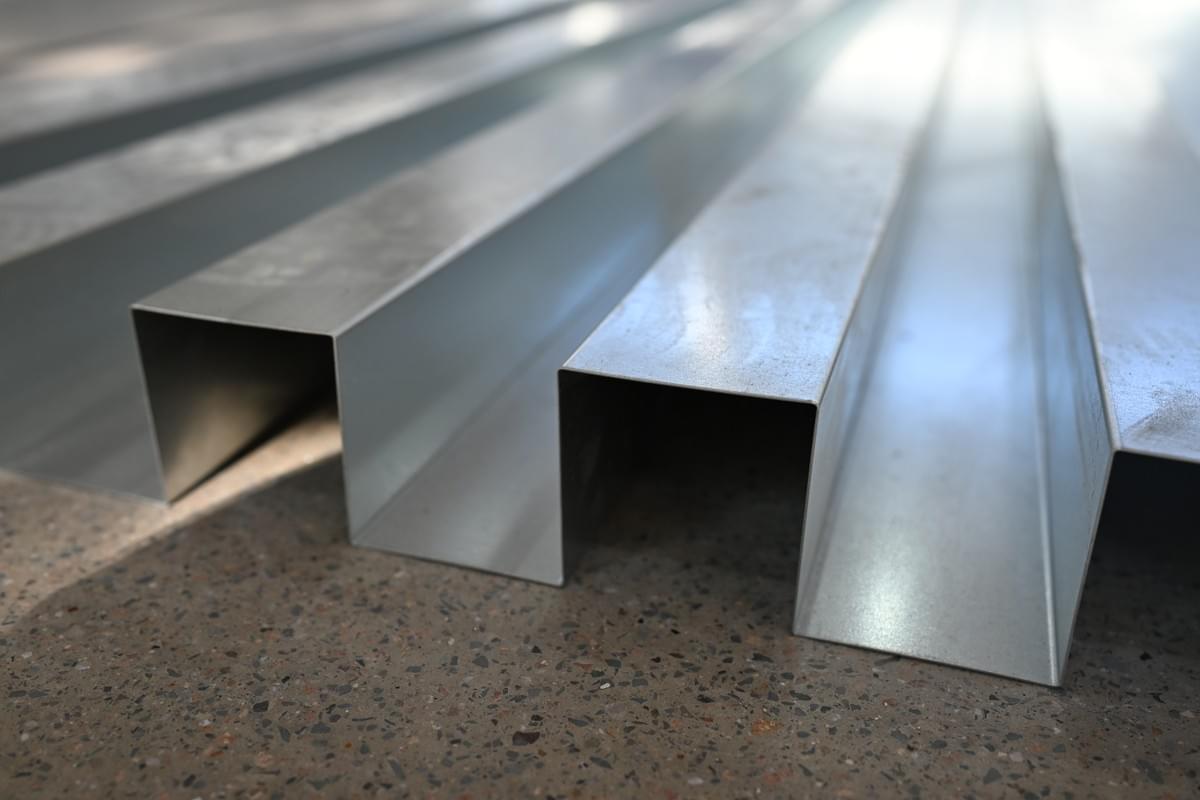
The ARTITECT long-profile workflow functions provide a starting point for discussing support and automatic folding. Send profile drawings, material details, and installation photos through the long-profile application consultation.
Conclusion
Long edge folding is successful when a profile arrives at the building straight, unmarked, and ready to align. Capacity, support, inspection, and transport all contribute to that result.