
A folding machine for factories has to fit the flow around it. Sheet storage, blank preparation, profile forming, inspection, packing, and dispatch all affect whether the investment improves production or simply moves the bottleneck.
The ARTITECT double folder factory overview focuses on automatic folding. For factories serving roofing and facade work, the useful question is how that capability connects to a changing daily schedule.
Map a Normal Production Day
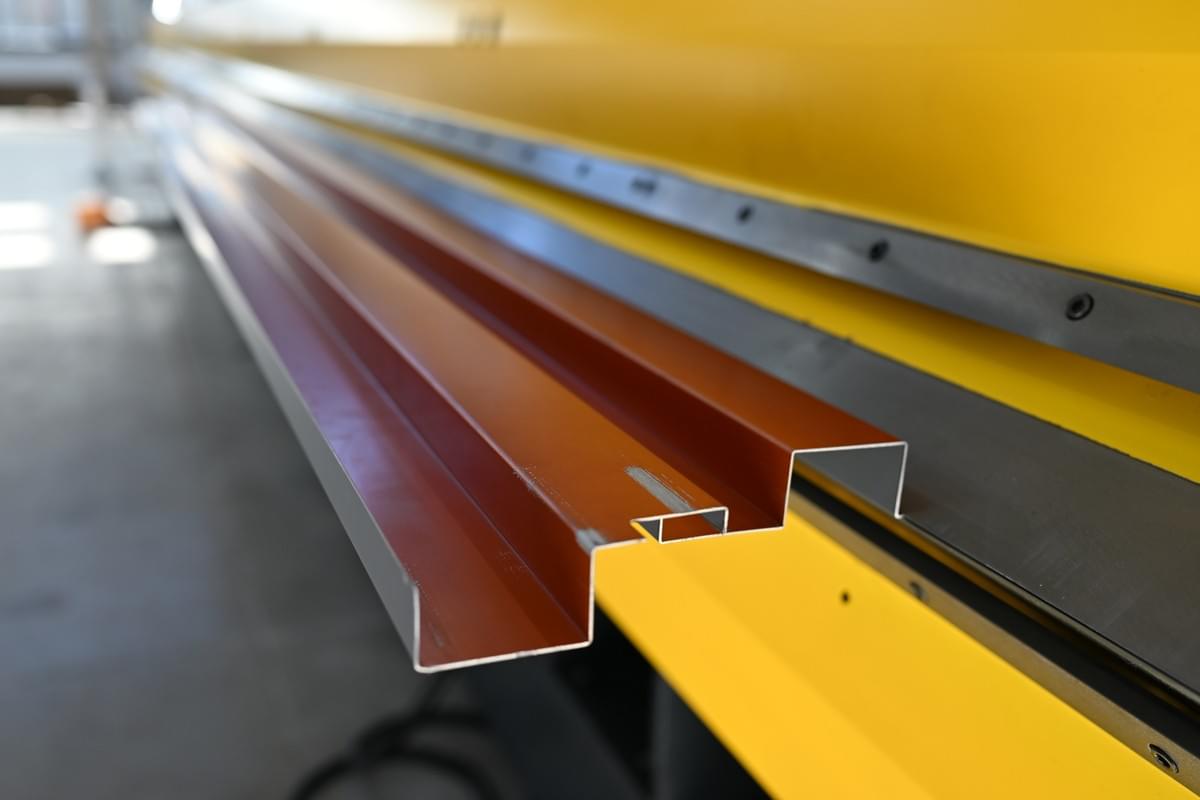
List the profiles, lengths, materials, and batch sizes that pass through the department during a typical week. A plant making ten identical parts has a different need from one switching repeatedly between gutters, fascia, coping, and facade trim.
Give Long Parts a Clear Route
Long profiles need room before and after folding. Mark sheet travel, operator positions, inspection space, and the route to packing. Congested staging can erase gains made during forming and increase the chance of finish damage.
Plan Around the Whole Shift
- Group compatible materials and colors where practical.
- Keep current drawings and profile programs controlled.
- Provide padded support for visible coated surfaces.
- Separate accepted parts from items awaiting inspection.
- Track setup time as well as forming time.
Make Changeovers Easy to Repeat
Factories rarely run one profile forever. Clear job naming, controlled dimensions, and consistent material notes help operators return to a proven setup. The automatic folding workflow guide identifies support and control features worth discussing during layout planning.
Use Finished Parts to Validate the Layout
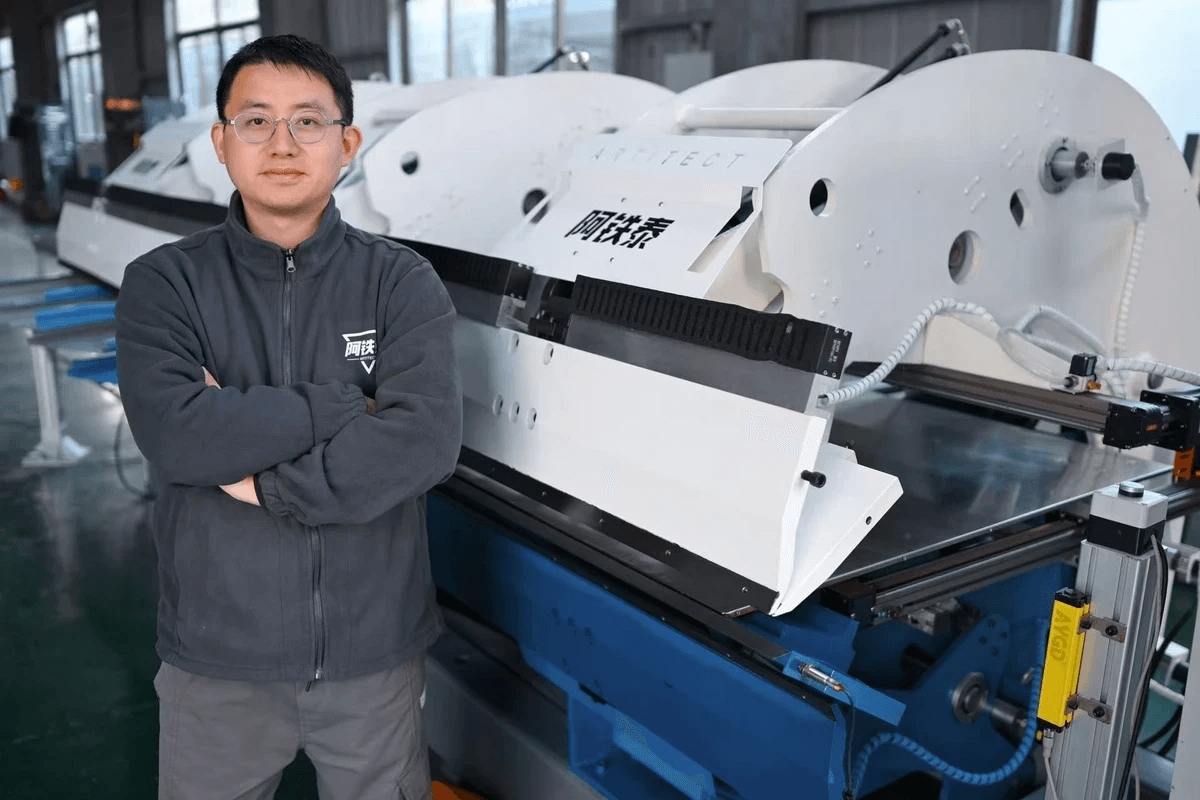
Run a representative batch, then follow it through inspection and packing. Watch where people wait, where profiles cross paths, and where protective film or finished faces are exposed to damage.
Conclusion
A folding machine supports factory output when product mix, floor flow, staffing, and staging have been planned together. The goal is a smooth route from flat sheet to labeled, protected, installation-ready profiles.