
A hydraulic sheet metal folder should be evaluated through the consistency of its finished profiles. Hydraulic force is part of the system, but material support, control settings, mechanical condition, and operator procedure all influence the result.
ARTITECT MACHINERY lists hydraulics among the functions supporting its automatic double folder concept. Its folding function overview helps shops connect individual features to a complete production sequence.
Controlled Motion Supports Repeat Work
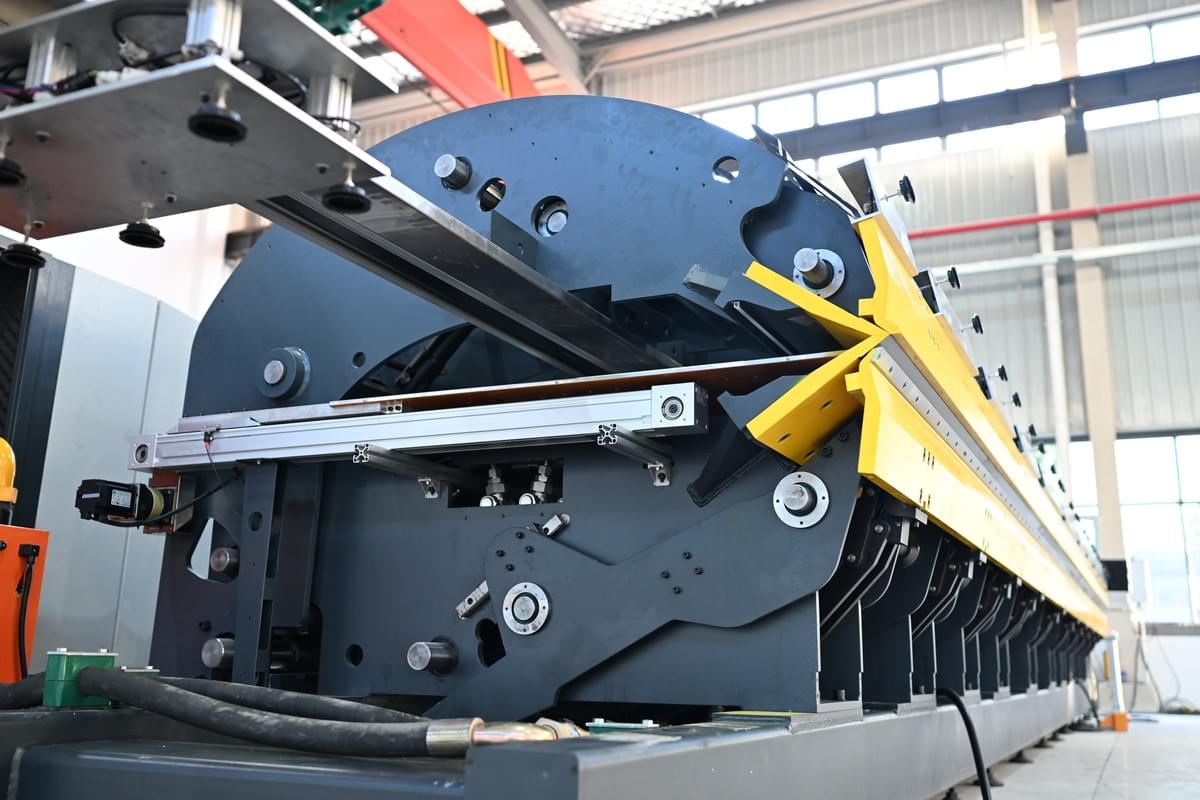
Roof and facade shops frequently produce families of similar parts. Smooth, consistent movement helps make the forming sequence predictable, especially when a job includes repeated returns, hems, and opposite-direction folds.
Material Still Changes the Outcome
Steel, aluminum, zinc, and coated sheet do not respond identically. Thickness variation, temper, grain direction, and protective film can affect the finished angle. Proven settings should be linked to a clearly identified material specification.
Verify Results Across the Batch
- Measure the first approved profile and later samples.
- Compare angles and flange lengths at both ends.
- Inspect coated faces for pressure or handling marks.
- Check mating pieces together at corners and laps.
- Record changes when a material batch differs.
Maintenance Protects Process Stability
Fluid condition, leaks, filters, hoses, connections, and operating temperature should be handled according to the supplier's maintenance instructions. Operators should report changes in motion, sound, or profile consistency before they become larger production problems.
Discuss the Profile, Material, and Volume
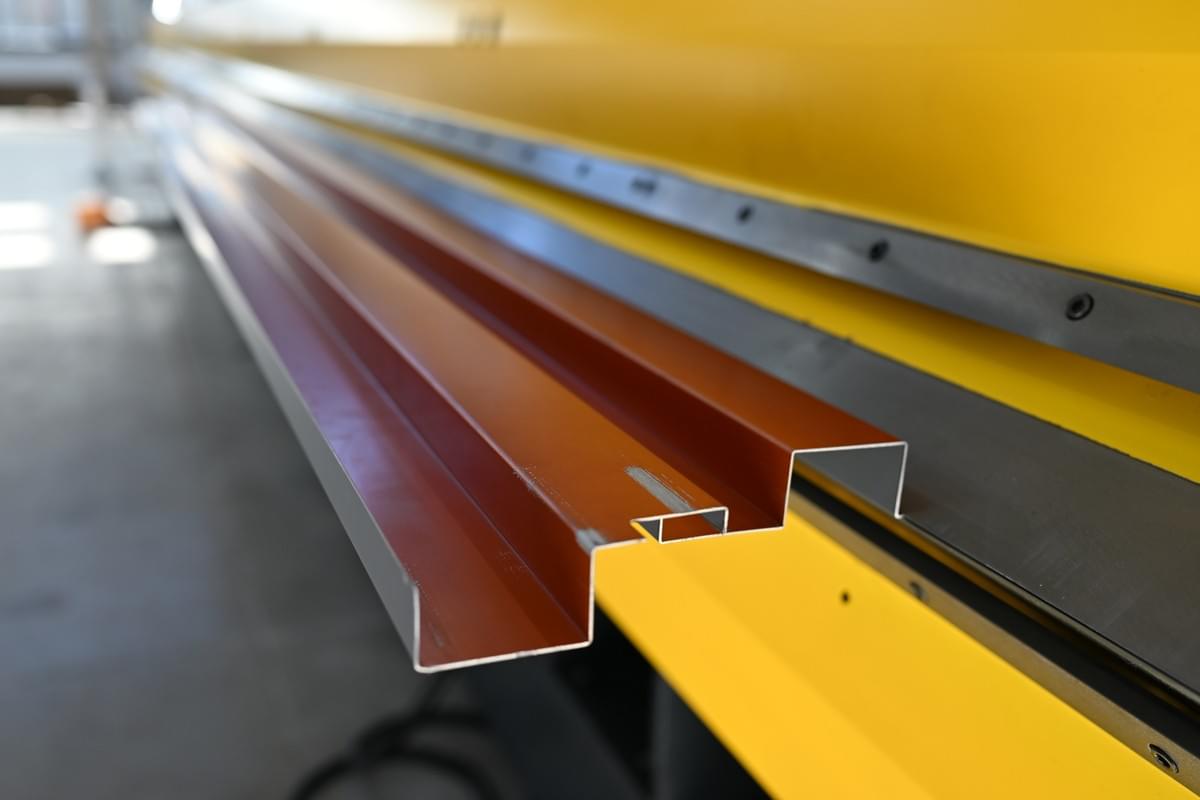
Use the ARTITECT hydraulic folding application form to share drawings, material grades, thickness ranges, finishes, and expected batch sizes. That information gives the technical discussion a useful production context.
Conclusion
Hydraulic control matters because it contributes to stable, repeatable movement. Its real value is visible in matching parts, protected finishes, and profiles that fit without avoidable correction.