
Many shops ask, how does upgrading to an automatic CNC folder improve sheet metal fabrication productivity? The best answer is not only faster bending. Productivity improves when setup is clearer, long parts are easier to handle, repeat profiles are more consistent, and operators spend less time correcting preventable problems.
ARTITECT MACHINERY's automatic folding machine function guide lists graphic control, automatic folding sequence, collision simulation, CNC material thickness adjustment, dynamic folding, backgauge and gripper systems, automatic support, side loading, and part flipping. Those features connect CNC control to real fabrication workflow.
Productivity Is More Than Cycle Time

Cycle time matters, but many fabrication delays happen around the bend. Operators may search for setup notes, reposition long blanks, flip parts repeatedly, inspect corrections, or remake profiles that do not fit. An automatic CNC folder can improve productivity when it reduces those hidden delays.
Where the Gains Usually Appear
- Stored programs for common roof and facade profiles.
- Clearer bend sequences for operators.
- More repeatable blank positioning through gauging and gripping.
- Less manual handling of long coated parts.
- Fewer fit problems when parts reach installation.
Better Setup Supports Smaller Batches
Architectural sheet metal work often includes small batches and frequent changes. A shop may switch from coping to fascia, then to cladding trim or gutter parts. If every changeover relies on memory and manual notes, time disappears quickly.
CNC control and graphic guidance can help operators repeat proven sequences. That does not remove the need for skill, but it gives skilled workers a clearer process to follow.
Less Handling Can Improve Throughput
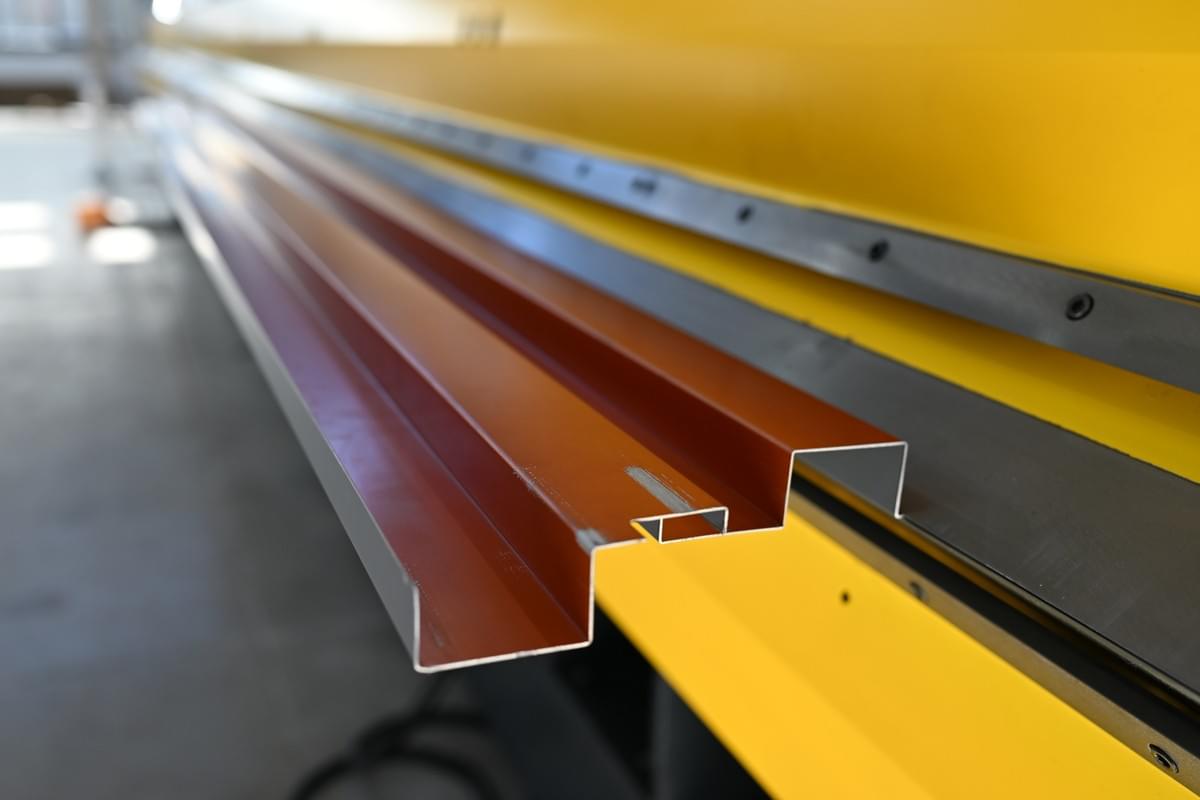
Long profiles create fatigue and variation when they are moved too often. Automatic support, side loading, gripper positioning, and part flipping can reduce awkward movements. NIOSH material handling guidance supports the value of reducing repeated physical demands; in fabrication, that can also mean steadier production and cleaner surfaces.
Measure the Upgrade Against Real Jobs
Before upgrading, shops should measure the work they actually run. Compare the current process against a CNC folder workflow using several representative profiles.
- Time from drawing or program selection to first good part.
- Number of people needed to handle long profiles.
- Repeat quality across five or more finished parts.
- Surface condition after production and staging.
- Installation feedback from roof or facade crews.
Discussing an Upgrade with ARTITECT
To make an upgrade conversation practical, send ARTITECT profile drawings, current setup steps, material thicknesses, blank lengths, finish requirements, and production bottlenecks through the ARTITECT project consultation form. That gives the team a clear basis for discussing productivity in your actual workflow.
Conclusion
An automatic CNC folder improves productivity when it shortens setup, reduces handling, repeats profiles more reliably, and helps finished parts reach the job site clean and ready to install. For roofing and architectural sheet metal shops, the upgrade should be measured in usable parts, not just faster motion.