
An automatic plate folding machine can help sheet metal shops move from manual handling toward a more controlled workflow. For roofing and architectural work, the value is not only the fold itself. It is the way long blanks are positioned, supported, sequenced, inspected, and prepared for installation.
ARTITECT MACHINERY presents a double folder factory overview and explains practical functions in its automatic folding machine function guide. Features such as graphic control, dynamic folding, CNC material thickness adjustment, backgauge and gripper systems, sheet support, side loading, and part flipping are most useful when they solve real profile-handling problems.
Start with the Part, Not the Specification
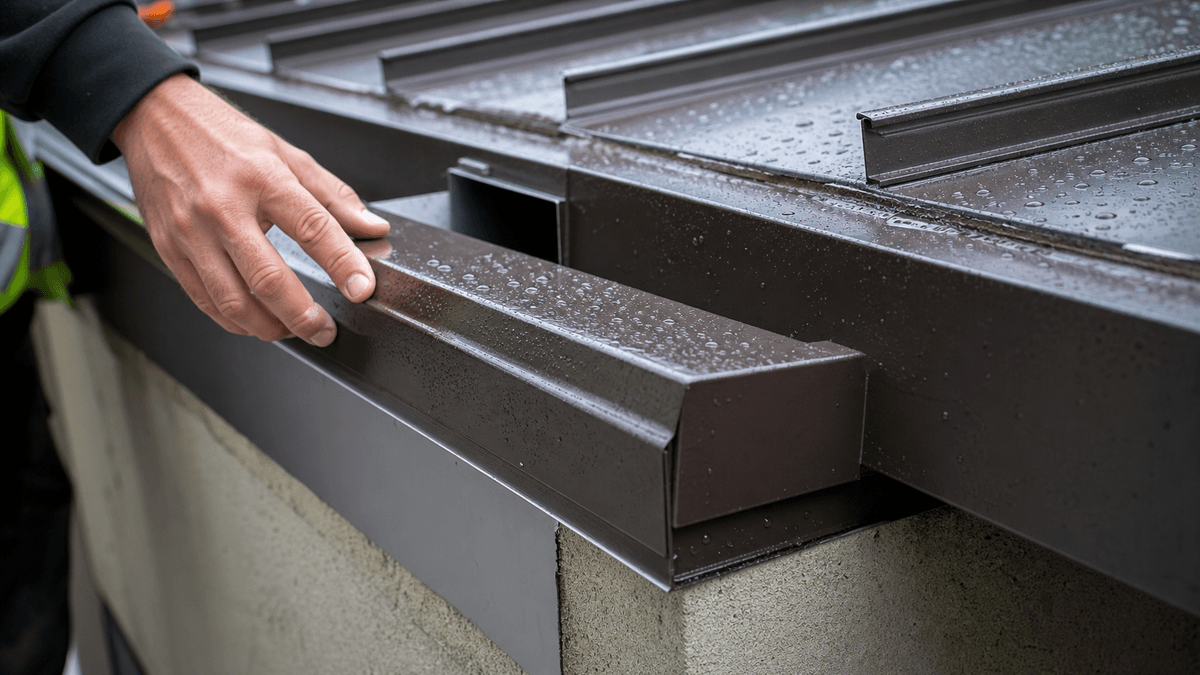
Roof fascia, parapet coping, cladding trim, box gutters, and rake profiles all ask different questions of the folding process. Some are long and flexible. Some use coated material. Some need bends in more than one direction. A productive evaluation starts with the profiles your shop actually makes.
Where Automation Helps Daily Work
- Repeating common roof and facade profile dimensions.
- Reducing awkward handling of long coated blanks.
- Helping operators follow a clear bend sequence.
- Supporting more consistent flange widths across project sets.
- Protecting visible surfaces before parts reach the job site.
Good Folding Is Also Good Staging
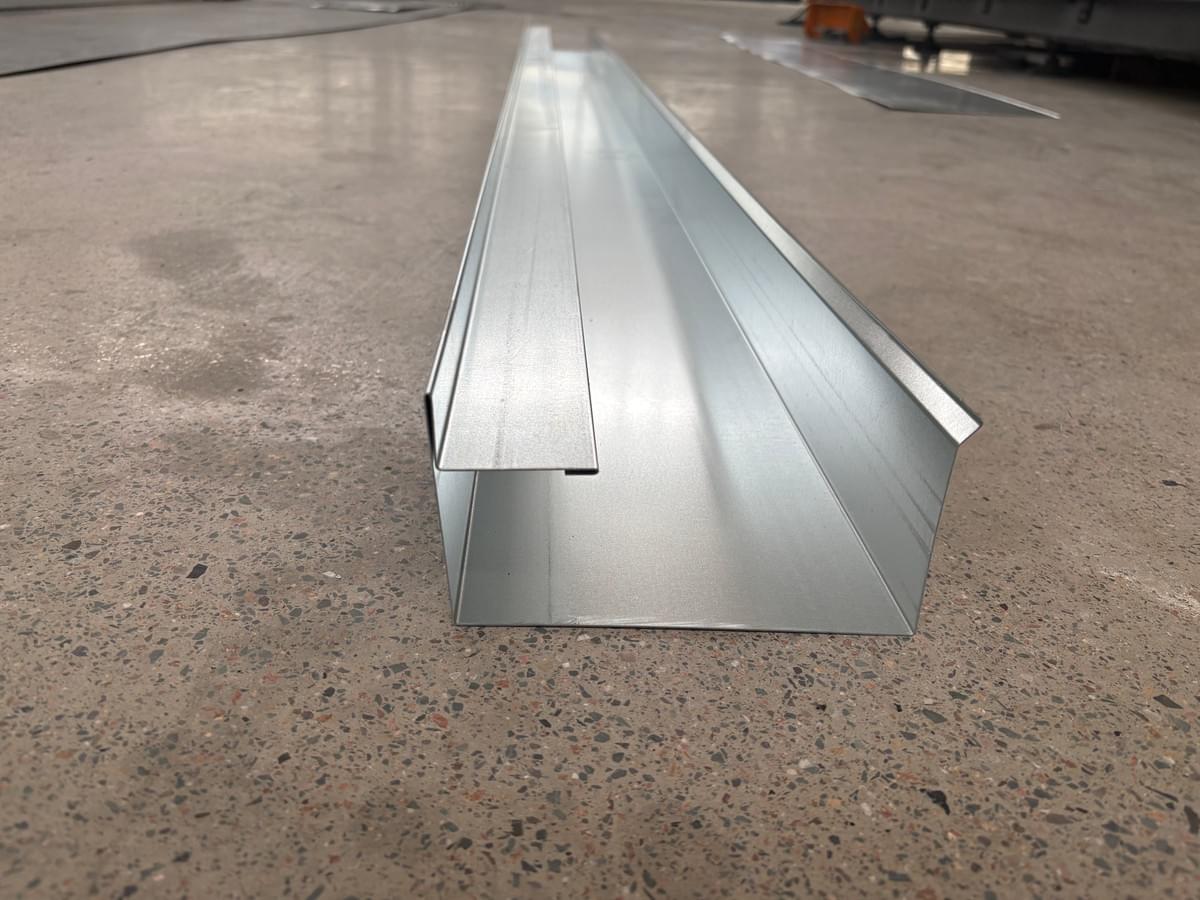
Finished architectural profiles often travel from the shop to a roof or facade project. If parts are stacked poorly, scratched during movement, or mixed out of sequence, productivity can be lost after production is already complete. A better workflow thinks about inspection, padding, labeling, and project grouping.
NIOSH material handling guidance supports the practical value of reducing repeated physical strain. For long metal profiles, that also means fewer rushed movements and better surface control.
What to Test Before Choosing
Run a trial with full-size parts whenever possible. A short sample does not show how a long coated profile behaves. Include one simple repeat profile and one more difficult shape that includes several bends.
- Check whether repeated parts match after several runs.
- Inspect surface finish under clear light.
- Watch how the operator handles the part before and after folding.
- Confirm whether common profiles can be recalled later.
Making the ARTITECT Conversation Practical
Shops can send drawings, material thicknesses, blank lengths, finish requirements, and current handling issues through the ARTITECT project consultation form. That helps connect automatic folding functions to the production problems behind roof and facade parts.
Conclusion
An automatic plate folding machine should improve the full profile workflow, not only the moment of bending. For architectural sheet metal shops, the strongest results come from repeat setup, controlled handling, clean surfaces, and finished parts that are easy to install.