
A sheet metal profile can look correct at the first bend and still fail when a return flange comes close to the tooling. The machine needs to hold the blank, position it from a reliable datum and leave enough room for the rest of the profile to move. If you buy a double folder for architectural fabrication, evaluate folding machine parts in that sequence. A list of components is helpful only when you can connect each component to a result on a part your shop makes.
Bring a drawing and representative blanks to the demonstration. A short, simple sample is useful for orientation, but it should not be the only evidence. Include a long profile that shows whether dimensions stay consistent across the length, a short return that limits clearance and an asymmetric profile that makes it easy to identify the wrong orientation. Agree on the features you will measure and the measurement method before you start.
Folding machine parts that hold the sheet at the bend line
The clamping assembly holds the sheet at the bend line while the folding beam moves the exposed flange. Examine which surface contacts the workpiece and how the tooling geometry affects access to the next bend. A shape with a tall return can create an interference problem even when every flange on the drawing is within the nominal dimensions of the machine.
Ask the supplier to show the shortest relevant flange on an actual blank. Check whether the blank can be seated and supported without an operator reaching into the working area. For painted or finished material, inspect the contact area under ordinary shop lighting and agree on what counts as unacceptable marking. If you use protective film in production, run the sample with that film and identify it in the inspection record. The outcome can depend on the material and finish as well as the tooling.
Clamping tooling should also be part of a repeatability test. Run a few pieces after setup, remove the material and load another blank from the same lot. Measure the features from the same datum each time. If a piece shifts, determine whether the issue started at positioning, clamping or handling. Adjusting multiple folding machine parts before recording what moved makes it harder to identify the cause.
Folding beams need clearance through the complete sequence
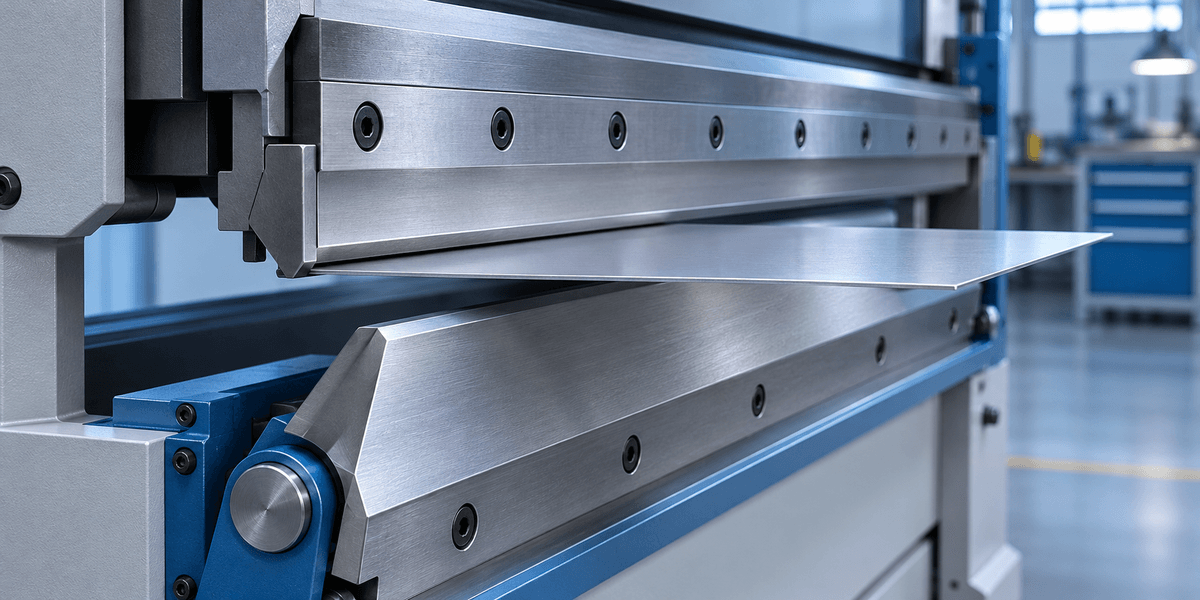
A double folder uses folding motion in both directions so that the operator can form profiles with opposing flanges. For procurement, check the clearance around the upper and lower folding tools at the point where each motion occurs. The relevant question is whether the already formed flanges can clear the machine throughout the programmed sequence.
Ask for a demonstration of the entire profile. Mark the front and back of the blank, then follow the marked face as the part advances through the cycle. Watch what happens during the return bend and at any repositioning point. If a different sequence is needed for a certain profile, record that sequence and rerun the complete sample. A workaround that produces one piece during a demonstration may require additional handling in routine production.
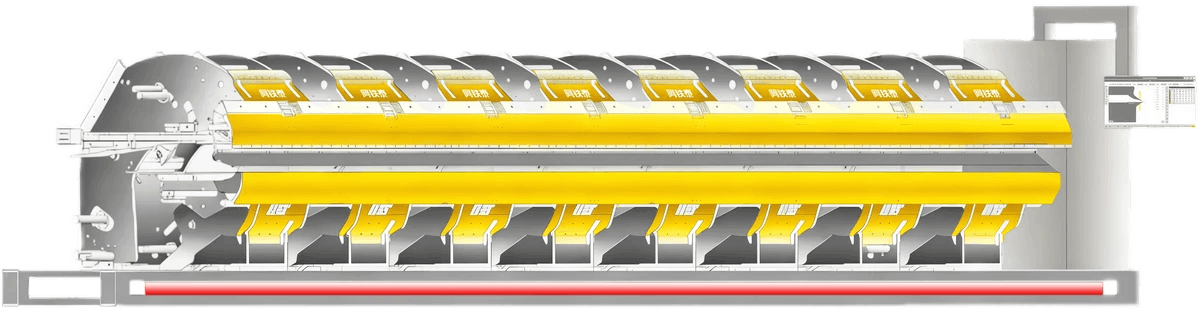
The ARTITECT machine functions page describes the tooling arrangement and workspace design for its automatic double folders. Use the machine functions information to decide which folding machine parts to inspect on the proposed configuration. The demonstration should establish whether your own profiles clear the tooling.
Backgauge and grippers establish the position of the blank
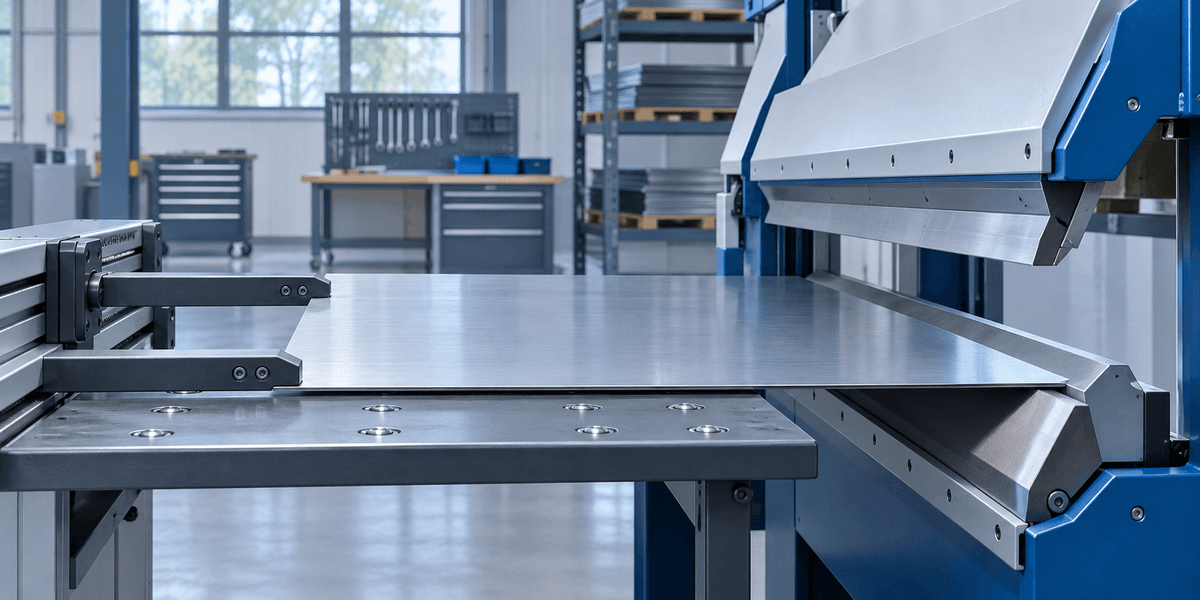
The backgauge provides a positioning reference. A gripper can hold and reposition the sheet as the program advances. Gauge accuracy alone cannot tell you whether the blank uses the right reference edge or whether a formed flange makes that edge inaccessible later in the sequence.
Identify the datum on the drawing and mark the matching edge on the blank. Ask the supplier to show how the machine positions the first bend and how it locates the sheet after a flange has been formed. For an asymmetric part, make sure the operator can tell which edge belongs against the reference. For a long part, compare flange measurements near both ends and at the middle so a change across the length is visible in the record.
ARTITECT describes backgauge and gripper functions for its double folding equipment. If your shop processes finished material, test how the proposed gripper and support arrangement handle that finish. If narrow blanks are common, include them in the trial. Have the supplier identify any support or positioning equipment needed for the sample and record whether it is part of the quoted configuration.
CNC controls connect the setup to repeatable work
A useful demonstration includes how an operator loads a saved program, checks the material settings and recognizes the correct setup. Capture the program revision, material identification, blank dimensions and sample drawing revision. This gives the production team enough information to reproduce the trial after the machine arrives.
Ask the supplier to show how material thickness is entered and how the setup is verified. ARTITECT describes CNC material thickness adjustment on its machine functions page. For the buying decision, record the adjustment used for your sample and inspect the finished features. If your shop makes several thicknesses of the same profile, evaluate each intended combination separately. Include any change in tooling, setup or handling in the quote review.
Also document the recovery process. Use the supplier's approved demonstration method to show what an operator should do if a cycle is interrupted. Confirm how the operator identifies the current step, determines whether the part can continue and records a rejected piece. Keep safety controls in place during the test.
Ask which parts are included in the quoted configuration
Use the supplier’s list of folding machine parts to match the quoted configuration to the demonstration. Compare the supplier’s component list with the equipment shown in the demonstration. Identify which tooling profile, positioning devices and sheet supports are included, which are optional and which can be replaced independently. A configuration drawing is useful when two quotations use the same component name for different assemblies. Ask the supplier to mark the location of each item and show how the operator recognizes it during setup.
For maintenance planning, request the identification method for replaceable folding machine parts and the service documentation for the offered model. Ask which routine checks the operator can perform under the manufacturer’s instructions and which require trained service personnel. Record the tooling profiles your shop expects to use so a replacement order can specify the right part.
Questions about folding machine parts
What is the difference between clamping tooling and a folding beam?
Clamping tooling holds the sheet at the bend line. A folding beam moves the exposed flange around that line. The geometry of both components affects clearance when a previously formed flange returns close to the tools.
Is a backgauge the same as a gripper?
A backgauge provides a reference for positioning the blank. A gripper retains or moves the material where the machine design calls for it. Ask the supplier how the offered configuration uses these parts together and which edge serves as the reference on your typical profile.
Why ask about sheet support separately?
A sheet support carries the workpiece during handling. When reviewing folding machine parts for long profiles, include the supports in the component list. Knowing the supported length and how the workpiece rests during the sequence is particularly useful for long or asymmetric profiles. Ask which supports are supplied and how they interact with the positioning system.
Discuss the configuration with ARTITECT
If you are comparing folding machine parts for architectural profiles, send ARTITECT your drawings and material details. Include your longest blank, shortest return and planned finish so the team can explain which tooling, positioning and support options are relevant.