
A double bender machine is often considered when a shop wants to reduce flipping and handle profiles with bends in different directions. In roofing and architectural sheet metal work, that matters because long coated parts are easy to mark, twist, or misalign when they are moved too often.
ARTITECT MACHINERY positions its offer through a double folder factory overview. Its double folder machine function guide describes dynamic folding, CNC material thickness adjustment, graphic control, backgauge and gripper systems, automatic support, side loading, and part flipping.
Two-Direction Work Changes the Handling Problem
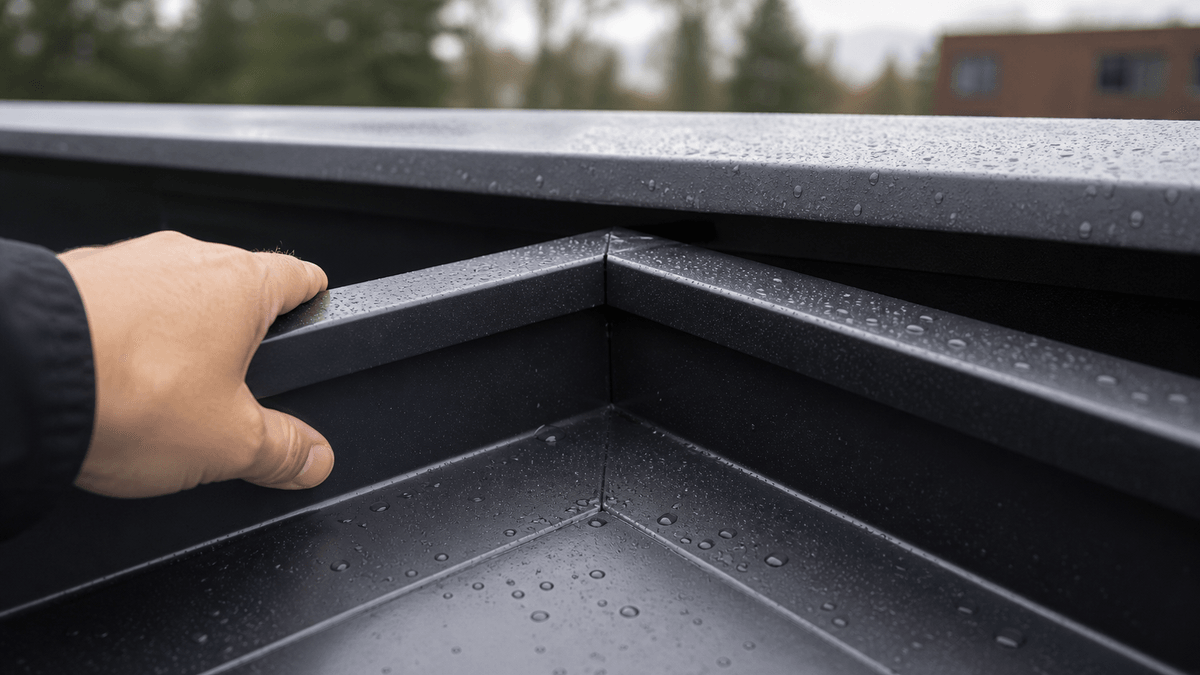
Many architectural profiles are not one-direction parts. Coping, gutter profiles, cladding returns, and fascia details may combine visible faces, hidden flanges, and drip edges. Each bend direction change can force the operator to rotate the part unless the workflow is designed around that sequence.
Good Applications to Review
- Parapet coping with return flanges.
- Roof-edge fascia with hems and drip details.
- Cladding trim with visible reveals and hidden returns.
- Box gutters and drainage profiles with several folds.
- Custom architectural profiles repeated across a project.
Less Movement Can Mean Better Parts
Reducing part movement is not only about speed. It can protect coated surfaces, reduce operator fatigue, and help parts stay aligned through the sequence. NIOSH material handling guidance supports the broader principle of reducing repeated physical demands. In profile work, that can also improve consistency.
For installers, the result is simple: parts arrive straighter, cleaner, and easier to place.
How to Evaluate the Workflow
Bring difficult profiles to the evaluation. A simple one-bend part cannot show the value of two-direction folding. Test a long coated part, a profile with multiple bends, and a repeat job.
- Count how many times the part is rotated or repositioned.
- Check if repeated parts match after several runs.
- Inspect visible surfaces for handling marks.
- Confirm the operator can follow the bend sequence clearly.
Turning Profile Drawings into a Useful Inquiry
Shops can send bend sequences, blank lengths, material thicknesses, finish requirements, and photos of current handling issues through the ARTITECT project consultation form. That makes the discussion specific to roof, gutter, and facade profile work.
Conclusion
A double bender machine workflow is strongest when it reduces unnecessary flipping and supports consistent finished profiles. For architectural sheet metal shops, the real value appears in cleaner parts, less handling strain, and a smoother path from shop floor to installation.