
A bending machine for sheet metal should be chosen by the profiles it must produce, not only by a generic machine category. Roofing and architectural sheet metal shops deal with long blanks, coated surfaces, repeat dimensions, and profiles that often need bends in more than one direction. Those requirements make workflow more important than the machine label.
ARTITECT MACHINERY positions its machine around this kind of work. It presents itself as a double folder factory, while the Functions page describes an automatic folding machine for roofers and contractors. The machine functions include dynamic folding, CNC material thickness adjustment, backgauge and material gripper control, tapered backgauge capability, graphic control, sheet support, side loading, and part flipping.
Start with the Finished Part
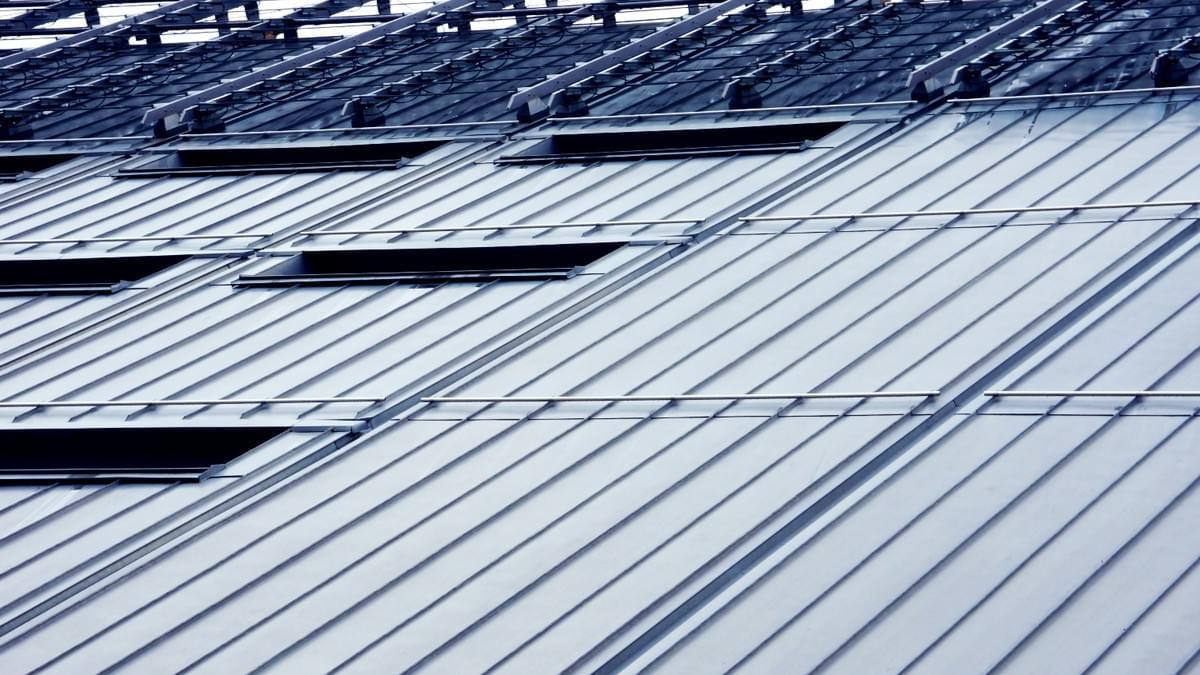
Many buyers begin with working length or material thickness. Those are necessary specifications, but they do not explain how a profile moves through production. A roof-edge fascia, parapet cap, cladding trim, box gutter, or custom architectural profile may require several bends and careful handling. The finished part should guide the machine comparison.
Buyers should collect part drawings, blank sizes, materials, bend directions, and current production problems before requesting a quote. This information helps a supplier discuss workflow instead of offering only a generic machine recommendation.
Why Double Folder Workflow Matters
Some profiles need bends in opposite directions. A conventional process may require the operator to flip the workpiece. RAS describes up and down bending as a way to avoid material flipping when bend direction changes. For long sheet metal parts, avoiding that movement can save time and reduce damage risk.
Double folder workflow is particularly useful when the shop produces long roofing profiles or visible facade parts. Less flipping can mean fewer scratches, better alignment, and a more repeatable sequence for trained operators.
Support Systems Can Decide Usable Capacity
A machine can advertise a working length, but that does not mean the shop can use that length comfortably. Long blanks need support. They can sag, twist, or shift during loading and gauging. ARTITECT's automatic sheet support, side loading, and part flipping functions address this challenge.
NIOSH guidance on manual material handling notes that reducing physical demands can support productivity and quality. In sheet metal bending, reducing physical demands also helps protect finished surfaces because operators handle the part less aggressively.
CNC Guidance Reduces Guesswork
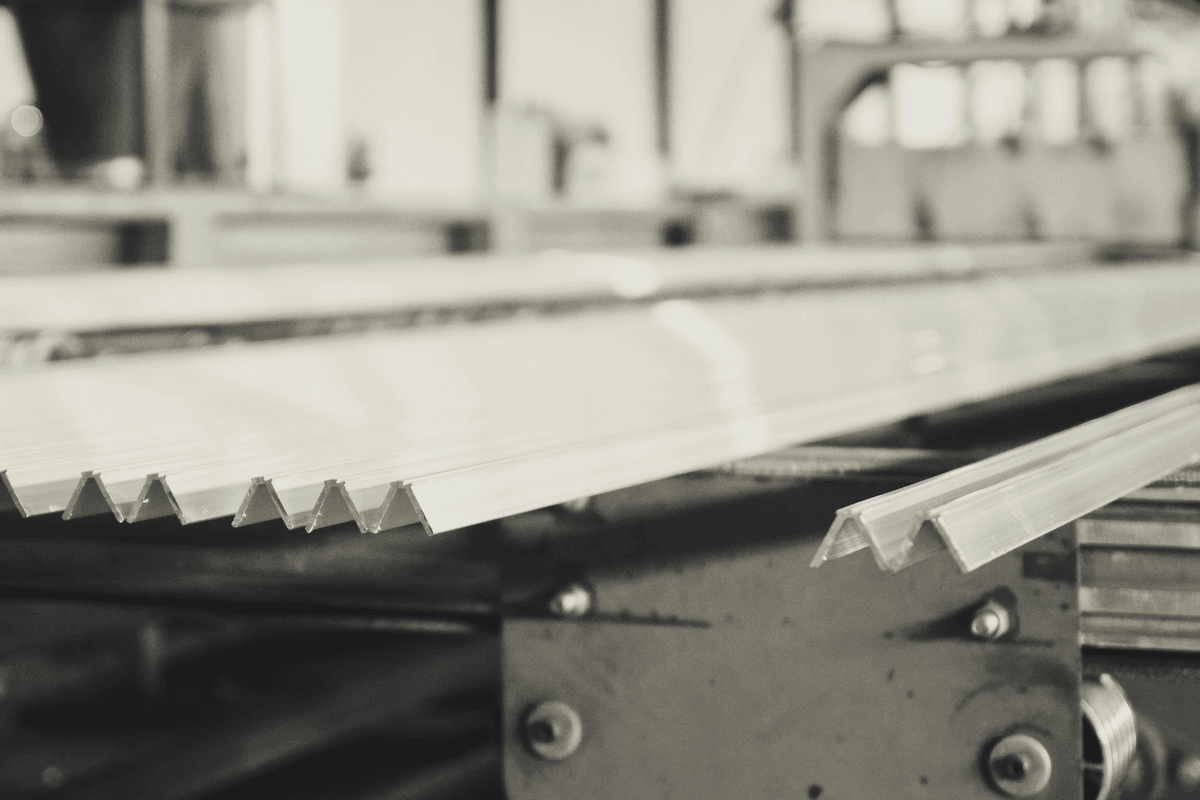
ARTITECT describes graphic control EFsys with touch-screen profile programming, automatic folding sequence, and collision simulation. These functions are valuable because a multi-bend profile can be difficult to visualize once the part begins to take shape.
Good CNC guidance helps the operator understand the next bend, recall repeat jobs, and reduce first-part mistakes. It also helps train additional operators because the process becomes less dependent on memory and more dependent on a clear machine sequence.
Backgauge and Gripper Accuracy
The backgauge controls where the sheet sits before each bend. ARTITECT lists backgauge and material gripper functions and tapered backgauge capability. These functions are important for both standard profiles and architectural parts with offsets, tapered geometry, or repeated dimensions.
During a demonstration, buyers should watch how the blank is positioned. If the operator must repeatedly correct alignment by hand, the machine may not support repeat production as well as expected. A better system makes positioning part of the controlled workflow.
Material Changes Need a Plan
Roofing and facade shops may bend coated steel, aluminum, copper, zinc, stainless steel, and other materials. ARTITECT lists CNC material thickness adjustment, while Jorns describes automatic material thickness adjustment on its double bending machine materials. Thickness control helps reduce setup uncertainty when materials change.
This matters because material variation affects clamping, bend behavior, and surface protection. A machine that helps operators handle those changes can reduce scrap and improve repeatability.
Safety Around Moving Parts and Long Sheets
A bending machine for sheet metal includes moving beams, clamping points, gauges, support systems, and long material. OSHA's machine guarding guidance emphasizes safeguarding machine parts and processes that can injure workers. Buyers should discuss guarding, emergency stops, operator position, safe access, and loading routines.
Safety should be evaluated during the production demo. The machine should show a predictable process, not only an impressive bend. Operators should be able to run the part without awkward reaching or unsafe material handling.
Demo Parts Worth Bringing
The strongest evaluation uses parts that represent the shop's real work. Bring enough variety to reveal where the machine helps and where it still requires manual effort.
- A long fascia or roof-edge trim profile.
- A parapet cap with several bends.
- A cladding trim part with visible finish.
- A box gutter or deeper folded shape.
- A profile with bends in both directions.
- A repeat part that must match across several pieces.
Application Value After Fabrication
The right bending machine improves more than shop speed. It can make installation smoother. Straight roof-edge profiles are easier to align. Clean coping caps sit better on parapet walls. Consistent cladding trim helps installers maintain reveal lines. These application benefits begin with controlled folding in the shop.
Buyers should therefore include installers or project managers in the evaluation when possible. Their feedback can reveal which profile issues create the most trouble after fabrication.
Calculate the Cost of Handling
Manual handling often hides inside normal shop routines. Operators lift a long blank, turn it, slide it, recheck it, and ask another person for help. Each action may feel small, but repeated across a production day it becomes a meaningful cost. It can also create quality risk when coated material is moved too many times.
A buyer should count these handling steps during a current job and again during a machine demo. A double folder that removes several handling steps from a common profile may create value even if the bend motion itself is not dramatically faster. The time saved between bends often matters more than the movement of the folding beam.
Plan Around the Operator Experience
The best bending machine is not only technically capable; it is also usable. Operators need a clear control interface, a comfortable place to stand, a predictable sequence, and enough support that they are not physically fighting the part. When the operator experience is poor, output depends too heavily on one very skilled person.
For growing shops, this is risky. A machine that is easier to teach can help the business add capacity without waiting for years of specialized experience. That is why CNC guidance, repeatable gauging, and reduced manual flipping all matter.
Good operator experience also protects morale during rush jobs. When the machine supports the material and explains the sequence clearly, operators can focus on quality instead of wrestling with the blank.
Where ARTITECT MACHINERY Fits
ARTITECT MACHINERY fits buyers who need a bending machine for sheet metal that is centered on double folder production rather than broad bending. Its About Us page connects the machine with production and architectural design experience.
A productive inquiry through the contact page should include part drawings, materials, thicknesses, working lengths, finish requirements, and current bottlenecks.
Conclusion
A bending machine for sheet metal should be evaluated around real profiles. For roofing and architectural work, the important criteria are long-part support, bend-direction flexibility, CNC sequence guidance, backgauge control, material adjustment, and safety.
A double folder can be the better choice when the shop needs to reduce handling and produce visible profiles consistently. The right machine makes finished parts easier to fabricate and easier to install.