
A sheet metal long folder needs more than enough working length. Long blanks must arrive straight, move through the folding area without conflict, and leave with their finish and geometry protected.
Follow the Sheet from Storage
Start the layout study where coils or blanks are prepared. Trace the route through blank staging, folding, inspection, packing, and dispatch. A long part should not need to cross busy work areas or make unnecessary turns.
Reserve Space at Both Ends

Published dimensions do not describe the full operating envelope. Add clearance for the longest blank, operator movement, support positions, and completed profiles. Include columns, doors, racks, and traffic lanes in the drawing.
Build a Practical Handling Plan
- Use padded supports at intervals suited to the profile.
- Keep sharp or heavy parts away from visible finishes.
- Mark a clear route to inspection and packing.
- Define team-lift or assisted-handling procedures.
- Store long profiles without unsupported overhang.
Prevent Staging from Becoming the Bottleneck
Long profiles quickly occupy floor space. Group completed parts by project, elevation, length, or installation sequence. Use separators and end protection so one part can be removed without dragging across another.
Match Support to the Work Mix
ARTITECT's long-sheet support and loading functions are relevant when a shop reviews material movement around a double folder. Support requirements should be tested with the widest, longest, and most finish-sensitive profiles in the normal workload.
Review the Proposed Layout
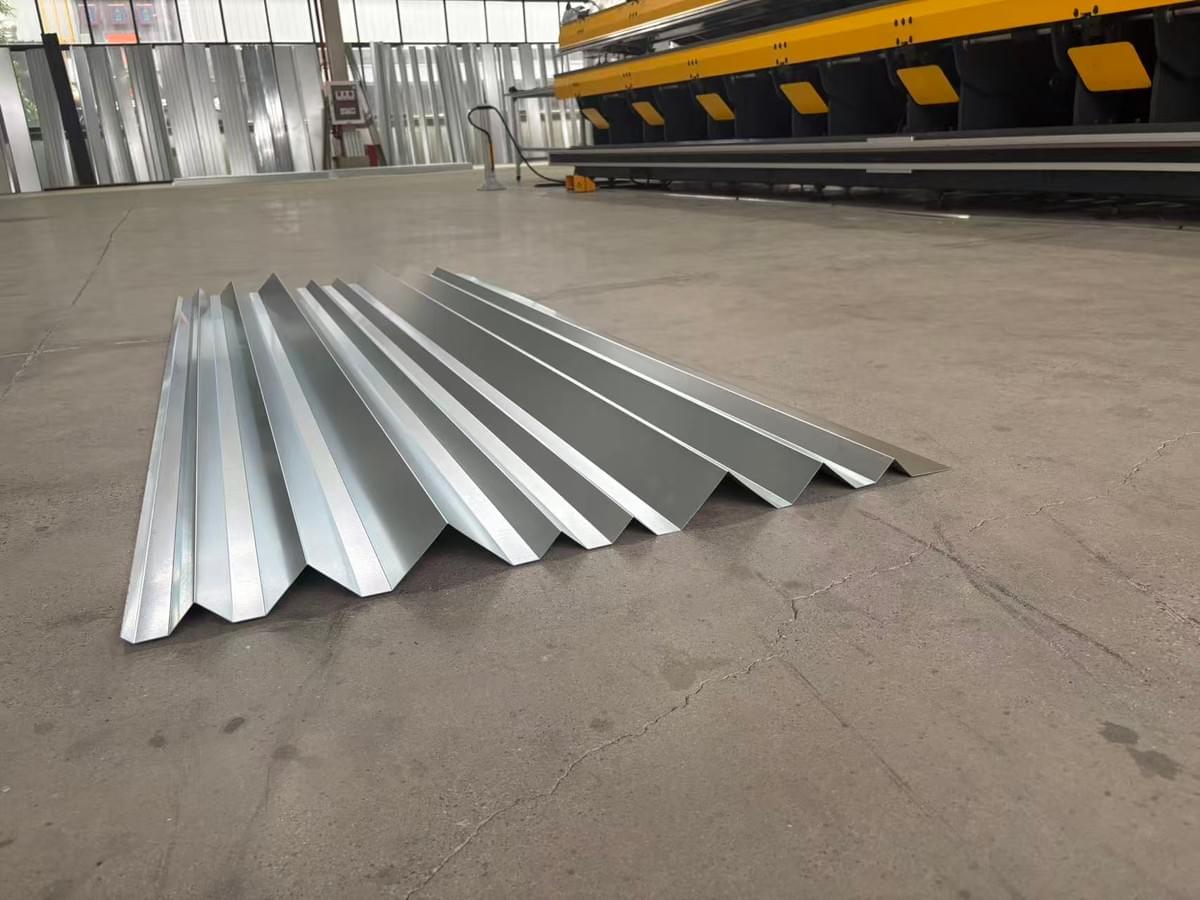
Share floor dimensions, profile lengths, material flow, and handling concerns through the ARTITECT long-sheet layout consultation. A scaled plan is more useful than discussing floor area as one total number.
Conclusion
A sheet metal long folder performs as part of a larger route. Clear access, suitable support, disciplined staging, and protected transport help turn working length into reliable output.