
A metal sheet folder should be evaluated by the work it has to repeat, not by a single demonstration bend. For roofing and facade shops, daily production may include fascia, coping, rake trim, cladding returns, gutter profiles, and custom details that all need consistent geometry.
ARTITECT MACHINERY focuses on automatic folding and double folder workflow through its double folder factory overview. Its double folder function guide is useful when shops want to compare support, backgauge control, dynamic folding, material handling, and repeat-job production.
Begin with the Part Mix
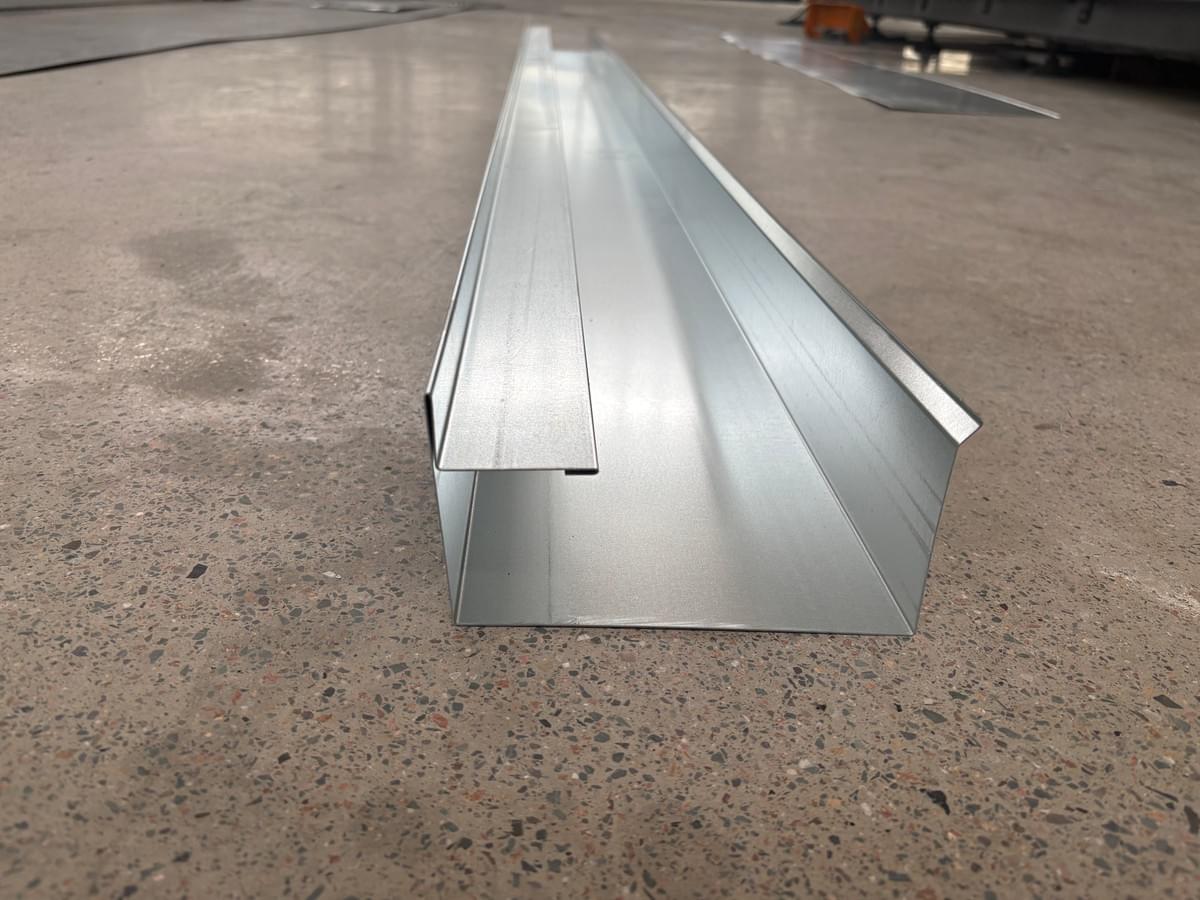
A shop that mainly makes short brackets has different needs from a crew producing long roof-edge trim. A metal sheet folder for architectural work should be reviewed with real material, real lengths, and actual bend sequences.
Good evaluation parts include profiles with visible faces, hidden returns, hems, and opposing bend directions. Those details show whether the workflow supports the operator or forces extra handling.
When Basic Folding Becomes Limiting
Simple one-direction folding can be enough for some work. Problems appear when parts become longer, coating quality matters more, or profiles need several bends in different directions. Extra rotation can slow output, increase fatigue, and add chances for surface damage.
For roof and facade profiles, less unnecessary movement can mean cleaner parts and steadier dimensions.
Profile Families to Test
- Long fascia and drip-edge profiles with visible front faces.
- Parapet coping with return flanges and corner pieces.
- Facade reveal trim where straight lines are highly visible.
- Gutter and box gutter profiles with multi-fold geometry.
- Repeat project parts that must match after several runs.
Handling Is Part of Accuracy
Accuracy is often described as a number, but handling affects the final part. If a long coated profile drags, flexes, or twists, the installed result can suffer even when the bend angle looked acceptable at the station. NIOSH material handling guidance supports reviewing how work is lifted, moved, and repeated during daily tasks.
A Useful Trial Looks Like Real Production
Ask for a trial that reflects normal jobs. Review setup, support, operator movement, repeatability, and finished-surface condition. One perfect sample is less helpful than a short run of parts that can be inspected side by side.
Shops can share drawings, material ranges, coating requirements, and current handling concerns through the ARTITECT profile review request. That turns a broad purchase conversation into a practical production review.
Conclusion
The right metal sheet folder should help a roofing or facade shop make parts that install cleanly, not just parts that fold once in a showroom. Part mix, bend direction, support, finish protection, and repeatability are the details that make the selection useful.