
A metal roofing folding machine supports much more than a list of profile dimensions. Eave trim, rake flashing, ridge caps, gutters, and parapet details must arrive with the correct geometry, finish, quantity, and installation sequence. The strongest production plan begins with the roof assembly and works backward to the shop.
Translate Roof Conditions into Clear Profiles
Each drawing should identify the visible face, material thickness, coating, bend direction, lap allowance, and mating components. Add the roof zone or elevation so that similar-looking parts do not become mixed during packing or delivery.
Approve Details Before Releasing the Run
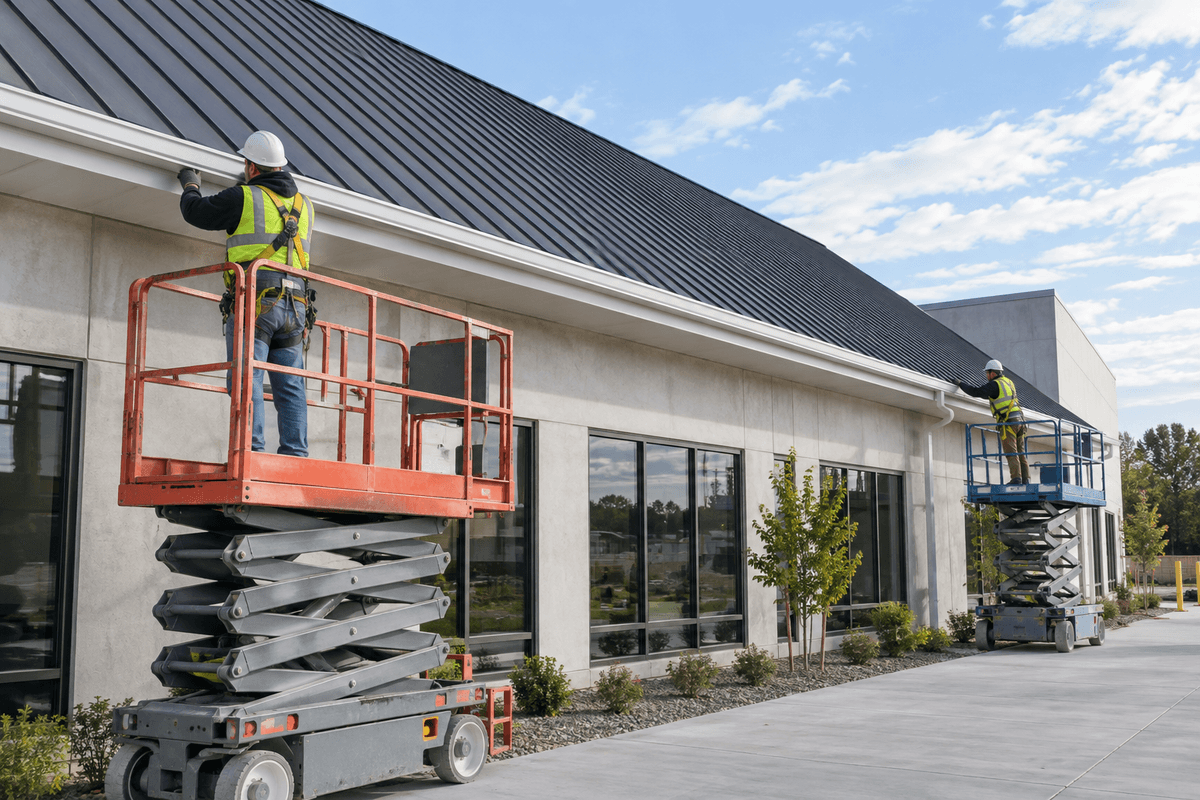
A short mock-up can expose a conflict that is difficult to see on a profile drawing. Check how the sample meets the roof panel, fascia, membrane, fastener zone, and drainage path. Record any correction as a drawing revision before repeated production begins.
Build Quality Checks Around the Roof
- Measure the overall width and the flanges that control fit.
- Confirm that hems, returns, and open angles match the detail.
- Inspect the exposed face under even light.
- Test overlaps, corners, end caps, and closures together.
- Compare several parts to detect progressive dimensional drift.
Keep Finished Surfaces Protected
Roof trim can travel through several handling stages before installation. Clean supports, soft separators, protected ends, and stable bundles reduce scratches and distortion. Long pieces should be supported continuously rather than carried from one end.
Pack in the Order Crews Will Install
Organize profiles by elevation, roof area, or construction phase. A bundle for the east eave should contain the related corners and closures, with identification that remains visible after transport. This keeps crews from opening multiple packages to find one detail.
Match Automation to the Profile Mix
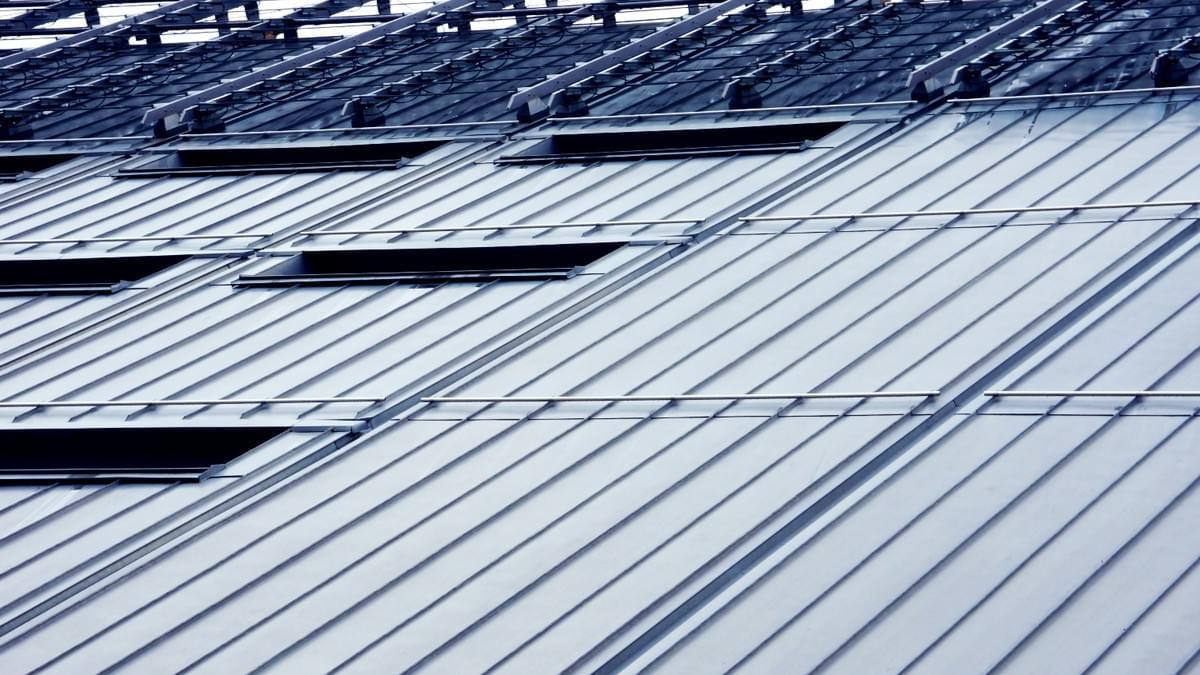
ARTITECT's automatic double folding capabilities for roofing work include programmed sequences, sheet support, thickness adjustment, and double-sided handling. When evaluating those functions, use a representative set of difficult roof details rather than one simple profile.
Review a Real Roof Package
Share profile drawings, material specifications, expected batch sizes, and installation photos through the ARTITECT metal roofing production consultation. A complete detail set gives the technical discussion practical context.
Conclusion
Field-ready roof trim comes from coordinated drawings, tested assemblies, repeat checks, careful protection, and installation-led packing. A metal roofing folding machine delivers its best value when the entire workflow is organized around how each profile will perform on the building.