
Metal roof machine price is difficult to judge without knowing the parts a shop needs to produce. A quote can look attractive until long profiles, coated material, multi-bend trim, repeat jobs, and handling labor are considered.
ARTITECT MACHINERY positions its work through a double folder factory overview and an automatic folding function guide. Those resources help roofing shops review value through finished roof and facade profiles rather than price alone.
The Cheapest Quote May Skip the Hard Part
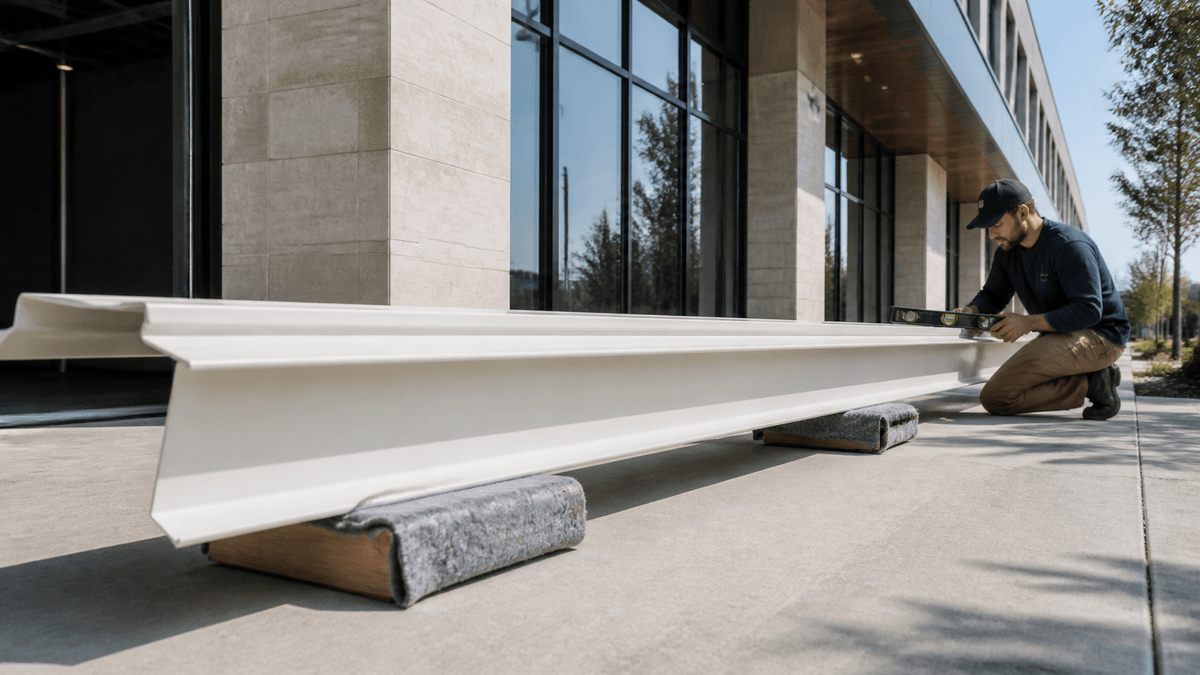
Roofing work includes more than straight panels. Shops often need fascia, rake trim, coping, gutters, closures, and special transitions. If the workflow cannot support those parts cleanly, the real cost may appear as rework, extra labor, surface damage, or slower installation.
Cost Drivers Worth Naming Early
- Maximum profile length and support requirements.
- Material thickness range and coating sensitivity.
- Profiles with bends in more than one direction.
- Repeat jobs that need stored settings or consistent setup.
- Part staging, inspection, and packing before delivery.
Price Should Follow a Trial Part
A practical price conversation starts with difficult sample profiles. Long coated trim, a multi-bend gutter, and a repeated coping piece reveal more than a generic specification. The goal is to see whether the process can make installation-ready parts at the pace and quality the shop needs.
Labor Is Part of the Number
NIOSH material handling guidance is relevant because repeated lifting, rotation, and awkward movement can affect both productivity and worker strain. A workflow that reduces unnecessary handling may justify itself through cleaner parts and steadier daily production.
Make the Quote Specific
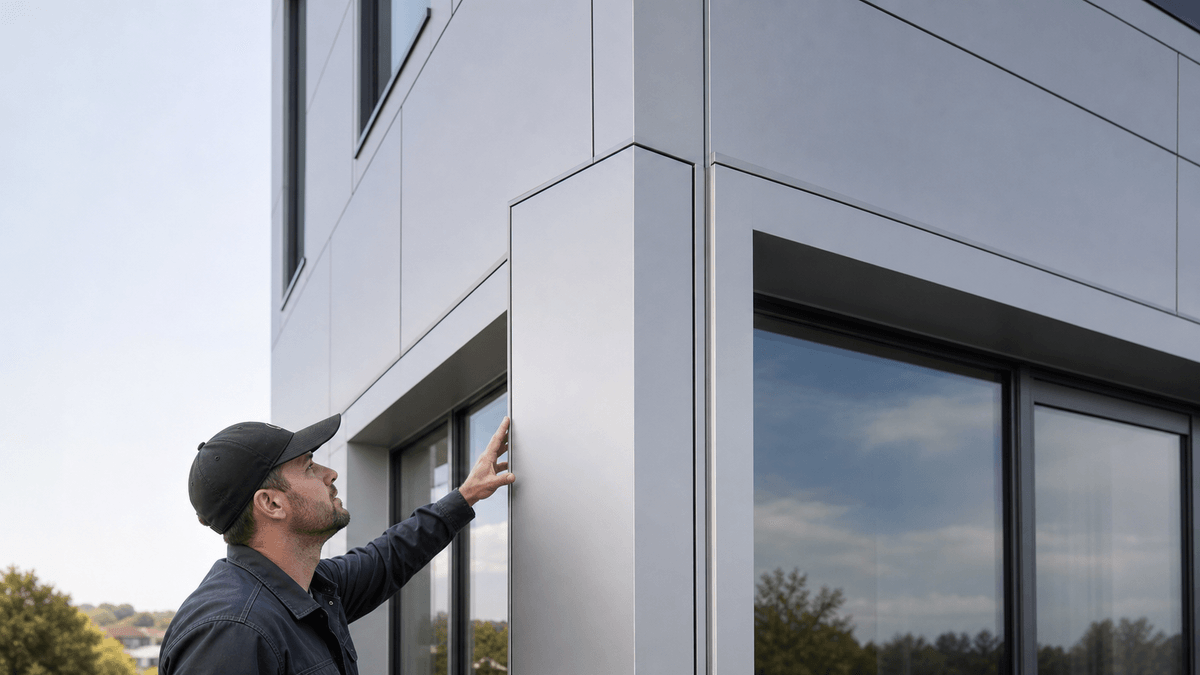
Share roof trim drawings, material details, daily profile mix, and current production bottlenecks through the ARTITECT roof trim quotation review. Specific profile data makes the price discussion more useful.
Conclusion
Metal roof machine price should be judged against the work behind the number. For roofing shops, the strongest purchase discussion includes profile geometry, handling, finish protection, repeatability, and the cost of parts that do not install smoothly.