
Application 1: Roofing Trims and Long Roof-Edge Components
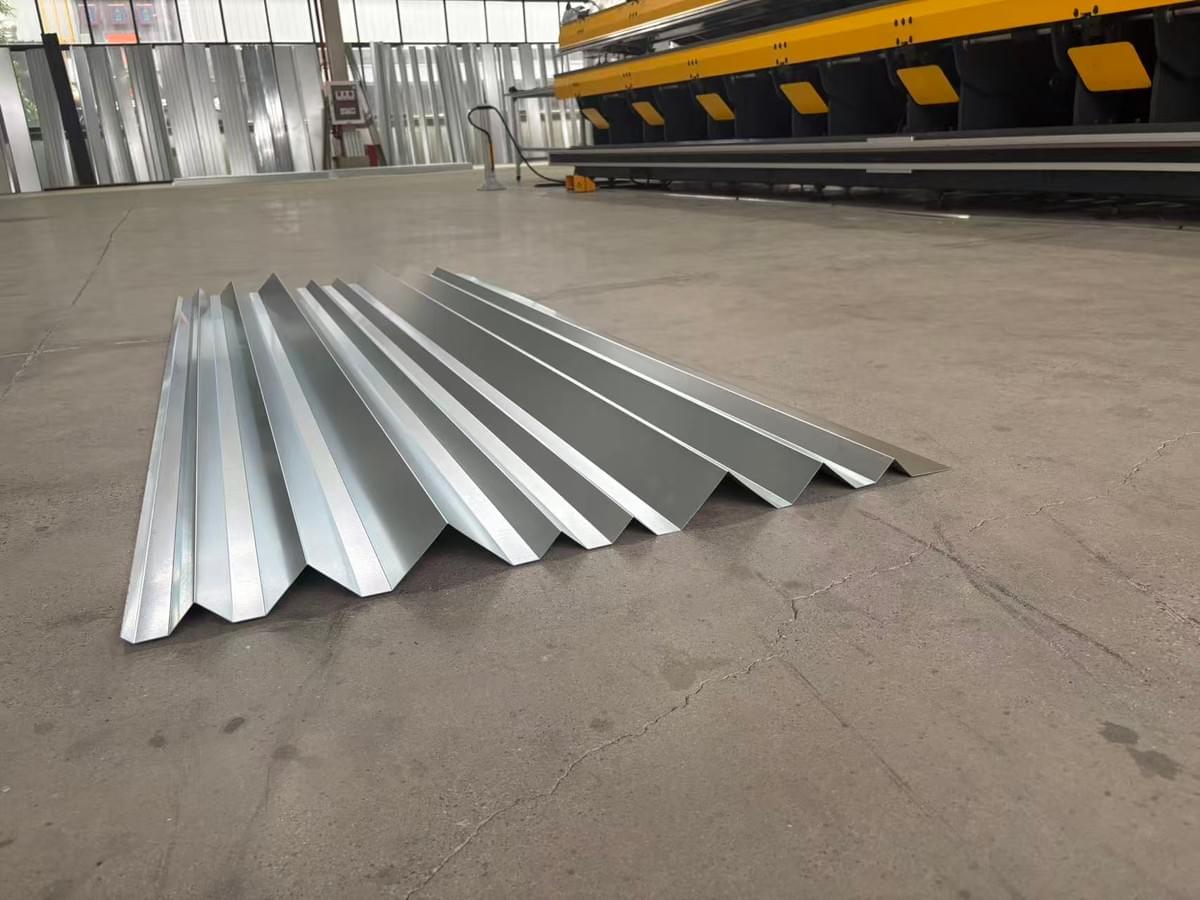
Roofing trims are one of the clearest reasons to evaluate a double folder. Fascia pieces, drip edges, parapet caps, coping, and edge conditions often combine long lengths with finish-sensitive surfaces. Even when the profile itself is not extremely complex, the handling challenge can be significant. A machine that leaves too much sheet weight in the operator's hands quickly becomes less efficient than it looked in the demo.
Double folders are valuable here because they improve sheet control during bends in both directions and reduce unnecessary repositioning on long pieces. That can make output more stable and less tiring to produce through a full shift.
Application 2: Facade and Wall Panel Details
Facade and wall panel work often raises the standard for finish quality and repeatability. Profiles may need to look clean after installation, line up visually across large surfaces, and maintain consistency even when the job mix includes custom details. In that environment, small handling mistakes become visible very quickly.
ARTITECT MACHINERY's combination of backgauge control, gripper positioning, and automatic support is especially relevant for this type of work. The value is not just in making the bend accurately once. It is in making the same visual result repeatably across production.
Application 3: Coping, Parapets, and Architectural Edge Profiles
Coping and parapet-related parts can look simple from a distance, but they often expose machine weakness fast. The profiles are frequently long, can require bends in both directions, and usually need to stay presentable after transport and installation. Handling instability is not just a productivity problem here. It can also create scratches, distortion, or variation that becomes expensive later.
This is one reason many professional shops use these parts as test cases during a machine demonstration. If a folding system looks calm, supported, and repeatable on coping and parapet profiles, it is often a good sign that the machine concept is sound.
Application 4: Standing Seam and Related Profile Work
Standing seam and related roofing profiles often require consistent length control and clean bends across long material. Even when the folding sequence is straightforward, productivity can suffer if the machine forces too much manual effort during loading, support, or bend direction changes. A double folder approach becomes valuable when the shop wants more predictable flow and lower operator strain on long repetitive work.
Competitor references support this application logic. Jorns, RAS, and CIDAN all highlight versions of up/down bending, better handling, and controlled profile sequencing because those needs are common in roofing production, not rare exceptions.
Application 5: Custom Architectural Profiles and Short-Run Complexity
Not every demanding job is a long production run. Some of the most expensive work in the shop may come from custom details, small-batch architectural pieces, or awkward profiles that require careful sequencing. These jobs can consume disproportionate time if the machine and control do not support efficient program creation and repeatable bend flow.
This is where features like graphic control, collision-aware programming, tapered backgauge capability, and part flipping support become more important. The machine needs to help the operator think through the part, not just execute one bend after another.
Application 6: Gutters, Boxes, and Deeper Folded Shapes
Box gutters and other deeper folded components also deserve attention during machine selection. These parts often combine longer blanks, more demanding geometry, and a higher penalty when handling becomes unstable. Even when production volume is moderate, the difficulty of the profile can make an ordinary workflow feel slow and inconsistent.
A double folder is valuable here because stable support, controlled positioning, and cleaner bend-direction transitions can keep the process more predictable. For shops that regularly move between roof-edge trims and deeper fabricated shapes, this flexibility can make one machine platform far more useful across the week.
Signs a Double Folder Application Match Is Strong
- Your shop runs many long parts where support and handling are constant issues.
- You often produce profiles that include bends in both directions.
- Visible finish quality matters commercially.
- One operator needs to manage more of the process with less fatigue.
- You want stronger repeatability across custom work, not just standard production.
- You expect future growth in facade, architectural, or high-value roofing applications.
If several of these points sound familiar, the application fit for a double folder is usually strong.
How to Test Application Fit in a Demo
The best demo parts are not generic. They are the parts that currently cause real friction. Buyers should bring profiles that reflect their own order book: one long roof-edge component, one finish-sensitive facade detail, one multi-bend custom piece, and one part that currently requires too much manual correction. That gives the machine a chance to prove whether it can solve the right problems.
During the demo, watch more than the finished dimension. Watch how the sheet is supported. Watch how much manual guidance is still needed. Watch how easily the operator moves from one profile to another. Watch whether the machine still looks controlled when the part gets harder.
Why Operator Consistency Matters Across Applications
The same machine can look excellent with one highly experienced operator and far less impressive when the work is handed to someone newer. That is why application fit should also include operator consistency. A strong double folder setup helps the shop make good parts reliably without requiring every job to depend on one individual expert.
For roofing and architectural fabrication, that consistency becomes a business advantage. It helps with scheduling, staffing resilience, and customer confidence because the output depends more on the machine process and less on operator improvisation.
Where ARTITECT MACHINERY Fits These Applications
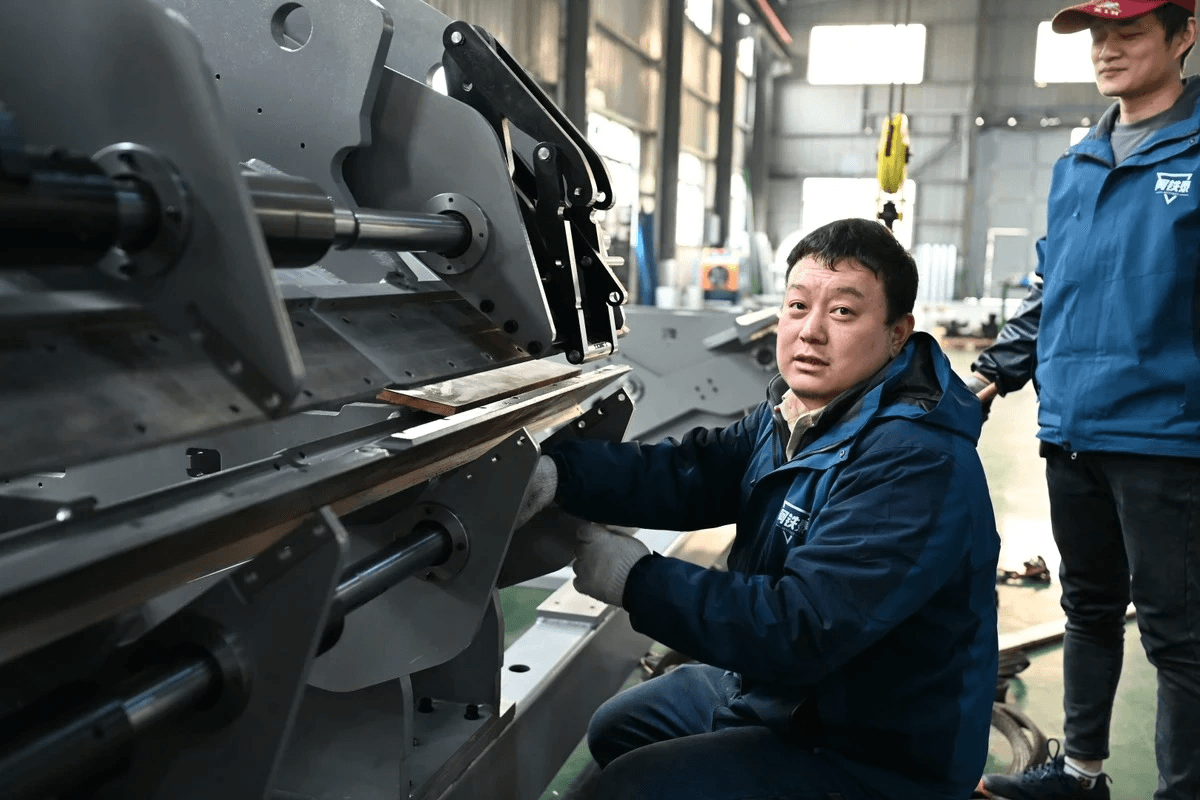
ARTITECT MACHINERY is relevant in these application areas because its published strengths are directly tied to production flow. The About Us page emphasizes automatic folding systems for roofing and architectural fabrication, while the blog supports buying and workflow discussions rather than generic product catalog language.
That combination is useful for buyers because it suggests that the machine concept has been shaped around the same application categories that usually create the most demanding folding work: roofing trims, facade details, panel systems, coping, parapets, and long custom profiles.
Questions Buyers Should Ask Before Choosing a Machine
- Which application creates the most handling stress in our shop today?
- Which parts are most sensitive to finish damage or variation?
- How often do we need bends in both directions on the same part?
- Do we need stronger performance on repetitive long parts, short-run custom parts, or both?
- Can the supplier show us our own application mix instead of generic demonstration profiles?
These questions keep the buying process grounded in actual production. They also make it easier to tell the difference between a machine that looks strong in theory and a machine that truly fits the shop's most important work.
Conclusion
A folding machine for sheet metal becomes far more valuable when it is chosen through the right applications. Roofing trims, facade details, coping, standing seam components, and custom architectural profiles all place demands on the machine that go well beyond simple bending capacity. They require support, sequence control, finish protection, and repeatable handling on difficult parts.
That is why double folder design matters so much in these applications, and why ARTITECT MACHINERY is relevant for buyers who need more than a general-purpose solution. The best machine choice is the one that makes the hardest parts in the shop feel more stable, more repeatable, and less labor-intensive to produce.