
A fabric double folding machine usually points toward textile or flexible-material folding. ARTITECT MACHINERY's work is different: the company presents itself as a double folder factory focused on automatic folding for architectural sheet metal, roofing, facade, and contractor profile work.
That distinction matters. Fabric and sheet metal do not behave the same way. A textile fold may be about soft handling and seam preparation. A sheet metal fold must control bend angle, flange length, coated surface quality, springback, long-profile support, and installation fit.
Different Materials, Different Problems
Fabric can drape, stretch, and compress. Architectural sheet metal holds shape after forming, but it can also scratch, twist, or spring back if the process is not controlled. A roofing shop choosing a double folder is usually trying to make repeatable parts such as fascia, coping, gutter profiles, cladding trim, and flashing.
What ARTITECT Means by Double Folder
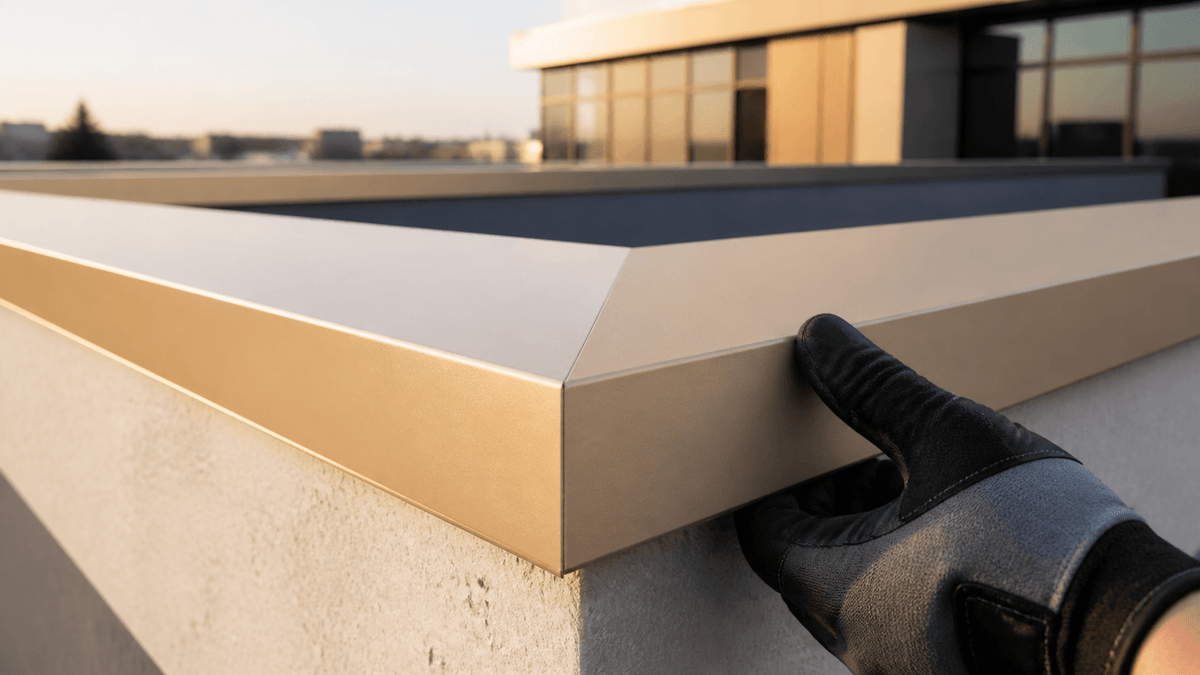
ARTITECT's double folder factory overview and sheet metal folding function guide describe automatic folding features for metal profile production. The useful discussion is how those functions affect handling, support, accuracy, and repeat profile work.
Sheet Metal Details to Define
- Material type, thickness, and finish.
- Maximum profile length and visible face requirements.
- Bend direction, flange dimensions, and hems.
- Repeat part quantities for roof or facade projects.
- Installation details such as corners, returns, and drainage paths.
Use the Finished Part as the Guide

For metal work, the final building detail should guide the production conversation. A parapet cap needs straight runs and clean corners. A facade reveal needs consistent shadow lines. A gutter profile needs the right drainage path. Those outcomes are far removed from fabric-folding requirements.
Clarify the Application Early
Shops can send profile drawings, material notes, finish requirements, and installation photos through the ARTITECT sheet metal profile consultation form. If the need is textile production, it belongs in a different equipment category. If the need is architectural metal profile folding, the discussion can become specific quickly.
Conclusion
Fabric folding and sheet metal folding solve different production problems. For roof, facade, gutter, coping, and trim profiles, the better question is how a double folder supports accurate, protected, repeatable architectural sheet metal parts.