
Automated folding systems matter most when a shop needs repeatable roof and facade profiles, not just faster single bends. Long fascia, coping, wall reveals, gutter parts, and custom trim sets all depend on stable support, clear sequencing, and protected handling.
ARTITECT MACHINERY presents its approach through a double folder factory overview and an automatic folding workflow guide. For architectural sheet metal shops, the practical value is how automation supports the full path from blank to installation-ready profile.
Automation Should Reduce Unnecessary Touches
Every extra lift, flip, or drag can affect a coated profile. Automation is useful when it reduces avoidable handling and helps the operator keep long parts supported through the sequence. The result can be cleaner visible faces and more predictable dimensions.
Profile Flow Before Speed
Speed alone is not enough if parts pile up without order. A better workflow keeps project groups together, separates finished surfaces, and makes repeat profiles easier to inspect.
- Long roof fascia and rake trim.
- Parapet coping caps and corner pieces.
- Facade reveal trim and panel closures.
- Box gutter and drainage profiles.
- Repeated project sets grouped by elevation or roof zone.
Repeatability Helps Installers
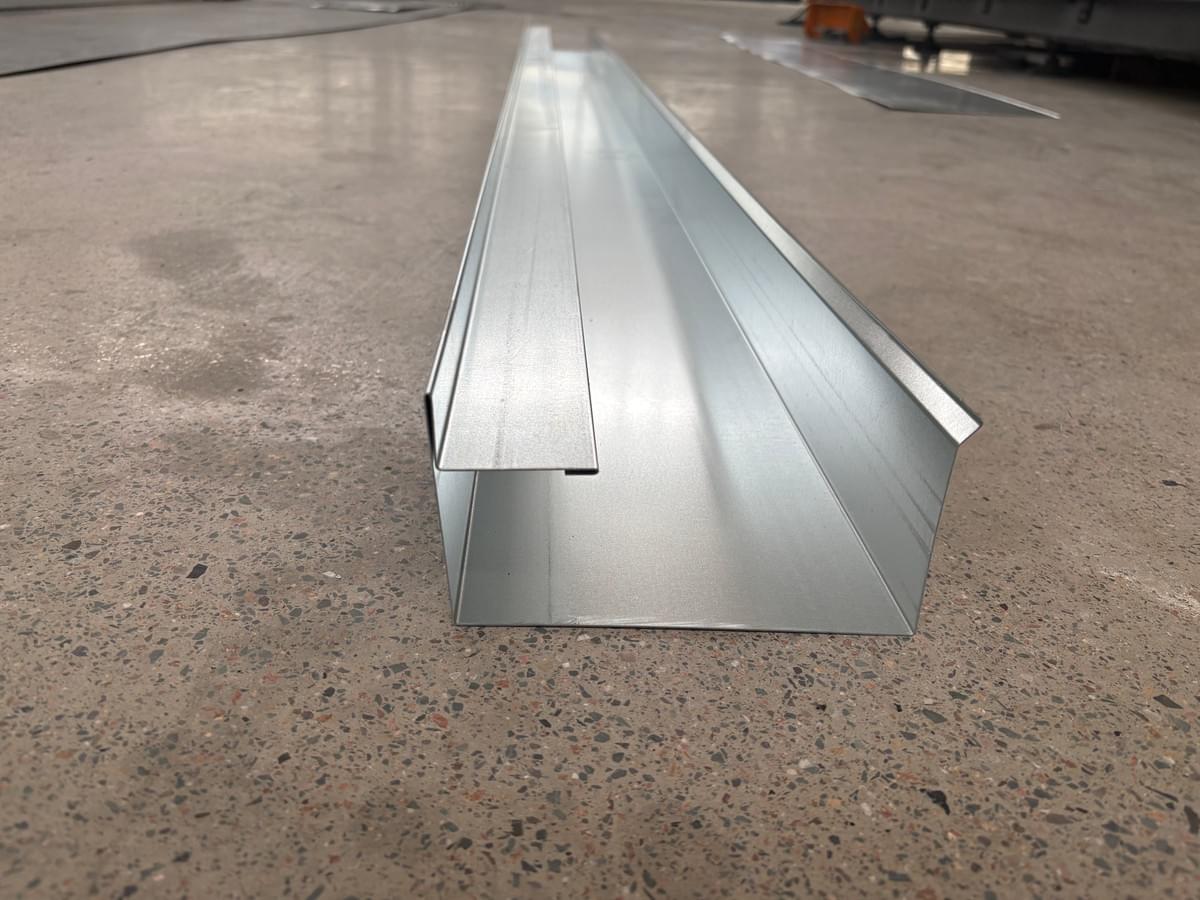
Installation crews feel the difference when profiles arrive straight, clean, and sorted. Flange variation, surface marks, or mixed part groups can slow the jobsite even if the shop completed the batch quickly.
Review the Real Bottleneck
Before choosing an automated folding workflow, review the parts that currently create rework. NIOSH material handling guidance is useful for thinking about repeated movement, while OSHA machine guarding guidance is relevant when shops review operator interaction and safety practices.
Start with Drawings and Handling Problems
Send profile drawings, part lengths, material thicknesses, finish requirements, and photos of current handling issues through the ARTITECT profile workflow consultation form. A specific profile set turns automation into a production conversation.
Conclusion
Automated folding systems should make roof and facade profiles easier to repeat, protect, inspect, and install. The strongest gain is not only faster output. It is a calmer profile flow from sheet stock to the building.