
A double fold forming machine workflow becomes valuable when a profile needs bends in more than one direction. Roofing and facade parts often combine visible faces, hidden returns, hems, drip edges, and corner details that are difficult to manage with frequent manual repositioning.
ARTITECT MACHINERY explains its double folder focus through a double folder factory overview and a double folder function guide. For shops making architectural profiles, the important question is how the workflow reduces handling while keeping the finished part accurate.
Two Directions, One Installation Result
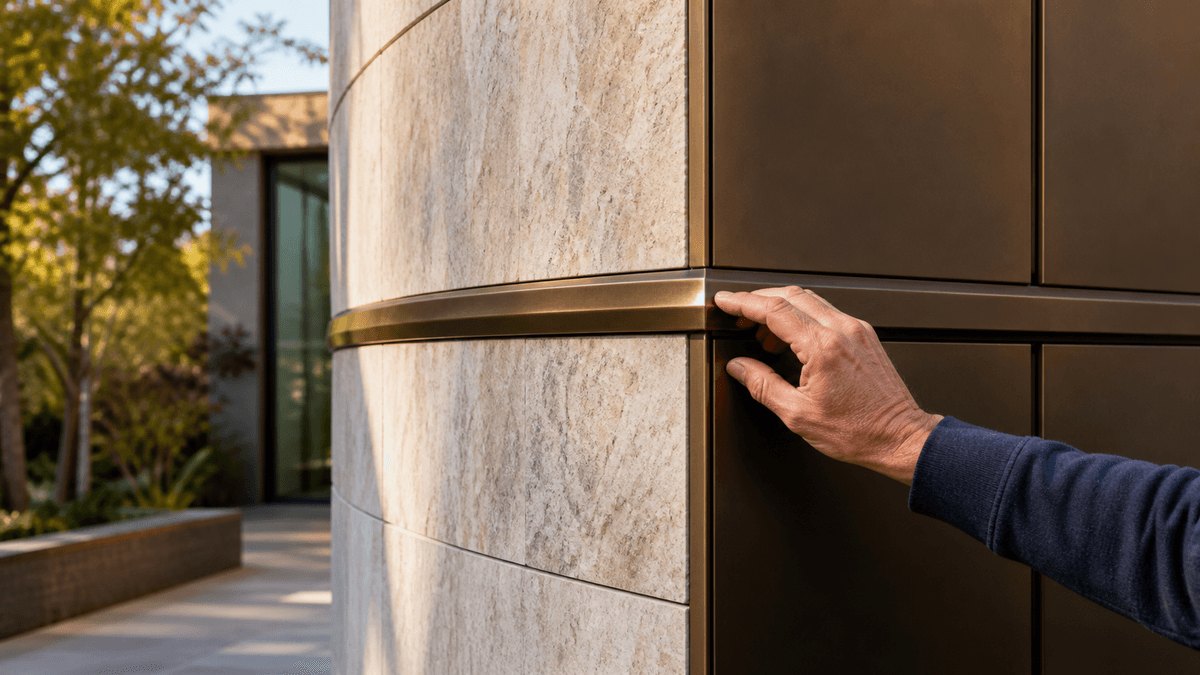
Architectural profiles are judged as finished details. A fascia face must stay straight. A coping corner must close cleanly. A gutter return must support water flow. Each bend direction should serve the final detail instead of creating extra risk during handling.
Profiles Worth Testing
- Roof fascia with front faces and drip edges.
- Parapet coping with return flanges.
- Facade reveal trim with hidden fixing faces.
- Box gutter profiles with several folded walls.
- Corner trim that wraps a building edge.
Less Repositioning Can Protect Coated Surfaces
Every flip or rotation creates another chance to scrape a visible face. A better workflow keeps long parts supported, gives operators a clear sequence, and helps repeated pieces stay consistent.
Review More Than the First Sample
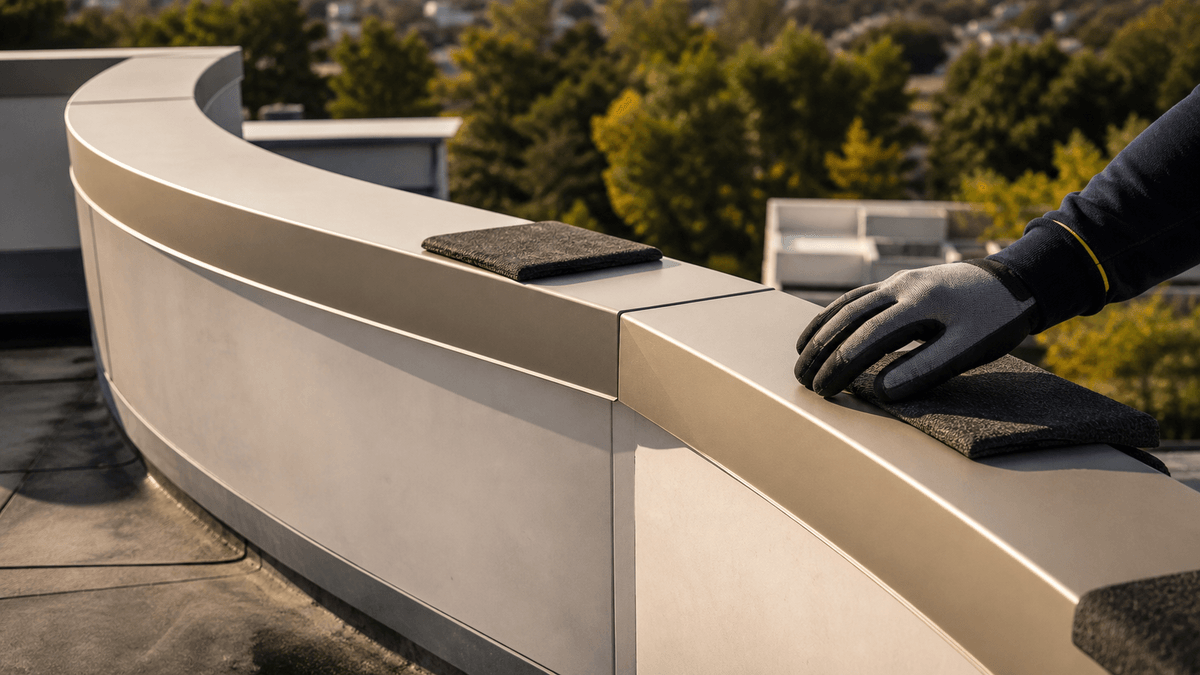
Test several pieces from the same drawing. Compare flange dimensions, visible surfaces, and corner fit. NIOSH handling guidance is also relevant because long-profile movement can become a daily strain when the process is awkward.
Make the Inquiry Drawing-Led
Send bend sequence drawings, material notes, finish requirements, and installation photos through the ARTITECT double fold profile review. Specific geometry makes the discussion practical.
Conclusion
A double fold forming machine workflow should help shops form complex roof and facade profiles with fewer unnecessary movements. The payoff is cleaner coated parts, steadier geometry, and trim that is easier to install.