
When comparing sheet metal folding machine manufacturers, the production trial is only one milestone. The handover should leave the shop with verified profiles, trained operators, controlled program data, useful documents, and a clear record of what was accepted.
Define Acceptance before Delivery
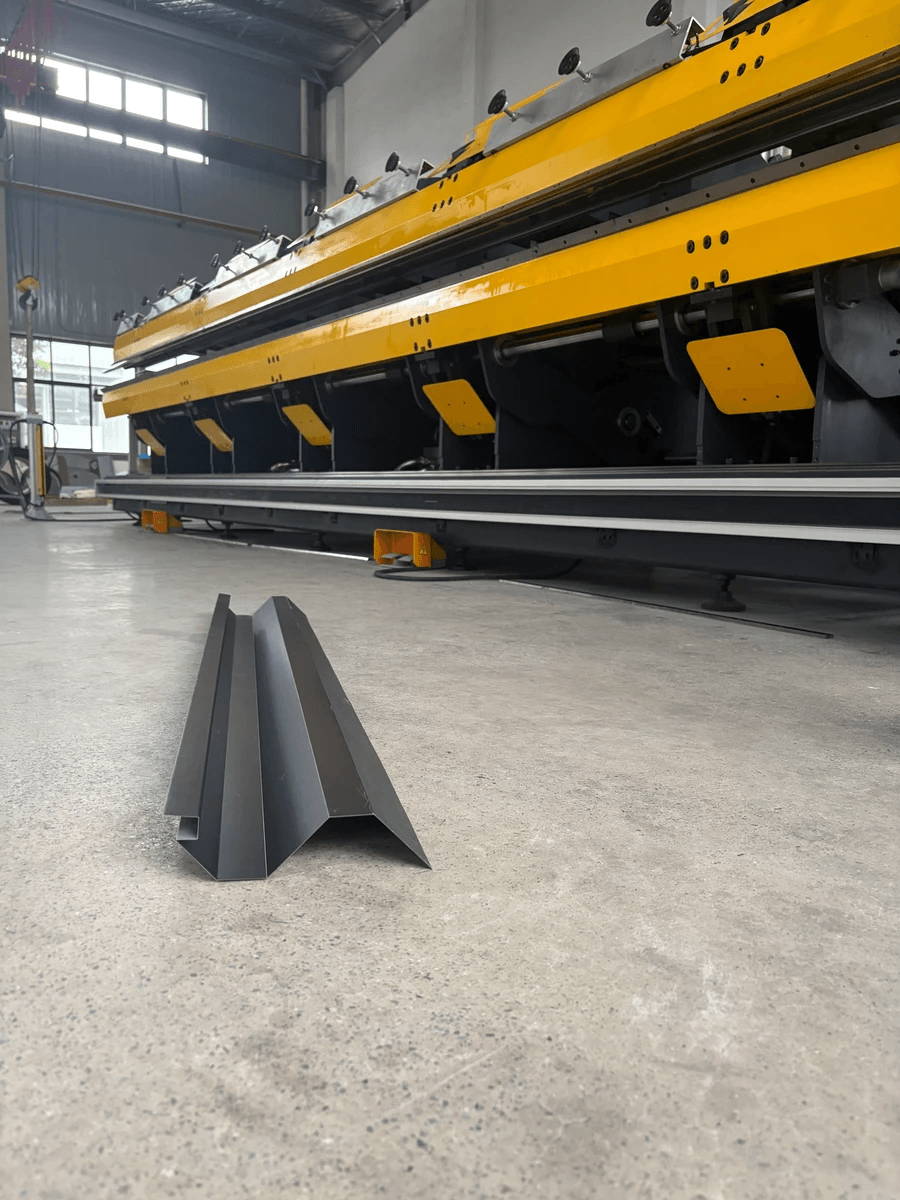
Agree on representative materials and profiles early. The test set should reflect working lengths, coatings, thicknesses, opposing bends, and repeat quantities from normal production. Document critical dimensions and visible-surface expectations.
Use Parts the Shop Understands
An acceptance test is easier to interpret when it includes familiar fascia, coping, gutter, and facade details. The team can compare finished pieces with current drawings, mock-ups, joints, and installation experience instead of judging an unfamiliar demonstration shape.
Build Operator Confidence through Tasks
- Retrieve and verify an approved profile program.
- Create a new profile from a controlled drawing.
- Change material thickness and confirm the first part.
- Recover from an interrupted production sequence.
- Store revisions under names the whole shop understands.
Organize Handover Documents
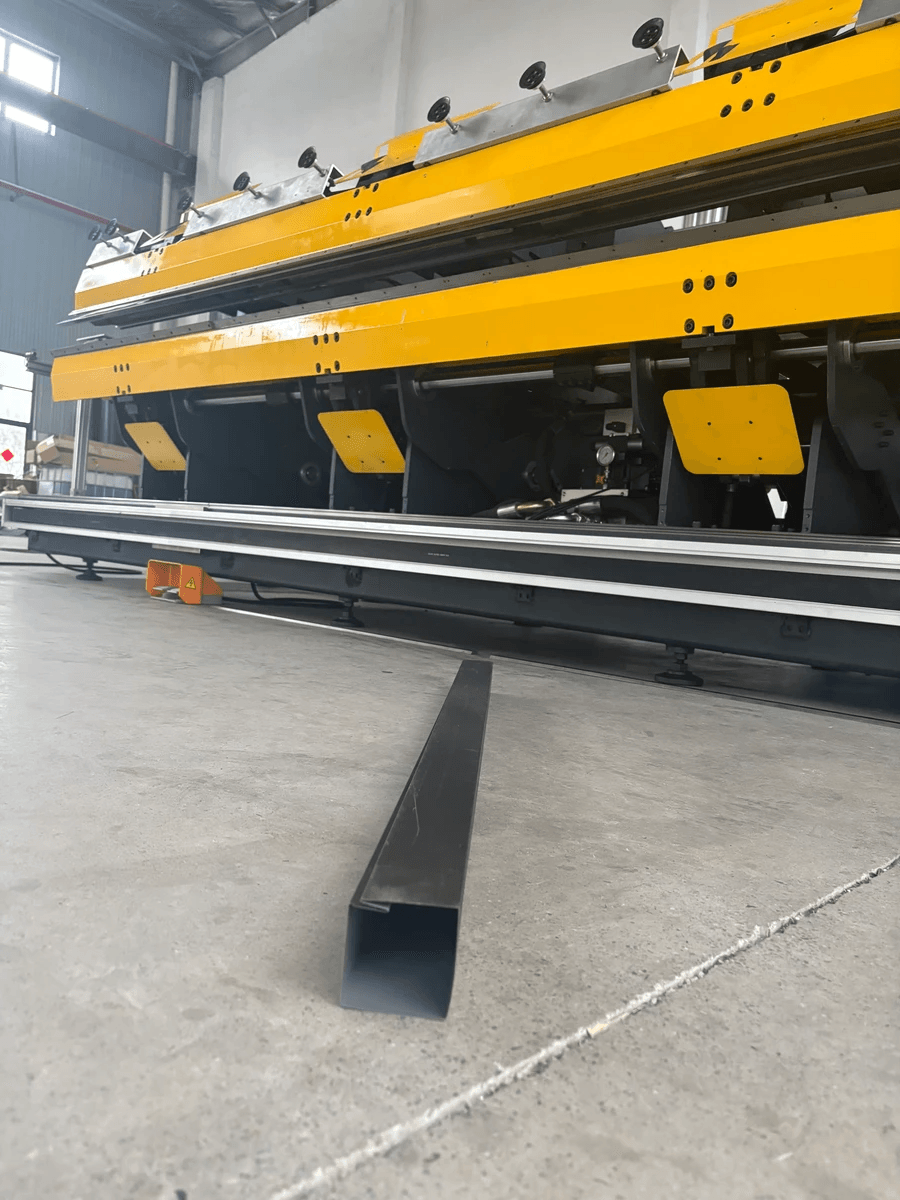
Keep operating instructions, maintenance schedules, drawings, component lists, electrical or hydraulic records, backups, and training notes in an accessible location. Assign ownership for updates so the handover package remains useful after the first month.
Record the Approved Output
Retain measured samples or detailed photographs of the accepted profiles. Note the program version, material, date, and inspection results. These records help distinguish later process drift from a drawing or material change.
Ask Support Questions in Context
Discuss how technical questions, program files, diagnostics, and replacement information are communicated. Use practical examples from the shop, but do not assume service regions, response times, warranty coverage, or stock commitments that have not been confirmed in writing.
Review ARTITECT Functions with the Test Set
The ARTITECT double folding function overview describes graphic control, thickness adjustment, backgauge positioning, material support, and automatic handling. Acceptance profiles give the team a concrete way to review these capabilities.
Prepare the Handover Discussion
Submit the proposed test profiles, materials, operator roles, and required records through the ARTITECT production handover consultation. Clear expectations make the final review more useful.
Conclusion
A good handover transfers more than hardware. Verified parts, practical training, controlled files, and organized records help a roofing or architectural shop turn a successful trial into dependable daily production.