
Long sheet metal folding machines should be evaluated by the longest visible parts a shop makes. Long roof fascia, parapet coping, cladding trim, and gutter profiles reveal weakness quickly. A small twist or handling mark can run across the building face.
ARTITECT MACHINERY's double folder factory overview and long profile folding guide are useful when shops want to discuss support, material handling, and repeatability for architectural profiles.
Long Parts Punish Small Mistakes
A short sample may look fine even when the process is awkward. A long coated fascia profile is less forgiving. If the part is unsupported, it can sag. If it is dragged, the visible finish can mark. If dimensions drift, installers may fight the profile on the building.
Profiles to Test at Real Length
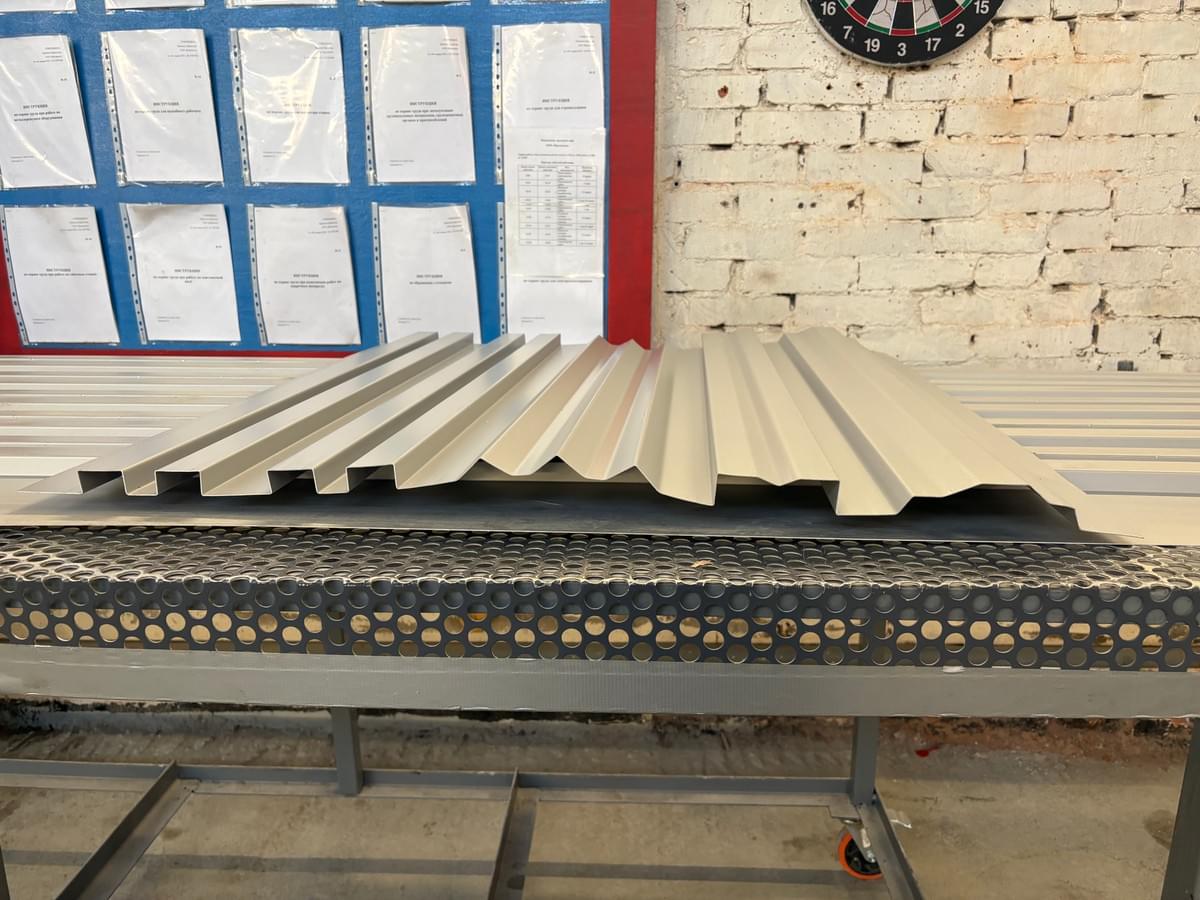
- Commercial roof fascia and rake trim.
- Parapet coping caps with repeated lengths.
- Facade reveal and cladding closure profiles.
- Long gutter and box gutter sections.
- Project trim sets with corner and transition pieces.
Support Is a Quality Feature
Support should be treated as part of profile quality, not only operator comfort. Better support can protect coating, reduce twist, and make inspection more reliable. NIOSH material handling guidance reinforces the value of reducing awkward repeated movement.
Judge Several Finished Pieces
Review a run of finished profiles side by side. Check straightness, flange consistency, corner fit, surface condition, and whether the crew can stage parts without confusion.
Discuss the Longest Work First

Send maximum part length, material finish, profile drawings, and photos of current handling issues through the ARTITECT long profile project review. Long parts reveal the needs that short samples hide.
Conclusion
Long sheet metal folding machines are valuable when they make long architectural profiles easier to support, protect, repeat, and install. For roof and facade shops, that is where capacity becomes real project quality.