
Comparing sheet metal folding machine manufacturers should begin with the profiles a shop must ship. Published specifications provide a starting point, but they do not show how a long coated part moves, repeats, joins, and arrives at the building.
Build a Representative Trial Set
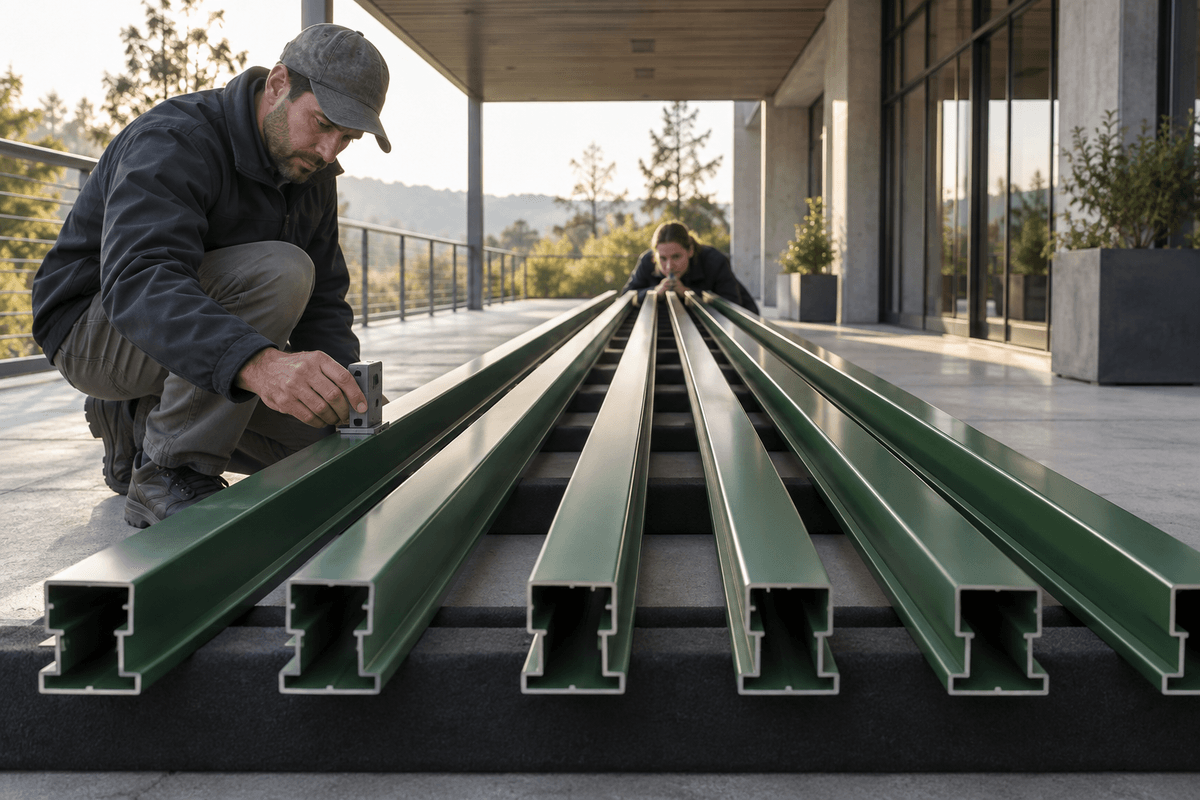
Select profiles that expose different production demands. Include a long fascia, deep gutter, parapet cap, narrow facade trim, and one shape with bends in opposing directions. Record material, thickness, finish, length, quantity, and critical dimensions.
Watch the Complete Workflow
A useful demonstration begins before the first bend and continues through inspection. Observe loading, support, positioning, sequence changes, unloading, and staging. Note where an operator must lift, turn, catch, or protect a long part.
Measure More Than One Sample
- Compare the first, middle, and final parts in a repeated run.
- Measure critical flanges at both ends and through the center.
- Inspect coated faces under broad, even light.
- Assemble corners, laps, closures, and mating profiles.
- Sight along long edges for bow or changing geometry.
Review Controls through Daily Tasks
Ask a regular operator to retrieve a saved profile, change material thickness, adjust a dimension, and create a new part from a drawing. The review should show how production data is named, approved, revised, and reused for repeat orders.
Discuss Service with Specific Scenarios
Instead of asking whether support is available, describe a realistic event: a program question during setup, a replacement component, or remote diagnosis of an unexpected condition. Request a clear explanation of communication channels, documentation, and responsibilities without assuming unverified response times.
Connect Features to Finished Work
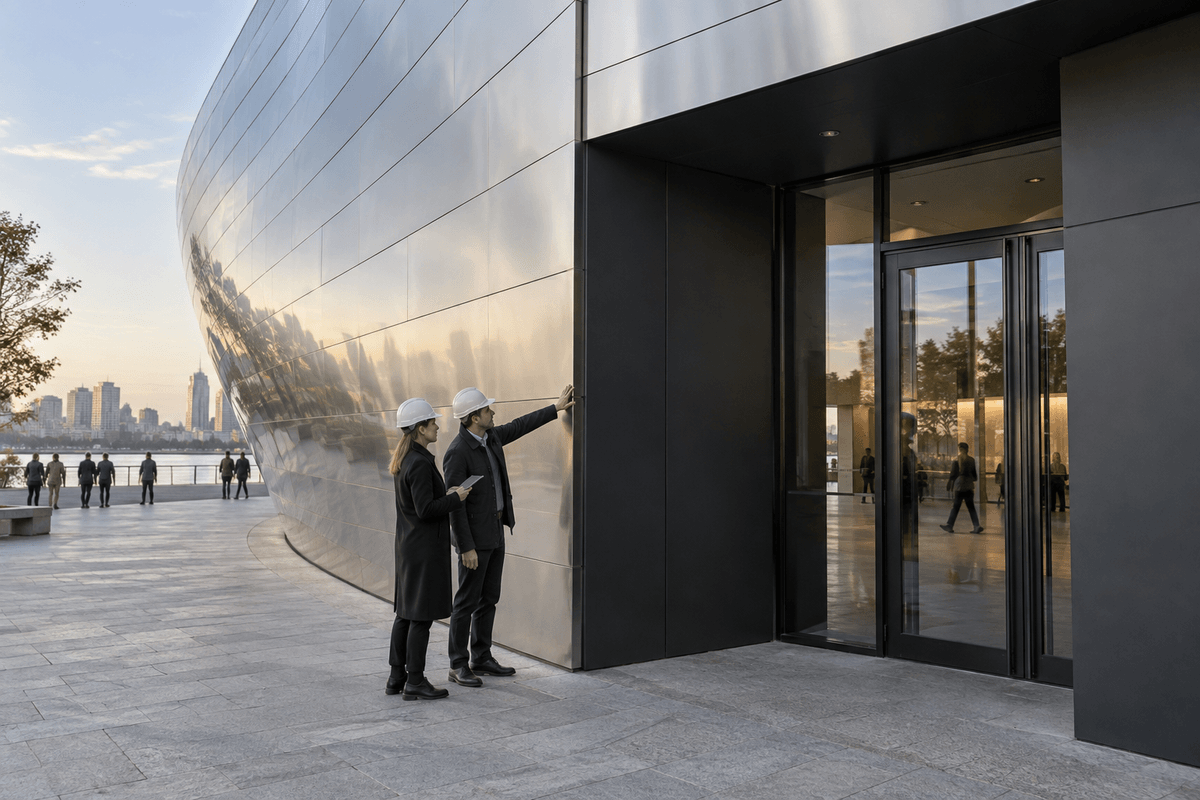
ARTITECT presents automatic double folding functions for production trials, including graphic control, backgauge positioning, material support, thickness adjustment, and double-sided handling. Each function should be evaluated against a real profile rather than an isolated claim.
Prepare a Useful Manufacturer Conversation
Send drawings, material details, output goals, and photographs of current bottlenecks through the ARTITECT profile trial request. A complete sample set makes comparisons more practical and transparent.
Conclusion
The strongest manufacturer evaluation follows the part from drawing to installation. Repeat dimensions, protected finishes, manageable handling, usable controls, and clear support discussions reveal more than headline specifications alone.