
A shop looking for a box gutter machine for sale should start with the gutter detail, not the brochure line. Box gutters need clean folded sides, consistent depth, controlled corners, and protected coated surfaces. A part that looks acceptable on a bench can still create trouble if it does not drain, align, or connect well at the building.
ARTITECT MACHINERY presents its offer through a double folder factory overview and a roof and facade folding function guide. For drainage work, the useful review is how the folding workflow supports long coated profiles, repeated dimensions, and careful handling.
Drainage Profiles Are Geometry Problems
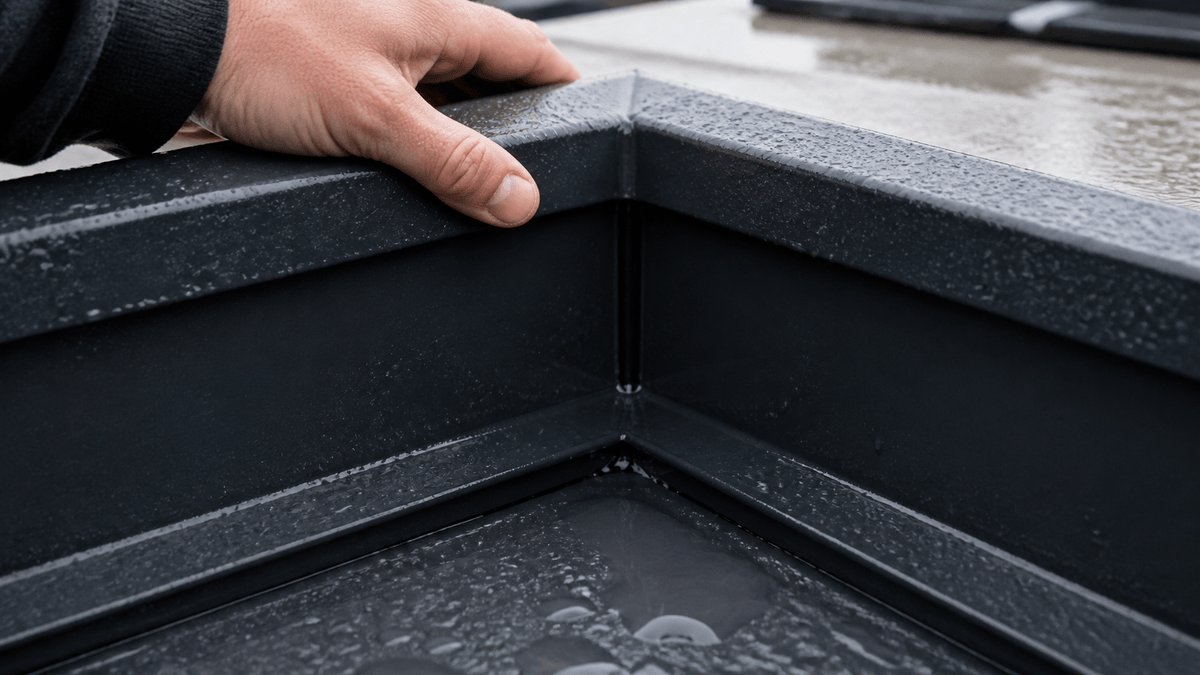
Box gutters combine function and appearance. The part must carry water, sit correctly against the roof edge or parapet, and connect to outlets, corners, and end details. A small dimensional change can affect fall, fit, or joint quality.
That makes profile drawings important. Shops should define inside width, depth, return flanges, hem details, outlet zones, and corner conditions before comparing production options.
What to Test Before Buying
- A long straight gutter profile near real project length.
- An inside corner or mitered transition.
- A coated sample with a visible finished face.
- A repeat run of several sections checked side by side.
- A profile that includes returns or hems used in installation.
Handling Affects Water and Finish
Long gutter sections can twist, sag, or pick up surface marks when support is poor. NIOSH material handling guidance is useful here because repeated movement and difficult lifting affect both workers and parts. A stable folding and staging process helps the drainage profile remain straight and easier to install.
Ask About the Whole Set
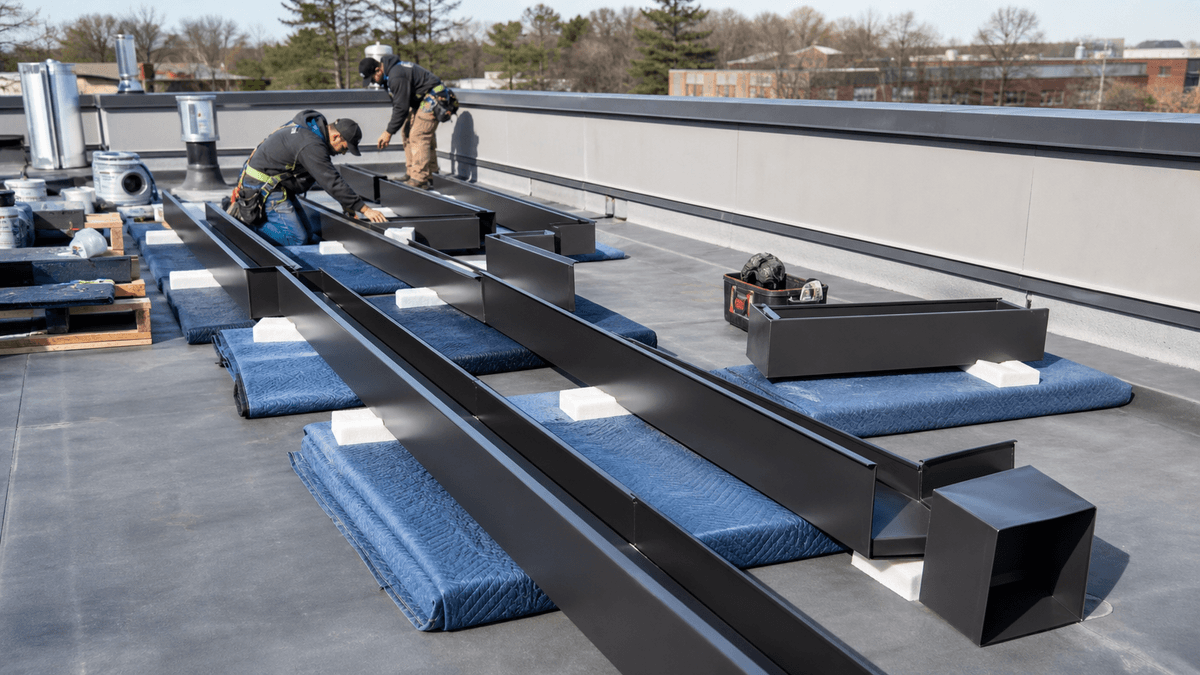
Most gutter work is not one piece. A project may include straight runs, inside corners, outside corners, end caps, drops, and transition pieces. The workflow should keep those parts organized so installers can follow the roof plan without sorting through mixed profiles.
A Better Inquiry for ARTITECT
Send box gutter drawings, material thickness, finish type, longest section length, and photos of current drainage details through the ARTITECT drainage profile consultation form. Specific roof details make it easier to discuss support, bend sequence, and repeatability.
Conclusion
Box gutter production should be judged by installed drainage performance and finished profile quality. Before comparing a box gutter machine for sale, test the profiles that actually carry water, connect at corners, and need to arrive at the jobsite clean.